Common Luteal Phase Symptoms & What to Expect
<p>Common luteal phase symptoms include bloating, breast tenderness, mood swings, fatigue, and mild cramps. These symptoms occur after ovulation and before menstruation, typically lasting 12–14 days…
- Published
- Written by
- Women In Balance Team
- Reading time
- 16 minutes
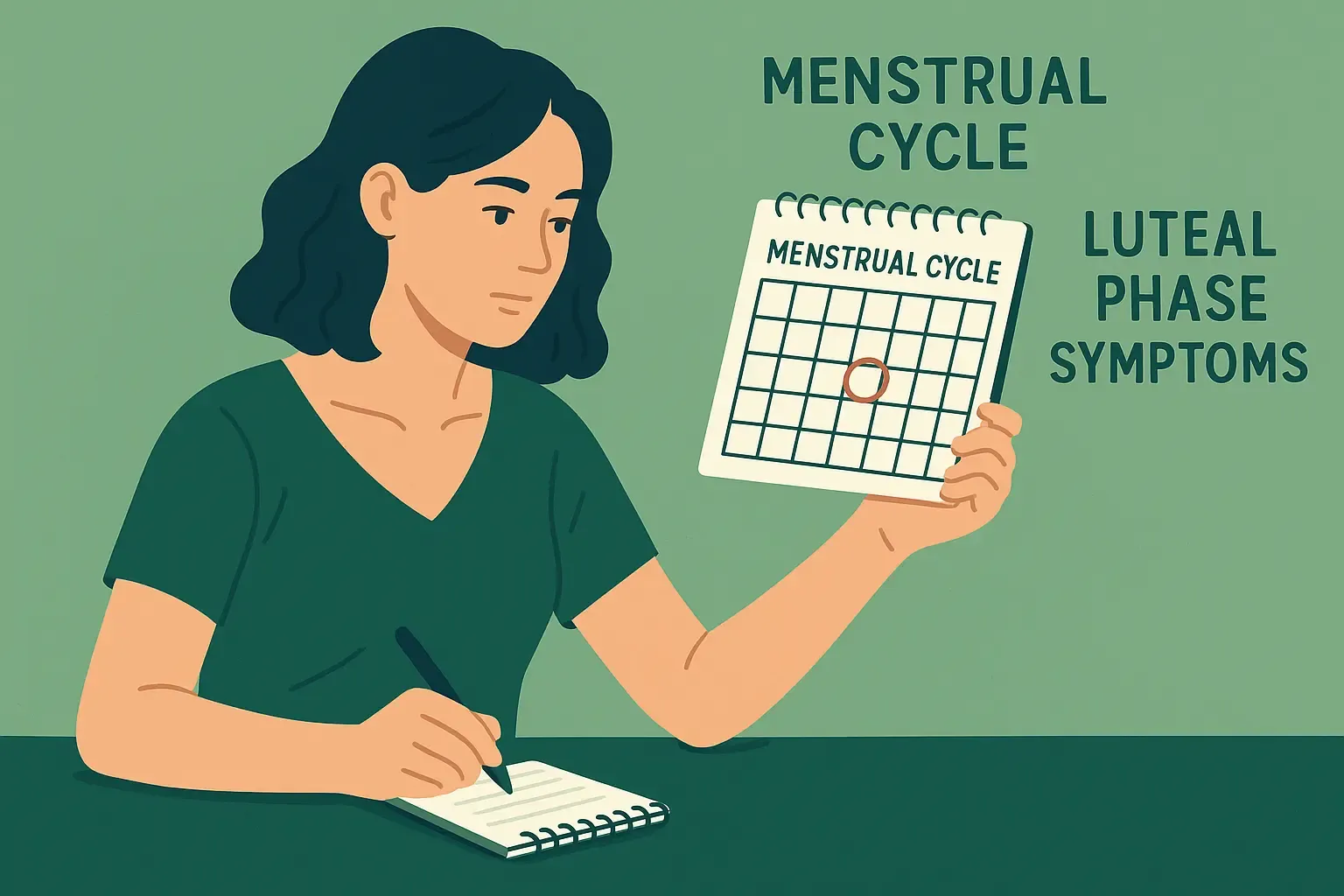
Common luteal phase symptoms include bloating, breast tenderness, mood swings, fatigue, and mild cramps. These symptoms occur after ovulation and before menstruation, typically lasting 12–14 days. Hormonal shifts, especially rising progesterone, drive these changes as the body prepares for a potential pregnancy.
Key Takeaways
- Luteal phase symptoms are caused by natural progesterone fluctuations during the second half of your menstrual cycle and affect most women to varying degrees
- Common symptoms include bloating, mood changes, breast tenderness, and fatigue that typically begin after ovulation and resolve with menstruation
- Tracking your symptoms and implementing targeted lifestyle strategies can help you better understand your cycle and manage discomfort effectively
If you’ve ever noticed predictable changes in your mood, energy, or physical comfort during the second half of your menstrual cycle, you’re experiencing luteal phase symptoms. This natural part of your monthly cycle occurs after ovulation and before your period begins, bringing with it a constellation of physical and emotional changes that can significantly impact your daily life.
Understanding luteal phase symptoms is crucial for every woman who menstruates, as these experiences affect the majority of women in some form. The luteal phase represents a time when your body is preparing for either pregnancy or menstruation, leading to dramatic hormonal shifts that influence everything from your appetite to your sleep patterns. While these symptoms are completely normal, knowing what to expect and how to manage them can transform this challenging time into a more manageable part of your monthly rhythm.
What Is the Luteal Phase?
The luteal phase is the second half of your menstrual cycle, beginning immediately after ovulation and lasting until your period starts. This phase typically spans 12 to 14 days, though it can range from 10 to 16 days in healthy women. Unlike other phases of your cycle, the luteal phase length tends to be more consistent from month to month for each individual woman.
During this time, your body undergoes significant hormonal changes. After ovulation, the follicle that released the egg transforms into a structure called the corpus luteum, which begins producing progesterone. This hormone serves as the primary driver of luteal phase symptoms, as progesterone levels rise dramatically and then fall sharply if pregnancy doesn’t occur.
Key hormonal changes during the luteal phase:
- Progesterone rises from nearly zero to peak levels within a week after ovulation
- Estrogen fluctuates, initially dropping after ovulation, then rising moderately before falling again
- Testosterone levels decline, contributing to mood and energy changes
- Cortisol sensitivity increases, making you more reactive to stress
These hormonal shifts serve important biological purposes. Progesterone prepares the uterine lining for potential pregnancy, affects your metabolism, and influences neurotransmitter activity in your brain. When pregnancy doesn’t occur, progesterone levels plummet, triggering menstruation and often intensifying symptoms in the days leading up to your period.
The luteal phase can be divided into two parts: the early luteal phase (days 1-7 after ovulation) when progesterone is rising, and the late luteal phase (the final week before menstruation) when hormone levels are declining. Many women notice that their symptoms intensify during the late luteal phase, particularly in the 3-7 days before their period begins.
Understanding this timing helps explain why you might feel energetic and optimistic right after ovulation, only to experience increasing discomfort as your period approaches. This pattern is not a personal failing or weakness—it’s your body responding normally to powerful hormonal influences.
Common Luteal Phase Symptoms
Luteal phase symptoms can affect virtually every system in your body, from your digestive system to your emotional well-being. The severity and combination of symptoms vary significantly between women and even between cycles for the same woman.
Physical Symptoms
Bloating and Water Retention:
Progesterone naturally causes your body to retain more water and sodium, leading to abdominal bloating, swollen fingers, and weight fluctuations of 1-5 pounds. This bloating typically peaks in the few days before your period and resolves quickly once menstruation begins.
Breast Tenderness and Swelling:
Rising progesterone levels cause breast tissue to swell and become more sensitive. Your breasts may feel heavy, tender to touch, or uncomfortable in your usual bras. This symptom often appears mid-luteal phase and gradually intensifies until menstruation.
Fatigue and Low Energy:
Progesterone has natural sedating effects, which can leave you feeling more tired than usual. Some women find that tools like ayo light therapy glasses help support energy levels by improving circadian rhythm and combating fatigue.”
Headaches:
Hormonal fluctuations, particularly the drop in estrogen after ovulation, can trigger headaches or migraines in susceptible women. These headaches often occur in predictable patterns related to your cycle.
Digestive Changes:
Progesterone slows intestinal motility, potentially causing constipation, gas, or changes in bowel habits. Some women also experience increased appetite or specific food cravings during this time.
Temperature Changes:
Your basal body temperature rises after ovulation and remains elevated throughout the luteal phase due to progesterone’s thermogenic effects. You might feel warmer than usual or notice changes in your temperature regulation.
Emotional and Cognitive Symptoms
Mood Fluctuations:
The interaction between progesterone and neurotransmitters like serotonin and GABA can cause mood swings, increased emotional sensitivity, or feelings of sadness. These changes often intensify as progesterone levels decline in the late luteal phase.
Irritability and Anxiety:
Many women experience increased irritability, impatience, or anxiety during the luteal phase. Small stressors that wouldn’t normally bother you might feel overwhelming, and you may find yourself more reactive to daily challenges.
Brain Fog and Concentration Issues:
Hormonal changes can affect cognitive function, leading to difficulty concentrating, memory lapses, or mental cloudiness. Tasks that usually feel easy might require more effort and focus.
Changes in Social Preferences:
Some women notice they prefer more solitude during the luteal phase or feel less interested in social activities. This inward turn can be a natural response to hormonal changes and shouldn’t be viewed as antisocial behavior.
Sleep Disturbances:
While progesterone is naturally sedating, paradoxically, many women experience sleep difficulties during the luteal phase. This might include trouble falling asleep, frequent waking, or poor sleep quality.
The key to understanding your luteal phase symptoms lies in recognizing that progesterone affects multiple systems simultaneously. What might feel like unrelated symptoms—such as bloating, mood changes, and fatigue—are actually interconnected responses to the same hormonal shifts.
It’s worth noting that factors like stress can significantly amplify luteal phase symptoms. High cortisol levels can interfere with progesterone’s actions and intensify both physical and emotional symptoms. This is why stress management becomes particularly important during this phase of your cycle.
PMS vs. Luteal Phase Symptoms
While all women who ovulate experience some degree of luteal phase changes, not everyone has PMS (premenstrual syndrome). Understanding the distinction between normal luteal phase symptoms and PMS can help you determine whether your experiences fall within the typical range or warrant additional attention.
Normal Luteal Phase Symptoms:
- Mild to moderate discomfort that doesn’t significantly interfere with daily activities
- Symptoms that are predictable and manageable with basic self-care
- Changes that resolve within a day or two of menstruation beginning
- Experiences that don’t severely impact relationships or work performance
PMS Characteristics:
- Symptoms severe enough to interfere with work, relationships, or daily functioning
- Emotional changes that feel overwhelming or out of control
- Physical symptoms that significantly impact quality of life
- Patterns that occur for at least three consecutive cycles
- Symptoms that markedly improve within a few days of menstruation starting
PMDD (Premenstrual Dysphoric Disorder) is an even more severe form affecting 3-8% of women, characterized by debilitating mood symptoms that significantly impair functioning. PMDD requires professional medical evaluation and treatment.
Common PMS symptoms include:
- Severe mood swings or persistent sadness
- Intense irritability or anger
- Overwhelming anxiety or tension
- Severe fatigue or lack of energy
- Significant appetite changes or specific food cravings
- Sleep disturbances that affect daily functioning
- Physical symptoms like severe breast tenderness or headaches
The distinction often lies not in the type of symptoms but in their severity and impact. For example, mild breast tenderness that requires a softer bra is a normal luteal phase symptom, while breast pain that prevents you from exercising or sleeping comfortably might indicate PMS.
Factors that can worsen luteal phase symptoms:
- High stress levels
- Poor sleep quality
- Inadequate nutrition
- Lack of regular exercise
- Excessive caffeine or alcohol consumption
- Underlying health conditions
- Certain medications
If your luteal phase symptoms significantly impact your life or seem to be worsening over time, it’s worth discussing with a healthcare provider. Many effective treatments exist for PMS and PMDD, and you don’t have to suffer through severe symptoms simply because they’re “normal.”
How to Track Luteal Phase Symptoms
Tracking your luteal phase symptoms is one of the most powerful tools for understanding your cycle and identifying patterns that can guide your self-care strategies. Consistent tracking helps you anticipate challenging days, validate your experiences, and recognize when symptoms might be outside the normal range.
What to Track
Physical Symptoms:
- Energy levels (rate 1-10 daily)
- Sleep quality and duration
- Appetite changes and food cravings
- Digestive symptoms (bloating, constipation)
- Breast tenderness or swelling
- Headaches or other pain
- Weight fluctuations
Emotional and Cognitive Symptoms:
- Mood (happy, sad, irritable, anxious)
- Stress levels and stress tolerance
- Concentration and mental clarity
- Social preferences and energy
- Motivation for activities and exercise
Cycle Information:
- Menstrual flow (heavy, moderate, light)
- Cycle length and ovulation timing
- Any spotting or irregular bleeding
- Ovulation signs (cervical mucus, temperature)
Tracking Methods
Smartphone Apps:
Popular period tracking apps like Clue, Flo, or Ovia allow you to log daily symptoms and identify patterns over time. Look for apps that offer detailed symptom tracking rather than just period prediction.
Paper Journals:
Some women prefer the flexibility of paper tracking, which allows for more detailed notes about daily experiences, stress levels, and lifestyle factors that might influence symptoms.
Simple Rating Systems:
Use a 1-10 scale for symptoms like mood, energy, and physical comfort. This numerical approach makes it easier to spot patterns and trends over multiple cycles.
Basal Body Temperature Tracking:
If you’re already tracking your temperature for fertility awareness, this data can help confirm ovulation timing and luteal phase length.
Making Tracking Useful
Be Consistent:
Track symptoms daily, even on days when you feel fine. This helps establish your baseline and makes patterns more apparent.
Include Context:
Note major stressors, changes in routine, travel, illness, or medication changes that might influence your symptoms.
Review Regularly:
Look back at your tracking data monthly to identify patterns. You might notice that certain symptoms always appear at specific cycle days or that external factors consistently worsen your experience.
Share with Healthcare Providers:
If you’re seeking medical help for cycle-related concerns, your tracking data provides valuable objective information that can guide diagnosis and treatment.
Track for at least three cycles to establish reliable patterns, as individual cycles can vary due to stress, illness, or other factors. Once you understand your patterns, you can begin to anticipate challenging days and implement targeted strategies proactively.
Tips for Managing Luteal Phase Discomfort
Managing luteal phase symptoms effectively requires a multifaceted approach that addresses both the physical and emotional aspects of hormonal changes. The key is implementing strategies before symptoms become severe, using your tracking data to anticipate and prepare for more challenging days.
Lifestyle Adjustments
Dietary Modifications:
Your nutrition needs change during the luteal phase due to increased metabolic demands and hormonal influences on appetite and digestion.
- Reduce sodium intake to minimize water retention and bloating
- Limit refined sugars and processed foods that can worsen mood swings and energy crashes
- Increase complex carbohydrates like whole grains, which support serotonin production and mood stability
- Focus on anti-inflammatory foods including leafy greens, fatty fish, and colorful vegetables
- Stay well-hydrated to support kidney function and reduce bloating
- Consider smaller, more frequent meals to maintain stable blood sugar levels
Exercise and Movement:
While you might feel less motivated to exercise during the luteal phase, appropriate movement can significantly improve symptoms.
- Gentle cardio like walking or swimming can reduce bloating and improve mood
- Yoga or stretching helps with physical tension and stress management
- Strength training (if energy permits) can boost mood through endorphin release
- Listen to your body and choose lower-intensity activities when fatigue is high
- Avoid overexercising, which can increase stress hormones and worsen symptoms
Sleep Optimization:
Quality sleep becomes even more crucial during the luteal phase when your body is working harder to maintain hormonal balance.
- Maintain consistent sleep and wake times to support circadian rhythm regulation
- Create a cool, dark sleeping environment to accommodate increased body temperature
- Limit screen time before bed as blue light can interfere with melatonin production
- Consider earlier bedtimes when fatigue increases during the luteal phase
- Use relaxation techniques like deep breathing or progressive muscle relaxation
Natural Remedies
Nutritional Supplements:
Several supplements have research support for reducing luteal phase symptoms, though you should consult with a healthcare provider before starting any new supplements.
Magnesium (200-400mg daily):
- Helps reduce water retention and bloating
- May improve mood and reduce anxiety
- Can alleviate muscle tension and cramping
- Supports better sleep quality
Vitamin B6 (50-100mg daily):
- May reduce mood symptoms and irritability
- Supports neurotransmitter production
- Can help with water retention
- Important for hormone metabolism
Omega-3 fatty acids (1-2g daily):
- Have anti-inflammatory effects
- May improve mood and reduce anxiety
- Support brain function and concentration
- Can help with breast tenderness
Calcium (1000-1200mg daily):
- May reduce physical and emotional PMS symptoms
- Supports bone health during hormonal fluctuations
- Can help with muscle tension and cramping
Herbal Support:
Several herbs have traditional use and some research support for luteal phase symptoms:
- Chamomile tea for relaxation and digestive comfort
- Raspberry leaf tea for uterine support and mineral content
- Saw palmetto for hormonal balance support
- Maca for energy and hormonal support
Physical Comfort Measures:
- Warm baths with Epsom salts for muscle relaxation and magnesium absorption
- Heating pads for abdominal or back discomfort
- Gentle massage to improve circulation and reduce tension
- Comfortable, supportive clothing especially well-fitting bras during breast tenderness
Stress Management
Since stress can significantly amplify luteal phase symptoms, effective stress management becomes particularly important during this time:
Mindfulness and Meditation:
- Practice daily meditation, even for just 5-10 minutes
- Use mindfulness techniques during stressful moments
- Try body scan meditations to increase awareness of physical tension
Breathing Exercises:
- Deep diaphragmatic breathing to activate the parasympathetic nervous system
- 4-7-8 breathing pattern for anxiety management
- Regular breathing breaks throughout stressful days
Time Management:
- Plan lighter schedules during anticipated difficult days
- Delegate tasks when possible
- Practice saying no to non-essential commitments
- Build in buffer time for daily activities
It’s important to remember that lifestyle factors like smoking can significantly impact your experience. Avoid cigarettes, as they can worsen hormonal imbalances and intensify luteal phase symptoms.
Medical Interventions
When lifestyle modifications aren’t sufficient, several medical options can help manage severe luteal phase symptoms:
Over-the-Counter Pain Relief:
- NSAIDs like ibuprofen for pain and inflammation
- Acetaminophen for headaches and general discomfort
- Diuretics (with medical supervision) for severe water retention
Hormonal Birth Control:
- Can help regulate hormone fluctuations
- May reduce or eliminate luteal phase symptoms
- Requires medical consultation and monitoring
- Various options available (pills, patches, rings, IUDs)
Prescription Medications:
- Antidepressants (particularly SSRIs) for severe mood symptoms
- Anti-anxiety medications for severe anxiety
- Specialized treatments for PMDD
Always work with a healthcare provider to determine the best medical approach for your specific situation and symptom severity.
When Should You Be Concerned?
While luteal phase symptoms are normal, certain signs indicate that you should seek medical evaluation. Understanding when symptoms cross the line from normal to problematic can help you get appropriate care and avoid unnecessary suffering.
Red Flags Requiring Medical Attention
Severe Mood Changes:
- Thoughts of self-harm or suicide
- Rage or anger that feels uncontrollable
- Depression that significantly impairs daily functioning
- Anxiety that prevents normal activities
- Mood changes that don’t improve with menstruation
Debilitating Physical Symptoms:
- Pain severe enough to miss work or school
- Vomiting or inability to keep food down
- Severe headaches or migraines that don’t respond to treatment
- Fainting or dizziness that affects safety
- Symptoms that worsen month after month
Cycle Irregularities:
- Luteal phase shorter than 10 days consistently
- Luteal phase longer than 16 days
- Irregular ovulation or very long cycles
- Heavy bleeding or unusual spotting
- Complete absence of luteal phase symptoms (may indicate lack of ovulation)
Impact on Daily Life:
- Inability to maintain work or school performance
- Relationship problems directly related to cycle symptoms
- Social isolation during the luteal phase
- Complete inability to function for multiple days each cycle
When to Consider Perimenopause
Women in their late 30s and 40s who notice significant changes in their luteal phase symptoms might be experiencing early perimenopause:
- Symptoms becoming much more severe
- Changes in cycle length or luteal phase duration
- New symptoms that weren’t present before
- Hot flashes or night sweats during the luteal phase
Underlying Conditions to Consider
Thyroid Disorders:
Can mimic or worsen luteal phase symptoms and affect cycle regularity
PCOS (Polycystic Ovary Syndrome):
May cause irregular ovulation and altered luteal phase symptoms
Endometriosis:
Can cause severe pain and may worsen during certain cycle phases
Hormone Imbalance:
Various hormonal conditions can affect cycle symptoms and require medical evaluation
Preparing for Medical Appointments
When seeking medical care for luteal phase symptoms:
- Bring at least three months of symptom tracking data
- List all medications and supplements you’re taking
- Note family history of mood disorders or reproductive issues
- Be specific about how symptoms impact your daily life
- Ask about treatment options and what to expect
Remember that losing sleep over menopause or severe cycle symptoms shouldn’t be dismissed as “just part of being a woman.” Effective treatments exist for most luteal phase disorders, and seeking help is a sign of self-advocacy, not weakness.
Different cultures have varying approaches to menstrual health, and understanding menopause around the world can provide perspective on how reproductive health is viewed globally. However, regardless of cultural background, severe symptoms that impair your quality of life deserve medical attention.
Conclusion
Understanding luteal phase symptoms empowers you to work with your body’s natural rhythms rather than against them. These monthly changes, while sometimes challenging, are a normal part of reproductive health and can be effectively managed with the right knowledge and strategies.
The key to successfully navigating luteal phase symptoms lies in preparation and self-awareness. By tracking your patterns, implementing targeted lifestyle strategies, and knowing when to seek professional help, you can transform this potentially difficult time into a manageable part of your monthly cycle.
Remember that every woman’s experience is unique. What works for your friend or sister may need adjustment for your specific needs and symptom pattern. Be patient with yourself as you experiment with different management strategies, and don’t hesitate to seek professional guidance if your symptoms significantly impact your quality of life.
Start taking control of your luteal phase today by beginning a simple symptom tracking routine. Even basic daily notes about your mood, energy, and physical comfort can provide valuable insights within just a few cycles. This information becomes the foundation for developing personalized strategies that honor your body’s needs and support your overall well-being.
Most importantly, validate your experiences. Luteal phase symptoms are real, they’re significant, and they deserve attention and care. By understanding what’s happening in your body and implementing appropriate support strategies, you can navigate this phase with greater comfort, confidence, and self-compassion.
Frequently Asked Questions
Can I shorten my luteal phase naturally?
The luteal phase length is primarily determined by how long the corpus luteum produces progesterone, which is fairly consistent for each individual woman. While you cannot significantly shorten a normal luteal phase through natural methods, some lifestyle factors may influence its length slightly. Extreme stress, significant weight loss, or excessive exercise can sometimes shorten the luteal phase, but this is usually not desirable as it may indicate inadequate progesterone production.
A luteal phase shorter than 10 days may indicate luteal phase defect, which can affect fertility and overall hormonal health. If you’re concerned about your luteal phase length, focus on supporting overall hormonal health through good nutrition, adequate sleep, stress management, and regular but not excessive exercise. If you consistently have a very short or very long luteal phase, consult with a healthcare provider or reproductive endocrinologist for evaluation.
Can you get pregnant during the luteal phase?
Technically, new ovulation doesn’t occur during the luteal phase, so you cannot get pregnant from intercourse that happens after the luteal phase has begun. However, sperm can survive in the reproductive tract for up to 5 days, so if you had intercourse near the time of ovulation and the luteal phase just began, pregnancy is still possible from that earlier intercourse.
Additionally, some women may experience irregular cycles with late ovulation, making it difficult to precisely identify when the luteal phase begins. For this reason, if you’re trying to avoid pregnancy, it’s important to use contraception throughout your cycle unless you’re very experienced with fertility awareness methods and can accurately identify your fertile window. If you’re trying to conceive, the most fertile time is the few days leading up to and including ovulation, which occurs just before the luteal phase begins.
Why do I feel awful during my luteal phase?
Feeling awful during the luteal phase is unfortunately common and results from the dramatic hormonal changes occurring in your body. Progesterone levels rise significantly after ovulation, affecting multiple body systems including your brain chemistry, digestive system, and fluid balance. As progesterone interacts with neurotransmitters like serotonin and GABA, it can cause mood changes, anxiety, and cognitive symptoms.
The hormone also affects your metabolism, leading to fatigue, food cravings, and digestive changes. Additionally, progesterone’s effects on fluid retention can cause bloating and physical discomfort. The severity of symptoms often increases in the late luteal phase when hormone levels are declining rapidly. While these symptoms are normal, they don’t have to be debilitating. Implementing targeted lifestyle strategies, stress management, and appropriate supplementation can significantly improve how you feel. If your symptoms are severely impacting your life, consider working with a healthcare provider to explore additional treatment options.