Progesterone Suppository: Uses, Benefits, and Risks
<p>Progesterone suppositories support pregnancy by thickening the uterine lining and reducing the risk of miscarriage. Benefits include improved fertility and hormone balance. Risks involve side…
- Published
- Written by
- Women In Balance Team
- Reading time
- 8 minutes
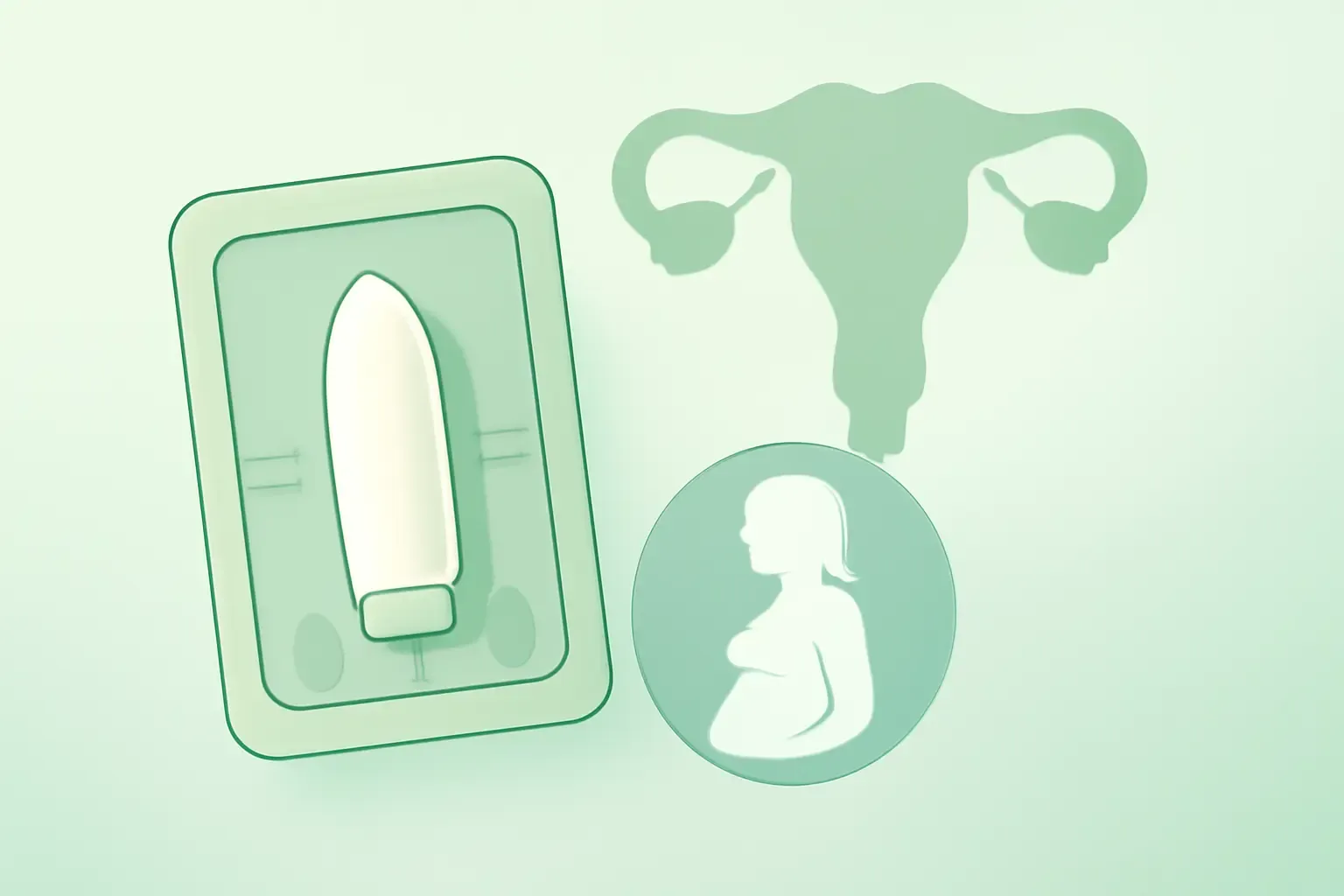
Progesterone suppositories support pregnancy by thickening the uterine lining and reducing the risk of miscarriage. Benefits include improved fertility and hormone balance. Risks involve side effects like vaginal irritation, dizziness, and nausea. They are typically prescribed during IVF or for luteal phase defects under medical supervision.
Key Takeaways
- Progesterone suppositories deliver hormone therapy directly to the reproductive system, bypassing digestive system breakdown
- They’re primarily prescribed for fertility treatments, pregnancy support, and hormone therapy
- These suppositories offer superior absorption compared to oral forms but may cause mild side effects like discharge or irritation
Progesterone plays a crucial role in reproductive health, acting as the foundation for successful pregnancies and balanced menstrual cycles. When your body doesn’t produce enough of this essential hormone naturally, progesterone suppositories offer a targeted solution that many healthcare providers recommend.
These small, cone-shaped medications represent one of the most effective ways to deliver progesterone directly where it’s needed most. Whether you’re undergoing fertility treatments, managing pregnancy complications, or addressing hormonal imbalances, understanding how progesterone suppositories work can help you make informed decisions about your reproductive health journey.
What Is a Progesterone Suppository?
A progesterone suppository is a solid, cone-shaped medication containing the hormone progesterone that’s designed for insertion into the vagina or rectum. Once inserted, the suppository dissolves or melts at body temperature, releasing progesterone for absorption directly into your bloodstream.
Unlike oral medications that must pass through your digestive system, progesterone suppositories deliver the hormone through vaginal or rectal tissue. This route offers advantages including lack of local pain, avoidance of first-pass hepatic metabolism, rapid absorption, high bioavailability and local endometrial effect.
The suppository typically contains natural progesterone – the same molecular structure as the hormone your body produces naturally. This bioidentical approach helps minimize side effects while maximizing therapeutic benefits.
The progesterone is absorbed slowly from the vagina to replace or add to normal progesterone levels in the blood, providing steady hormone support throughout the treatment period.
Why Are Progesterone Suppositories Prescribed?
Healthcare providers prescribe progesterone suppositories when your body needs additional progesterone support. Progesterone works as a part of ART by increase embryo implantation and decrease the risk of miscarriage. Once an embryo is implanted, progesterone acts to maintain the pregnancy.
The dosage and duration vary significantly based on your specific medical needs and treatment goals. Your doctor will create a personalized protocol based on your individual circumstances.
Hormone Therapy and Luteal Phase Support
Progesterone is the hormone secreted each month by the egg capsule (called the corpus luteum) after ovulation which is responsible for preparing the lining of the uterus for pregnancy or the menstrual period. The luteal phase occurs after ovulation and before menstruation begins.
Progesterone suppositories help women experiencing short luteal phases (less than 10-12 days), luteal phase defects affecting fertility, irregular menstrual cycles, and premenstrual syndrome symptoms.
Research has found that suppositories help women reach progesterone levels similar to those of women with normal luteal phases.
Supporting Fertility Treatments (e.g., IVF)
In assisted reproductive technology, progesterone suppositories play a vital role in treatment success. Endometrin (progesterone) helps ready the uterus for embryo transfer and pregnancy.
During IVF and other fertility treatments, the suppositories thicken the uterine lining to create optimal conditions for implantation, support embryo attachment by maintaining proper endometrial receptivity, and continue hormone support through early pregnancy until the placenta takes over progesterone production.
It takes about 10 weeks after an embryo has implanted for the placenta to start nourishing your baby. Until that time, the hormone progesterone helps your body support the pregnancy.
Preventing Miscarriage or Supporting Pregnancy
Low progesterone levels can significantly increase miscarriage risk, particularly in early pregnancy. Recent research found progesterone to improve the live birth rate in women experiencing recurrent miscarriages by as much as 15%.
Progesterone suppositories are often prescribed for women who have a history of recurrent pregnancy loss, unexplained early miscarriages, low progesterone levels during pregnancy, or threatened miscarriage with vaginal bleeding.
Vaginal progesterone is recommended for women with a history of recurrent pregnancy loss due to luteal phase deficiency. Evidence shows it significantly improves pregnancy outcomes when initiated early.
How to Use Progesterone Suppositories
Proper administration ensures maximum effectiveness and minimal side effects. Insert this medicine directly into the vagina using only the applicator provided. Use a disposable applicator only once and then throw it away.
Step-by-step insertion process:
- Wash your hands thoroughly before handling the suppository
- Remove the suppository from packaging just before use – avoid handling the suppository too long or it will begin to melt in your hand
- Choose a comfortable position – standing with one foot elevated, lying down, or squatting
- Insert gently into the vagina as far as comfortable, similar to tampon insertion
- Remain lying down for 10-15 minutes if possible to minimize leakage
Timing and dosage guidelines: Endometrin (progesterone) is inserted into the vagina 2 or 3 times a day, unless your prescriber advises you to take it a different way. Many doctors recommend evening administration to minimize daytime leakage. It is best to wait for at least half an hour before going pee. This will give the progesterone enough time to get absorbed into your bloodstream.
Storage requirements: Progesterone vaginal suppositories should be stored in a refrigerator and kept in original packaging until use. Follow specific storage instructions provided with your medication.
You might want to wear a panty liner to prevent the discharge from getting onto your underwear due to normal melting and leakage.
Benefits of Progesterone Suppositories
Progesterone suppositories offer several advantages over other delivery methods:
Superior absorption: When you take progesterone in pill form, a lot of it is neutralized. This is because it has to go through the metabolic processes of your liver and intestines. Suppositories bypass this first-pass metabolism.
Fewer gastrointestinal side effects: Direct vaginal absorption eliminates stomach upset, nausea, and digestive issues common with oral progesterone.
Steady hormone release: The suppository provides consistent progesterone levels throughout the day, avoiding peaks and valleys associated with other methods.
Pain-free administration: Another advantage of vaginal progesterone is that it involves zero pain. Other forms of administration like intramuscular (IM) injection, may cause pain or irritation.
Local effectiveness: The transvaginal route has advantages, such as lack of local pain, avoidance of first-pass hepatic metabolism, rapid absorption, high bioavailability and local endometrial effect.
Patient preference: According to a study of over 400 women, vaginal progesterone proved to be just as effective as IM. It was also considered more tolerable for patients.
Possible Side Effects and Risks
While generally well-tolerated, progesterone suppositories can cause side effects. An occasional woman will complain of irritation or unpleasant discharge with PVS, but the great majority of women have no problems at all.
Common side effects include spotting, breast tenderness, fatigue, vaginal discharge or irritation, mood swings, pelvic pain, stomach pain, nausea, headaches and dizziness, mild vaginal irritation or burning. Suppositories are messy and sometimes give vaginal irritation, itching, burning, or yeast infection.
Serious but rare risks: Vaginal progesterone can increase the risk of developing a blood clot that could be dangerous and even fatal. Seek immediate medical attention if you experience chest pain or difficulty breathing, severe headaches or vision changes, leg pain, swelling, or warmth, or severe mood changes or depression.
Important safety considerations: Vaginal progesterone should not be used if you have or have had blood clots, including a stroke, heart attack, blood clot in the lungs (pulmonary embolism) or deep venous thrombosis (DVT). There are no known serious side effects from PVS and there is no known risk to the baby during pregnancy.
Progesterone Suppository vs Other Delivery Methods
Understanding the differences between progesterone delivery methods helps you make informed treatment decisions with your healthcare provider.
Suppositories vs Oral Progesterone
Absorption efficiency: When you take progesterone orally, the absorption is inefficient. This is because the liver converts the progesterone (first-pass effect) into its relatively weak metabolites.
Effectiveness: At least two studies have shown significantly lower success rates in IVF patients that were on oral progesterone vs. intramuscular progesterone.
Side effects: The oral progesterone is well tolerated with side-effects in some women of dizziness or sleepiness, while suppositories primarily cause local effects.
Suppositories vs Injections
Convenience: Vaginal progesterone was considered substantially more convenient to administer compared to daily injections.
Pain and discomfort: Administration of intramuscular progesterone was much more painful and was much more likely to cause irritation at the administration site.
Effectiveness: Injection of progesterone produces the highest blood levels, but IM progesterone injections may be associated with more discomfort during administration; however, this method typically has been shown to be superior to vaginal progesterone when used for frozen embryo transfer.
Suppositories vs Progesterone Gels
Application frequency: Endometrin is generally inserted two or three times a day, whereas Crinone is inserted just one or two times a day.
Formulation differences: Suppositories are solid tablets that dissolve, while gels are pre-measured doses applied via applicator.
Patient preference varies based on individual tolerance and lifestyle factors.
Your healthcare provider will recommend the most appropriate method based on your medical history, treatment goals, and personal preferences.
Conclusion
Progesterone suppositories represent a highly effective, well-tolerated method for delivering essential hormone support during fertility treatments, pregnancy, and hormone therapy. By bypassing digestive system metabolism, these medications provide superior bioavailability with fewer systemic side effects compared to oral alternatives.
Whether you’re undergoing IVF, managing recurrent pregnancy loss, or addressing luteal phase defects, progesterone suppositories offer a trusted solution with decades of clinical success. The convenience of self-administration combined with excellent safety profiles makes them a preferred choice for many patients and healthcare providers.
Bottom Line: Progesterone suppositories provide targeted, effective hormone support with minimal side effects when used under proper medical supervision. Consult your fertility specialist or healthcare provider to determine if this treatment option aligns with your reproductive health goals.
Frequently Asked Questions
How long does a progesterone suppository take to work?
Progesterone serum concentration reached maximal levels within 2 or 3 h after the administration. You may begin experiencing therapeutic effects within hours of insertion.
How long do you have to lay down after a progesterone suppository?
Lay down on your back for about 10 – 15 minutes to reduce leakage. This brief rest period helps maximize absorption and minimize discharge.
How long should you use progesterone suppository?
Progesterone vaginal is sometimes given for only 6 to 12 days at a time. When used as part of fertility treatment, progesterone vaginal may be given for up to 12 weeks into a pregnancy. Always follow your doctor’s specific instructions.
Are progesterone suppositories available over the counter?
No, progesterone suppositories require a prescription from a healthcare provider. While some progesterone creams are available over-the-counter, suppositories contain higher concentrations and require medical supervision for safe, effective use.