6 Key Signs of Ovulation After Stopping the Pill
<p>Six key signs of ovulation after stopping the pill include cervical mucus becoming clear and stretchy, a slight rise in basal body temperature, mild pelvic or abdominal pain (mittelschmerz)…
- Published
- Written by
- Women In Balance Team
- Reading time
- 9 minutes
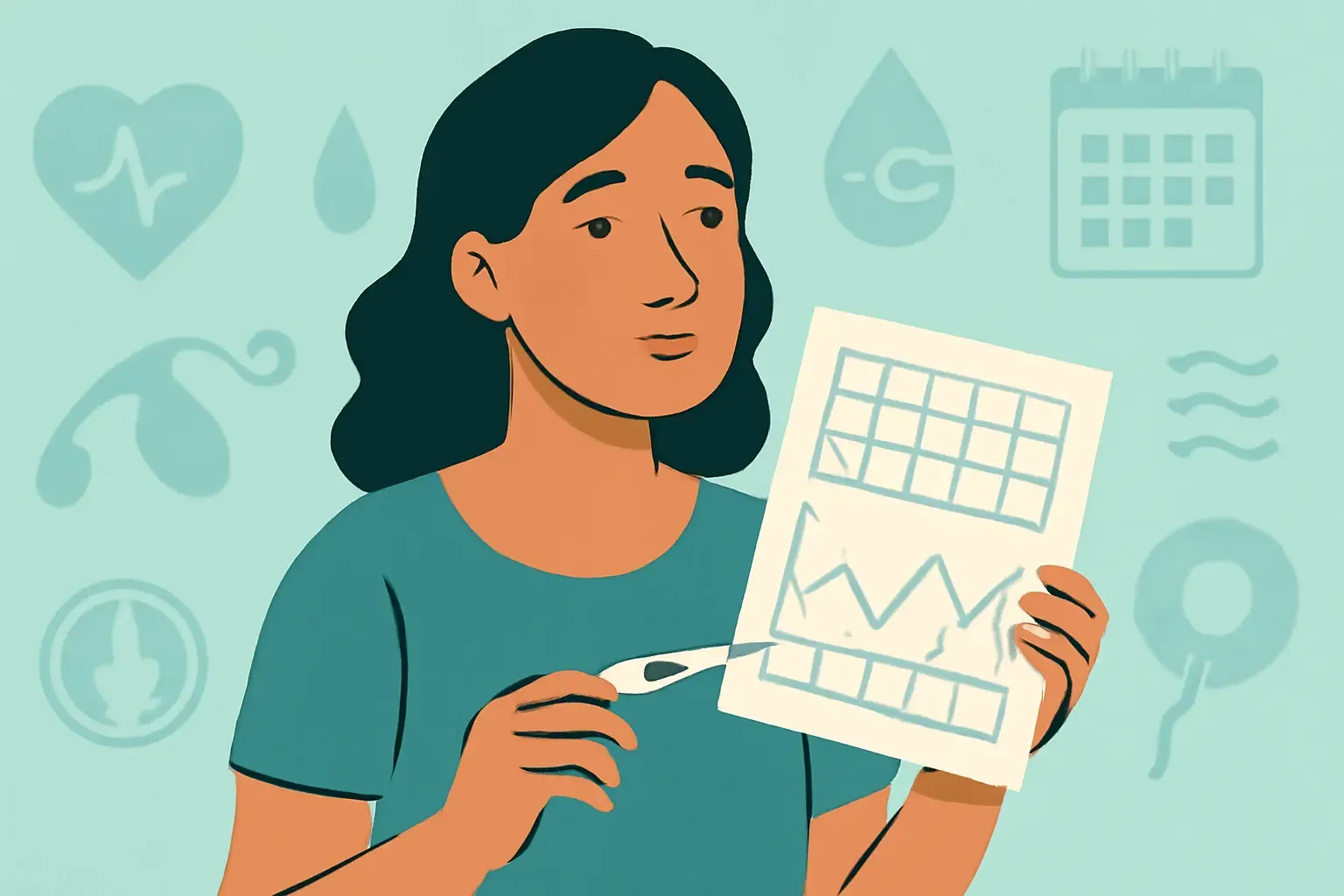
Six key signs of ovulation after stopping the pill include cervical mucus becoming clear and stretchy, a slight rise in basal body temperature, mild pelvic or abdominal pain (mittelschmerz), increased libido, breast tenderness, and heightened sense of smell. These signs indicate hormonal rebalancing and the return of the ovulatory cycle.
Key Takeaways
- Your body may take 2-6 weeks to resume ovulation after stopping the pill, though some women may need a few months
- Six key signs can help you identify ovulation: cervical mucus changes, basal body temperature shifts, ovulation pain, increased libido, breast tenderness, and positive ovulation tests
- Tracking multiple signs together provides the most accurate indication of ovulation, especially when cycles are still irregular
You’ve made the decision to stop taking birth control pills, and now you’re wondering when—and how—you’ll know if you’re ovulating again. Whether you’re trying to conceive or simply want to understand your natural cycle, recognizing the signs of ovulation after stopping the pill is an important step in reconnecting with your body’s rhythm.
It’s completely normal to feel uncertain during this transition. Your body has been accustomed to synthetic hormones for months or years, and now it needs time to remember how to produce its own hormonal signals. The good news is that most women do resume ovulation relatively quickly, and there are clear signs you can watch for.
In this article, we’ll explore how stopping the pill affects your cycle, the six key signs that indicate ovulation is returning, realistic timelines for fertility restoration, and practical tips to support your body during this transition.
How Stopping the Pill Affects Your Cycle
Birth control pills work by delivering synthetic hormones—typically a combination of estrogen and progestin—that prevent your ovaries from releasing eggs. These hormones also thicken cervical mucus and thin the uterine lining, creating multiple barriers to pregnancy.
When you stop taking the pill, your body begins the process of resuming its natural hormone production. Your pituitary gland starts releasing follicle-stimulating hormone (FSH) and luteinizing hormone (LH), which signal your ovaries to begin maturing and releasing eggs again.
According to the American College of Obstetricians and Gynecologists (ACOG), this hormonal rebalancing doesn’t happen overnight. Your first few cycles may be irregular—periods might come earlier or later than expected, be lighter or heavier than usual, or vary significantly in length from month to month.
Some women experience what’s often called “post-pill amenorrhea,” where periods don’t return immediately. While this can be concerning, it’s usually temporary and doesn’t indicate long-term fertility problems.
Common Signs of Ovulation After Stopping the Pill
As your body adjusts to producing its own hormones again, ovulation signs may be subtle at first. Some women notice clear indicators right away, while others find their signals become more obvious over several cycles. Remember that every woman’s experience is unique, and using multiple signs together often provides the most reliable indication of ovulation.
Changes in Cervical Mucus
One of the most reliable signs of approaching ovulation is a change in your cervical mucus. Throughout your cycle, hormonal fluctuations cause this mucus to change in consistency and amount.
In the days leading up to ovulation, rising estrogen levels cause cervical mucus to become increasingly clear, slippery, and stretchy—often described as resembling raw egg whites. This fertile-quality mucus helps sperm travel through the cervix and survive in the reproductive tract.
After stopping the pill, you may notice these mucus changes become more pronounced as your natural hormone levels stabilize. Many women find it helpful to check their cervical mucus daily, either by observing what they see when wiping or by gently checking with clean fingers.
Basal Body Temperature (BBT) Shift
Your basal body temperature—the lowest temperature your body reaches during rest—provides another window into your ovulation patterns. After ovulation occurs, progesterone causes your BBT to rise by about 0.4 to 1.0 degrees Fahrenheit, where it remains elevated until your next period.
BBT tracking can be especially valuable after stopping the pill because it provides objective data about whether ovulation is occurring, even when cycles are irregular. To track effectively, take your temperature at the same time each morning before getting out of bed, using a basal body thermometer that measures to the tenth of a degree.
Keep in mind that factors like illness, stress, alcohol consumption, or poor sleep can affect your temperature readings. Look for a sustained temperature rise over at least three days to confirm ovulation has occurred.
Ovulation Pain (Mittelschmerz)
Approximately 20% of women experience mittelschmerz—a German word meaning “middle pain”—around the time of ovulation. This one-sided lower abdominal pain typically occurs as the ovarian follicle stretches and ruptures to release an egg.
The pain can range from a mild ache to a sharp, cramping sensation and usually lasts anywhere from a few minutes to several hours. It may alternate sides from month to month, depending on which ovary is releasing an egg.
While ovulation pain can be a helpful fertility sign, it’s important to note that not experiencing it doesn’t mean you’re not ovulating. Many women ovulate regularly without ever feeling mittelschmerz.
Increased Libido
Rising estrogen levels in the days before ovulation often trigger a natural increase in sexual desire. From an evolutionary perspective, this makes perfect sense—your body is primed for conception during your most fertile time.
After stopping birth control, many women report that their libido feels more cyclical, with noticeable increases around ovulation time. However, this sign can vary significantly from woman to woman and cycle to cycle, and factors like stress, relationship dynamics, and overall health can influence libido levels.
Breast Tenderness or Sensitivity
After ovulation occurs, rising progesterone levels can cause breast tissue to become tender or sensitive. This differs from the breast tenderness some women experience before their period, which typically occurs later in the luteal phase.
Post-ovulation breast changes usually begin within a day or two after ovulation and may continue until your period arrives. Some women notice their breasts feel fuller or more sensitive to touch during this time.
Positive Ovulation Test Results (LH Surge)
Ovulation predictor kits (OPKs) detect the surge in luteinizing hormone that typically occurs 12-36 hours before ovulation. These tests can be particularly helpful when you’re coming off the pill and your cycles are still unpredictable.
For the most accurate results, test at the same time each day (many experts recommend testing in the afternoon) and avoid drinking large amounts of fluid beforehand, as this can dilute your urine and affect the results.
A positive ovulation test indicates that ovulation will likely occur within the next day or two, making it an excellent tool for timing conception attempts or simply confirming that your ovulation has resumed.
When Does Ovulation Return After Stopping the Pill?
Most women resume ovulation within 2-6 weeks of stopping birth control pills, according to research published in the journal Contraception. However, this timeline can vary based on several factors:
Length of pill use: Women who used birth control for many years may take slightly longer to resume regular ovulation, though this isn’t always the case.
Age: Women in their late 30s and 40s may experience a longer adjustment period compared to younger women.
Overall health: Factors like body weight, stress levels, nutrition, and underlying health conditions can all influence how quickly ovulation returns.
Type of pill: Some research suggests that pills with higher hormone doses or certain progestin types may be associated with slightly longer recovery times.
It’s important to understand that a delay in ovulation doesn’t necessarily indicate fertility problems. Mayo Clinic experts note that up to 25% of women experience some delay in resuming regular cycles after stopping hormonal contraception, and this rarely indicates long-term fertility issues.
What if You’re Not Ovulating?
If you’ve been off the pill for several months and aren’t seeing signs of ovulation, it may be time to consult with a healthcare provider. Signs that ovulation may not be occurring include:
- No detectable LH surge on ovulation tests
- No sustained rise in basal body temperature
- Absent or very irregular periods
- No changes in cervical mucus patterns
Several factors can delay the return of ovulation, including:
Stress: High levels of physical or emotional stress can suppress the hormonal signals needed for ovulation.
Weight changes: Being significantly underweight or overweight can affect hormone production and ovulation.
Underlying conditions: Conditions like polycystic ovary syndrome (PCOS) or thyroid disorders may become apparent after stopping the pill.
Nutritional deficiencies: Inadequate nutrition can impact reproductive hormone production.
The American Society for Reproductive Medicine recommends consulting a healthcare provider if you haven’t had a period within three months of stopping the pill, or if you’ve been trying to conceive for six months without success after age 35 (or 12 months if you’re under 35).
Tips for Supporting Fertility After Stopping the Pill
While your body works to restore its natural rhythm, there are several steps you can take to support healthy ovulation and hormone balance:
Maintain a balanced diet rich in whole foods, including plenty of fruits, vegetables, lean proteins, and healthy fats. Foods high in folate, iron, and omega-3 fatty acids are particularly beneficial for reproductive health.
Achieve and maintain a healthy weight through balanced nutrition and regular exercise. Both being underweight and overweight can disrupt ovulation patterns.
Manage stress effectively through techniques like meditation, yoga, deep breathing exercises, or regular physical activity. Chronic stress can interfere with the hormonal signals necessary for ovulation.
Prioritize quality sleep by aiming for 7-9 hours per night and maintaining consistent sleep and wake times. Poor sleep can disrupt reproductive hormones.
Exercise moderately rather than engaging in intense or excessive workouts, which can sometimes suppress ovulation. Aim for activities you enjoy and that make you feel energized rather than exhausted.
Consider fertility-supporting supplements like folic acid, vitamin D, or a high-quality prenatal vitamin. Always consult with a healthcare provider before starting new supplements to ensure they’re appropriate for your individual needs.
Track your cycles using multiple methods—such as cervical mucus observation, basal body temperature, and ovulation tests—to better understand your personal patterns and identify when ovulation resumes.
Conclusion
Recognizing the signs of ovulation after stopping the pill is an empowering step in understanding your natural fertility. While the transition period can feel uncertain, most women do resume regular ovulation within a few months of discontinuing hormonal contraception.
By tracking multiple ovulation signs—including cervical mucus changes, basal body temperature shifts, ovulation pain, increased libido, breast tenderness, and positive ovulation tests—you’ll gain valuable insights into your body’s unique patterns. Remember that every woman’s experience is different, and it’s normal for cycles to be irregular initially as your hormones rebalance.
Be patient with your body during this transition, and don’t hesitate to consult with a healthcare provider if you have concerns about your cycle or fertility. With time and attention to your body’s signals, you’ll likely find that your natural rhythm returns, giving you the knowledge and confidence to make informed decisions about your reproductive health.
Frequently Asked Questions
When does ovulation start after stopping birth control pills?
Most women resume ovulation within 2-6 weeks of stopping the pill, though it can take up to several months for some women to establish regular ovulation patterns.
How long does it take for the pill to leave your system?
The synthetic hormones from birth control pills are typically cleared from your system within 24-48 hours of taking your last pill, but it may take longer for your natural hormone production to fully normalize.