Sleep Challenges Women Face and How to Overcome Them
<p>Nearly half of all women get less than seven hours of sleep each night—falling short of what their bodies actually need. For women between 45 and 54, that number jumps to 53% who regularly lose…
- Published
- Written by
- Women In Balance Team
- Reading time
- 7 minutes
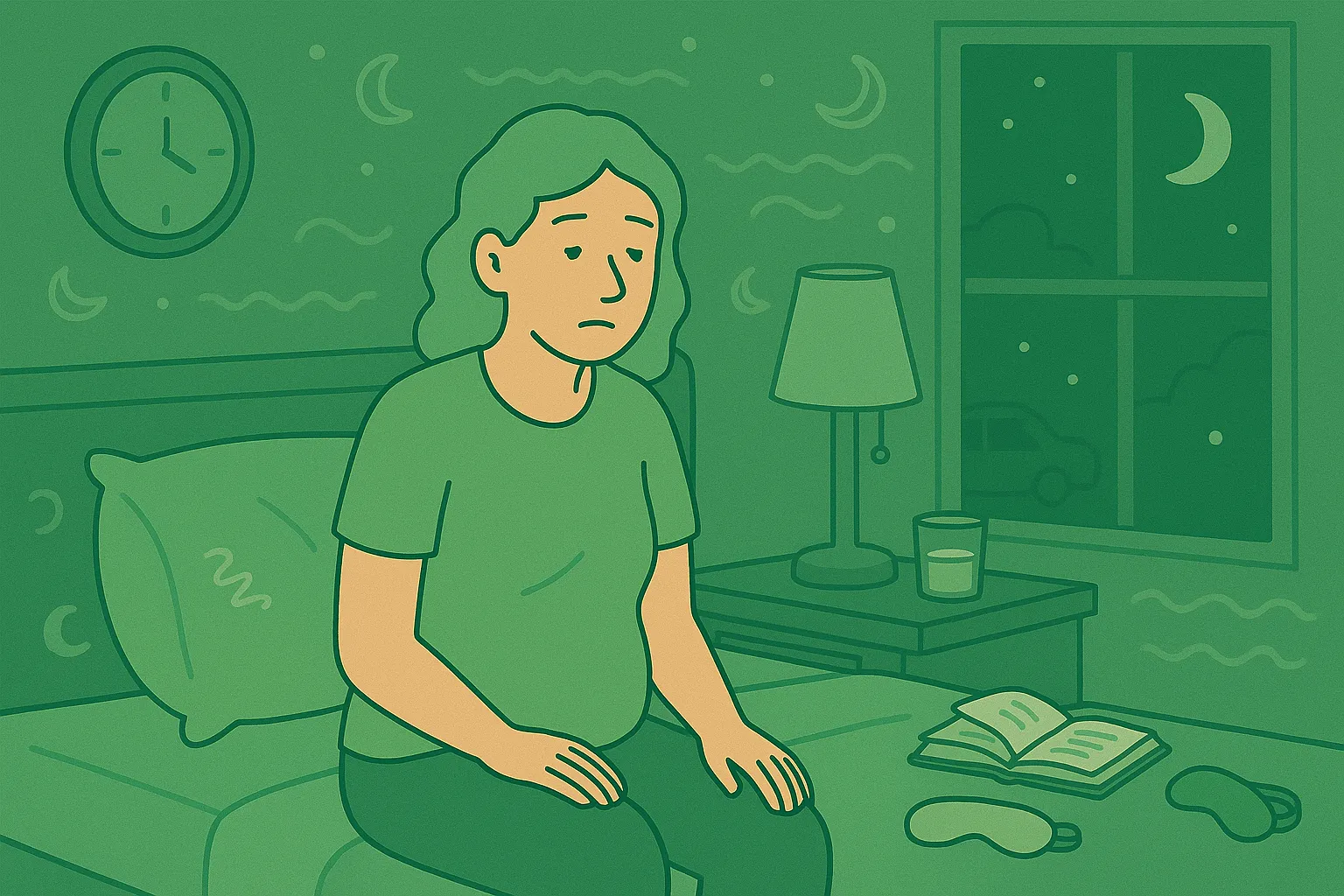
Nearly half of all women get less than seven hours of sleep each night—falling short of what their bodies actually need. For women between 45 and 54, that number jumps to 53% who regularly lose sleep due to hormonal changes. Add to this an alarming reality: one in five women has sleep apnea, yet nine out of ten remain undiagnosed, their symptoms mistaken for depression, stress, or simply “being tired.”
The sleep gender gap is real, and it runs deeper than busy schedules or restless minds. Women face unique biological challenges—from monthly hormonal fluctuations to pregnancy, menopause, and underdiagnosed sleep disorders. These factors create a perfect storm that disrupts both sleep quantity and quality. The consequences extend far beyond morning grogginess, affecting mood, cognitive function, cardiovascular health, and overall well-being.
Could You Have a Sleep Disorder Without Knowing It?
Women face an epidemic of underdiagnosed sleep disorders. The symptoms are often subtle, atypical, or mistakenly attributed to other conditions—making proper diagnosis frustratingly elusive.
Insomnia
Women are 40% more likely than men to develop insomnia. Half of women attribute their sleep problems to anxiety and depression—conditions that occur at higher rates in women and create a vicious cycle where poor sleep worsens mood disorders, which further disrupts sleep. The relationship works both ways, making it difficult to determine which came first.
Sleep Apnea
Here’s a stunning reality: approximately 20% of women have obstructive sleep apnea, yet an estimated 90% remain undiagnosed. Why? Because women’s symptoms look radically different from the textbook presentation doctors are trained to recognize.
Men with sleep apnea typically present with loud snoring, witnessed breathing pauses, and excessive daytime sleepiness. Women? They’re more likely to report morning headaches, chronic fatigue, insomnia, mood disturbances, anxiety, and difficulty concentrating—symptoms easily mistaken for depression, stress, or menopause itself.
This diagnostic gap has serious consequences. Untreated sleep apnea increases risks for high blood pressure, heart disease, stroke, and diabetes. Post-menopausal women face a two to three times higher risk of developing sleep apnea compared to their premenopausal years, as protective reproductive hormones decline.
Fortunately, modern treatment for sleep apnea has evolved significantly. Beyond traditional CPAP therapy, women now have access to alternative approaches, including oral appliances and innovative neurostimulation devices that address airway obstruction without masks or hoses—options particularly appealing for those who find CPAP uncomfortable or difficult to tolerate.
Other Disorders Affecting Women
Restless legs syndrome affects more than half of post-menopausal women, causing uncomfortable sensations in the legs that are temporarily relieved by movement, making it nearly impossible to fall asleep. The exact cause remains unclear, but hormonal fluctuations and iron deficiency appear to play roles.
How Do Your Hormones Control Your Sleep Patterns?
Sleep disorders tell only part of the story. Beneath many of these conditions lies a powerful force: reproductive hormones. Your estrogen and progesterone levels don’t just influence fertility—they’re master regulators of sleep, orchestrating patterns that directly impact how well (or poorly) you rest throughout your life.
Menstrual Mayhem
If you’ve noticed your sleep quality tanks before your period, you’re not imagining things. During the premenstrual phase, progesterone drops sharply while estrogen fluctuates wildly. The result? Nearly a quarter of women aged 18-24 lose sleep due to PMS-related symptoms, including cramping, mood swings, and increased nighttime awakenings. Progesterone naturally promotes sleep, so when levels plummet, falling asleep becomes harder and staying asleep feels nearly impossible.
Pregnancy
Between 66% and 94% of expectant mothers experience significant sleep disruptions. Early pregnancy brings exhausting fatigue paired with frustrating sleeplessness—a cruel irony driven by surging progesterone levels. As pregnancy progresses, physical discomfort joins the party: a growing belly limits comfortable sleeping positions, frequent bathroom trips interrupt sleep cycles, and anxiety about impending parenthood keeps minds racing. The third trimester typically brings peak sleep difficulties, with many women averaging just five to six hours of fragmented rest.
Menopause
More than 80% of women experience hot flashes during menopause, and when they occur at night, they become “night sweats”—intense episodes that drench sheets and shatter sleep. But here’s what many don’t realize: your brain often wakes you up before the hot flash happens, not because of it. Research shows that declining estrogen and progesterone levels disrupt the brain’s sleep-wake regulation centers, causing fragmented, lighter sleep even when hot flashes aren’t present.
Estrogen helps control body temperature and blocks wake-promoting neurotransmitters like histamine and norepinephrine. As it declines, temperature regulation falters, and the brain becomes more easily aroused from sleep. Meanwhile, falling progesterone—your body’s natural sedative—makes achieving deep, restorative sleep increasingly difficult.
How Does the Planning Burden Impact Women’s Rest?
Biology doesn’t tell the whole story. Women carry what researchers call “the mental load”—an invisible burden of planning, organizing, and worrying that follows them into the bedroom.
Twice as many women are awakened nightly to care for others compared to men. Mothers with children under 18 get 30 minutes less sleep than fathers in the same household. Juggling careers, childcare, eldercare, and household management leaves many women mentally wired at bedtime, unable to switch off the running to-do list.
This chronic stress elevates cortisol levels, which interferes with the natural circadian rhythm and makes falling asleep difficult. Anxiety about not sleeping creates additional stress, perpetuating a feedback loop that’s hard to escape.
Which Proven Methods Work for Women’s Sleep Problems?
Reclaiming quality sleep requires a multi-faceted approach targeting your unique challenges.
Optimize Your Sleep Environment
Research confirms that women and men have different temperature preferences for sleep. Women generally need warmer sleeping environments than men and don’t cool down as much overnight due to hormonal differences. Find your ideal temperature—typically between 65-70°F for most women—and adjust bedding accordingly. Keep your bedroom dark, quiet, and designated exclusively for sleep and intimacy.
Master Timing and Routine
Your body craves consistency. Go to bed and wake up at the same time every day, even on weekends. This strengthens your circadian rhythm and makes falling asleep easier. Create a wind-down routine starting 60-90 minutes before bed: dim lights, avoid screens (blue light suppresses melatonin), and engage in calming activities like reading, gentle stretching, or taking a warm bath. If you nap, keep it short and before 3 PM to avoid interfering with nighttime sleep.
Support Your Hormones Naturally
Track your menstrual cycle to identify patterns in your sleep quality. During phases when sleep is particularly challenging, adjust your expectations and implement extra sleep hygiene measures. Cognitive Behavioral Therapy for Insomnia (CBT-I) has strong evidence for treating insomnia related to menopause and hormonal changes, often with better long-term results than medication. For persistent sleep disruptions during menopause, consult your healthcare provider about hormone therapy options, weighing the benefits and risks for your individual situation. Some women find relief through alternative approaches like acupuncture or relaxation techniques.
Move Your Body Strategically
Regular physical activity improves sleep quality and reduces anxiety, but timing matters. Exercise earlier—morning or early afternoon is ideal. Vigorous activity within two hours of bedtime can be stimulating. However, gentle yoga or stretching before bed can promote relaxation and prepare your body for sleep.
Refine Your Diet
Caffeine has a half-life of five to six hours, so set a cutoff time six to eight hours before bed. Watch alcohol consumption—while it may help you fall asleep faster, it disrupts sleep architecture later in the night as your body metabolizes it, causing frequent awakenings. Avoid large or spicy meals close to bedtime, which can cause discomfort and indigestion.
Address Underlying Disorders
If you experience persistent morning headaches, chronic fatigue despite seemingly adequate sleep, mood changes affecting daily life, or if your partner notices breathing pauses during sleep, seek professional evaluation. A sleep study can diagnose conditions like sleep apnea or restless legs syndrome. Don’t accept “it’s just your hormones” or “it’s normal at your age” as final answers when something feels wrong. Modern treatment for sleep apnea and other sleep disorders offers effective solutions that can significantly improve quality of life.
Manage Stress Proactively
Develop a stress management toolkit: practice mindfulness meditation, try progressive muscle relaxation, or journal to offload the mental burden before bed. If anxiety or depression persists, consider therapy. Cognitive behavioral approaches can break the cycle of rumination that keeps you awake.
Why Do Your Sleep Challenges Deserve Attention?
Sleep challenges aren’t a personal failing or something you simply need to tolerate. They’re biological realities rooted in hormonal fluctuations, underdiagnosed disorders, and societal pressures that disproportionately affect women. Recognizing these factors empowers you to advocate for yourself and seek appropriate solutions.
Start tonight with one manageable change: adjust your bedroom temperature, establish a consistent bedtime, or create a simple wind-down routine. Small steps accumulate into significant improvements. Better sleep is achievable with the right knowledge, tools, and willingness to prioritize your wellbeing.
Your sleep matters. Your health matters. And you deserve restorative rest that allows you to show up fully for yourself and those you care about. The path to better sleep starts with acknowledging the challenges—and taking action to overcome them.