Staying Strong Through Change: 6 Lifestyle Shifts for Fitness-Minded Women in Assisted Living
<p>Transitioning into assisted living can be a significant adjustment, particularly for women who have maintained an active, health-conscious lifestyle. While the setting may change, the dedication…
- Published
- Written by
- Women In Balance Team
- Reading time
- 3 minutes
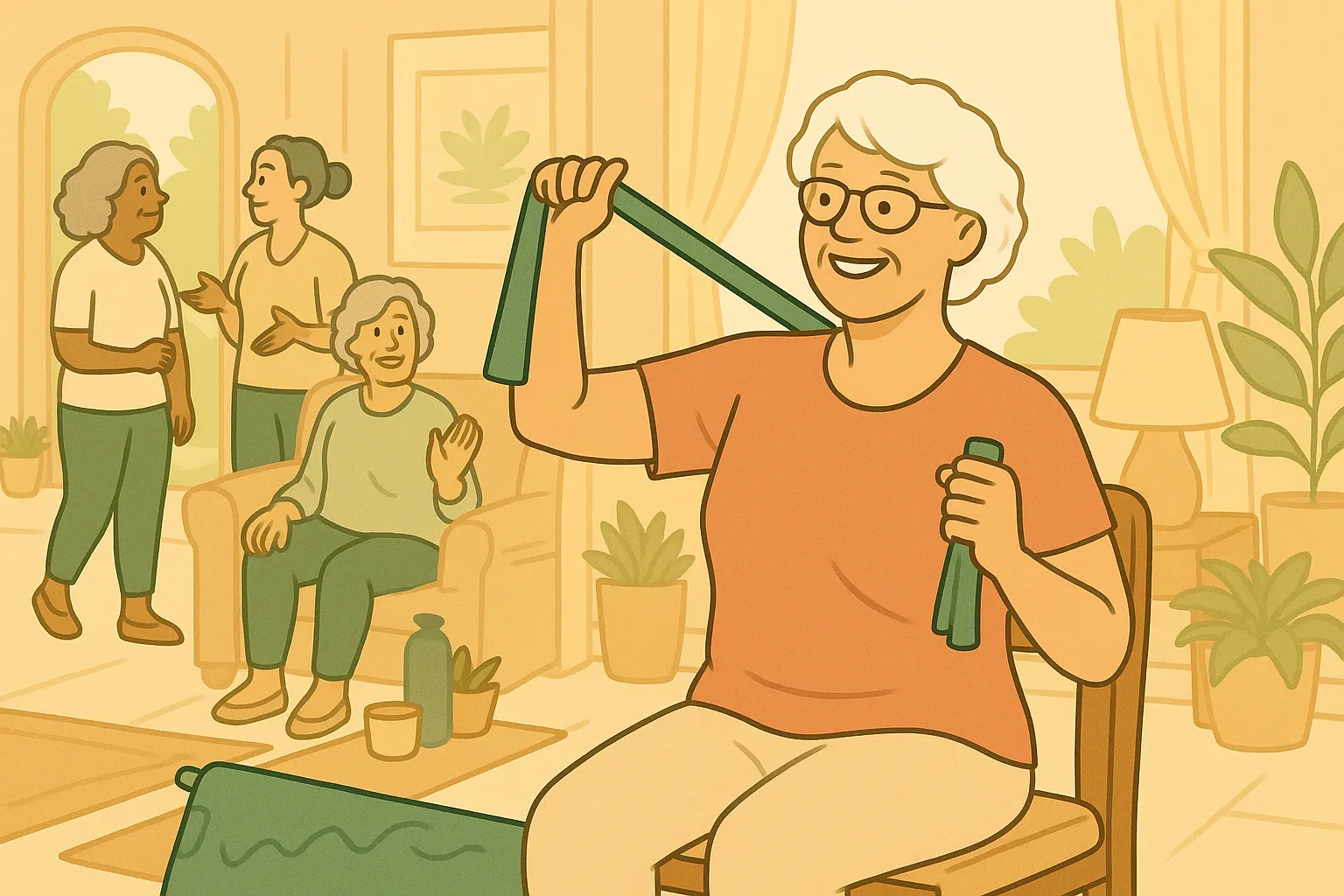
Transitioning into assisted living can be a significant adjustment, particularly for women who have maintained an active, health-conscious lifestyle. While the setting may change, the dedication to personal well-being doesn’t have to. Assisted living communities often provide structured opportunities to stay fit and maintain independence in new, enriching ways. This transition period can serve as a fresh chapter filled with renewed motivation, community support, and creative ways to adapt fitness goals. Below are six strategic lifestyle shifts designed to help fitness-minded women thrive physically and emotionally in assisted living environments.
Build a Supportive Community
Creating a strong, supportive community is important for women transitioning into assisted living, as it helps ease feelings of isolation and fosters a sense of belonging. Many find that connecting with others who share similar interests or fitness goals motivates them and provides emotional support during this significant life change. When deciding between assisted living and memory care, building these relationships can be important, as the level of care and social opportunities may differ between the two settings. Engaging in group activities, classes, or simply socializing in common areas helps residents maintain connections that enrich their daily lives and promote well-being.
Embrace Low-Impact Exercise Options
One of the most important shifts in assisted living is adjusting fitness routines to suit evolving physical needs. While high-impact workouts might no longer be ideal, low-impact options like chair yoga, tai chi, aqua aerobics, or resistance band training offer excellent alternatives that improve strength, flexibility, and balance. These exercises prevent injuries and contribute to maintaining muscle tone and cardiovascular health. Most assisted living communities now incorporate fitness programs tailored for older adults, often led by trained instructors who understand the nuances of aging bodies. Embracing these accessible workouts allows residents to stay active without risking strain or overexertion.
Redefine Personal Goals and Celebrate Progress
Moving into a new environment can be emotionally overwhelming, but it’s an opportunity to reassess what fitness and wellness mean in the current stage of life. For many women, this means shifting from performance-driven goals, like running a certain distance, to wellness-driven ones, such as improving balance or reducing blood pressure. Setting new, realistic goals fosters a sense of achievement and encourages consistency. Whether it’s walking a few extra laps around the garden or attending a full week of fitness classes, every milestone deserves recognition. This mindset shift promotes positivity, motivation, and emotional resilience during a period of great change.
Optimize Daily Movement
Fitness is woven into everyday routines. Taking the stairs, walking to meals, stretching in the morning, or participating in recreational activities like dancing or gardening all contribute to a healthy, active lifestyle. Women in assisted living can benefit greatly from integrating more movement into their daily habits when those movements are enjoyable and natural. This approach helps to mitigate the effects of prolonged sitting, which is common in residential settings. Incorporating more physical activity throughout the day keeps energy levels up, supports joint mobility, and helps manage chronic conditions like arthritis and diabetes.
Prioritize Nutrition for Strength and Energy
Fitness goals are only sustainable with the right nutritional support. Assisted living facilities often provide nutritious meals, but it’s still crucial to make informed food choices that align with one’s health needs and fitness aims. Protein-rich meals, whole grains, fruits, and vegetables fuel the body, support muscle maintenance, and improve recovery after exercise. Women should monitor hydration and consider dietary supplements if recommended by a physician. Speaking with on-site dietitians or nutritionists can ensure that meals are tailored to individual preferences and health requirements, making nutrition an empowering part of the fitness journey.
Maintain a Mind-Body Connection
Physical health is deeply intertwined with mental and emotional well-being. Mindfulness practices such as meditation, breathing exercises, and gratitude journaling complement physical activity by reducing stress, improving sleep, and fostering a more positive outlook. Fitness-minded women often find that maintaining a mind-body connection enhances their wellness experience in assisted living. Many facilities now offer holistic wellness programs that integrate mental and emotional health into their fitness offerings. By participating in these, women can continue cultivating self-awareness and emotional strength while reinforcing the physical benefits of their daily routines.
Adjusting to life in assisted living doesn’t mean letting go of a fitness-focused lifestyle. It simply calls for a thoughtful shift in how that lifestyle is pursued. From embracing new forms of exercise and redefining goals to fostering social connections and nurturing the mind-body link, each change brings with it the possibility of renewed strength and wellness. By making these six lifestyle shifts, fitness-minded women can continue to thrive, proving that vitality and resilience evolve with age.