Supplements for Perimenopause: What Actually Helps
<p>Effective supplements for perimenopause include magnesium for sleep and mood, omega-3 fatty acids for inflammation, and vitamin D for bone health. Black cohosh and evening primrose oil may reduce…
- Published
- Written by
- wib-seo
- Reading time
- 5 minutes
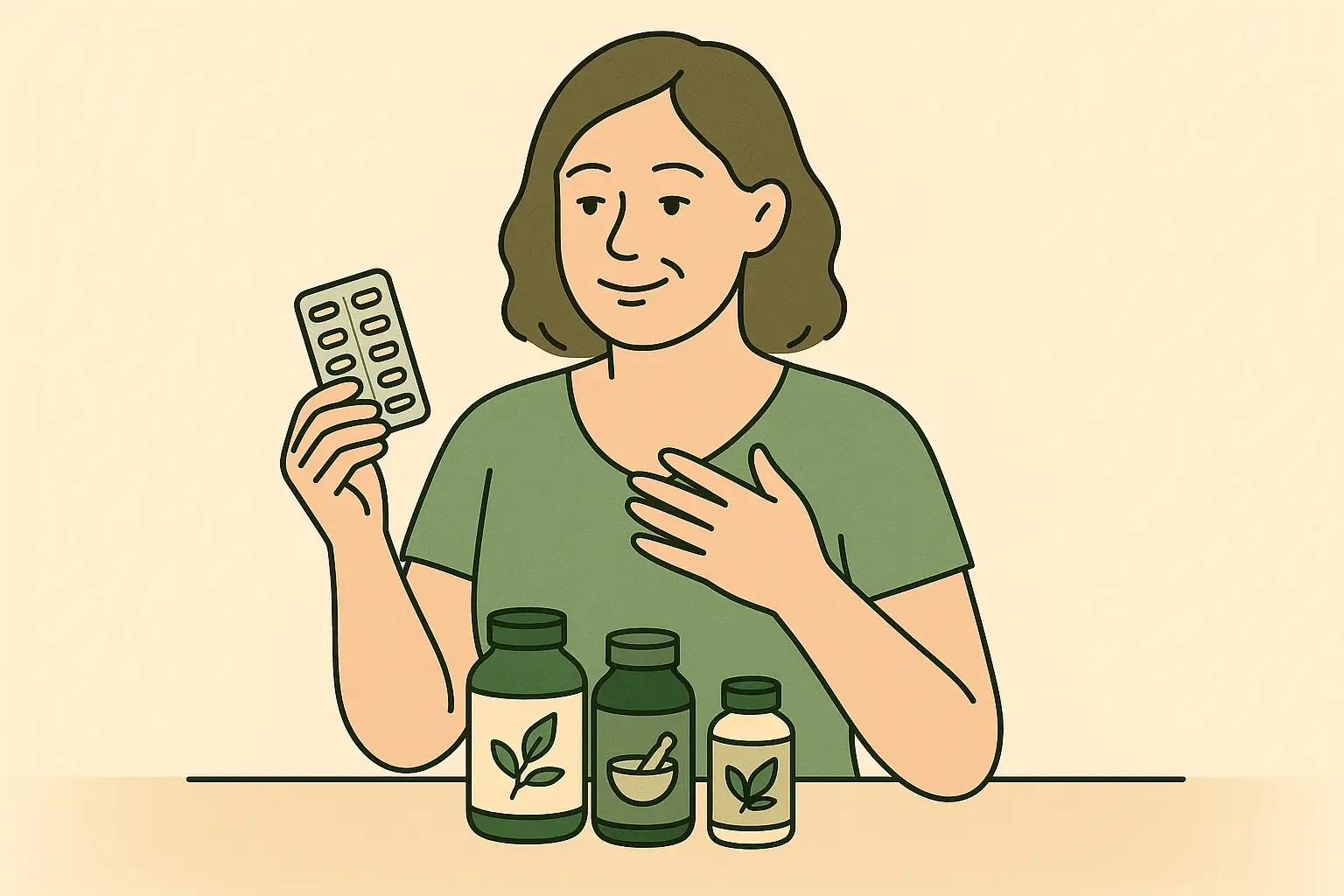
Effective supplements for perimenopause include magnesium for sleep and mood, omega-3 fatty acids for inflammation, and vitamin D for bone health. Black cohosh and evening primrose oil may reduce hot flashes. Always confirm supplement use with a healthcare provider to avoid interactions or side effects.
Key Takeaways
- Evidence-based supplements like black cohosh, magnesium glycinate, and omega-3s may help manage specific perimenopause symptoms
- Quality matters – look for third-party tested products with transparent labeling and clinically studied forms
- Safety first – always consult healthcare providers before starting supplements, especially if you have medical conditions or take medications
Navigating perimenopause can feel overwhelming when hot flashes disrupt your sleep, mood swings affect your relationships, and brain fog clouds your thinking. While hormone replacement therapy isn’t right for everyone, supplements for perimenopause offer a natural approach that many women find helpful for managing symptoms.
This guide examines which supplements have solid research backing, which ones to approach with caution, and how to choose quality products that actually work.
What Is Perimenopause?
Perimenopause is the transitional period before menopause when your ovaries gradually produce less estrogen and progesterone. These hormonal fluctuations typically begin in your 40s and can last several years.
Common symptoms that drive women to seek relief include:
- Hot flashes and night sweats
- Sleep disturbances and insomnia
- Mood changes, anxiety, and irritability
- Irregular or heavy menstrual cycles
- Brain fog and memory issues
- Joint aches and stiffness
- Bone density changes
Unlike menopause (when periods stop completely), perimenopause symptoms can be unpredictable as hormone levels rise and fall erratically.
Supplements by Symptom
Rather than taking a one-size-fits-all approach, targeting perimenopause supplements to your specific symptoms often yields better results. Here’s what research shows works best for different concerns.
Hot Flashes & Night Sweats
Black cohosh stands out as the most studied supplement for hot flashes. Multiple clinical trials show it can reduce both frequency and intensity of hot flashes within 4-12 weeks.
Typical dose: 20-40mg daily of standardized extract
Soy isoflavones may also help, particularly for women with lower natural soy intake. Look for products containing 40-80mg of isoflavones daily. However, effects vary significantly between individuals.
Red clover contains similar compounds to soy but with mixed research results. Some women report benefits, while studies show inconsistent outcomes.
Sleep & Anxiety
Magnesium glycinate is your best bet for both sleep quality and anxiety relief. This highly absorbable form helps regulate neurotransmitters that promote relaxation without morning grogginess.
Typical dose: 200-400mg before bedtime
Ashwagandha has strong research for reducing cortisol levels and improving sleep quality. Studies show significant improvements in sleep onset and duration after 6-8 weeks.
Typical dose: 300-500mg daily
L-theanine offers gentle anxiety relief without sedation. This amino acid from tea leaves promotes alpha brain waves associated with calm alertness.
Typical dose: 100-200mg as needed
Mood, Stress & Brain Fog
Omega-3 fatty acids (EPA/DHA) support brain health and may help stabilize mood during hormonal fluctuations. Look for supplements providing at least 1000mg EPA daily, as this form shows stronger anti-inflammatory effects.
B-complex vitamins, particularly B6, B12, and folate, support neurotransmitter production and energy metabolism. Many perimenopausal women have suboptimal B vitamin levels due to increased stress and changing nutritional needs.
Rhodiola rosea is an adaptogenic herb that may help combat brain fog and improve mental clarity. Studies suggest it enhances cognitive function under stress, though more research specific to perimenopause is needed.
Irregular/Heavy Cycles & PMS-like Symptoms
Chasteberry (Vitex) has traditional use for menstrual irregularities, but evidence is mixed for perimenopause specifically. Some women report more regular cycles and reduced PMS symptoms.
Important note: May interact with hormonal contraceptives and fertility medications
Bone Health
Vitamin D3 plus calcium remains the gold standard for bone health during perimenopause when estrogen decline accelerates bone loss.
Recommended: Get vitamin D blood levels tested first – many women need 1000-4000 IU daily
Vitamin K2 works synergistically with D3 and calcium to direct calcium into bones rather than soft tissues. Look for the MK-7 form for better absorption.
Joint Aches & Inflammation
Omega-3s offer anti-inflammatory benefits that may reduce joint stiffness and aches common during perimenopause.
Turmeric/curcumin with black pepper extract or phospholipids improves absorption and provides potent anti-inflammatory effects.
Important: Both may interact with blood thinning medications
Supplements With Limited or Mixed Evidence
While heavily marketed for menopause, these supplements lack strong scientific support:
- Evening primrose oil – minimal evidence for hot flashes or mood benefits
- Wild yam creams – contain compounds that don’t convert to progesterone in the body
- DHEA – may help some women but can worsen hormone-sensitive conditions
- Over-the-counter progesterone creams – inconsistent dosing and absorption
Key concerns: Hormone-like supplements may be risky for women with breast cancer history, blood clots, or liver disease. Many also interact with medications.
Safety, Interactions & Who Should Avoid
Red flags – avoid supplements if you have:
- Pregnancy or trying to conceive
- History of hormone-sensitive cancers (breast, ovarian, endometrial)
- Liver disease or dysfunction
- Blood clotting disorders
- Planned surgery within 2 weeks
- Taking SSRIs, blood thinners, or thyroid medications (without medical supervision)
Quality concerns to watch for:
- Proprietary blends that don’t disclose individual ingredient amounts
- Products lacking third-party testing
- Claims that sound too good to be true
- Extremely high doses of fat-soluble vitamins
Always inform all your healthcare providers about supplements you’re taking, as they can interact with prescription medications in unexpected ways.
How to Choose Quality Supplements
Look for these quality markers:
Third-party testing seals like USP, NSF International, or Informed Choice verify purity and potency.
Transparent labeling should list exact amounts of active ingredients, not just proprietary blend totals.
Clinically studied forms – for example, magnesium glycinate absorbs better than magnesium oxide.
Realistic doses that match research studies, not mega-doses that may cause side effects.
Clear allergen information and manufacturing details from reputable companies.
Avoid products with artificial colors, unnecessary fillers, or marketing claims like “hormone-free” (which is meaningless for plant-based supplements).
Conclusion
Supplements for perimenopause can be valuable tools for managing symptoms when chosen wisely and used safely. Black cohosh for hot flashes, magnesium glycinate for sleep, and omega-3s for mood and inflammation have the strongest research support.
Remember that supplements work best as part of a comprehensive approach including proper nutrition, regular exercise, stress management, and medical care when needed.
Start with one supplement at a time to assess effectiveness and tolerability. Keep a symptom diary to track improvements, and give each supplement 6-12 weeks to show effects.
Most importantly, work with healthcare providers who understand perimenopause to create a personalized plan that addresses your specific symptoms and health history.
Frequently Asked Questions
How long until I notice changes?
Most supplements require 4-12 weeks of consistent use to show meaningful effects, though some like magnesium for sleep may work within days.
Can I take supplements with HRT?
Many supplements are safe with hormone replacement therapy, but always check with your prescribing physician first as some combinations may enhance or interfere with HRT effects.