Sustainable Nutrition for Menopause and Beyond
A significant number of menopausal women struggle with their weight as aging comes with hormonal shifts that change how the body stores fat. A survey has found that 68.1 percent of women ages 40 to…
- Published
- Written by
- Women In Balance Team
- Reading time
- 3 minutes
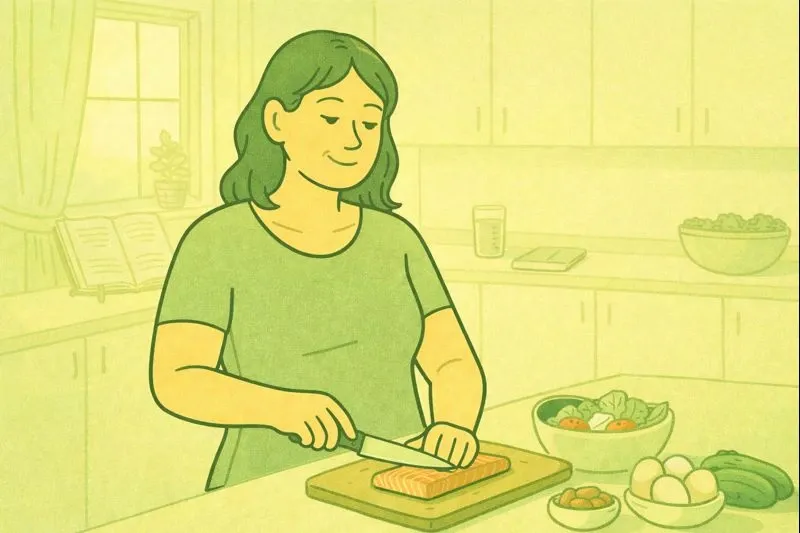
A significant number of menopausal women struggle with their weight as aging comes with hormonal shifts that change how the body stores fat. A survey has found that 68.1 percent of women ages 40 to 59 were classified as overweight or affected by obesity, and this age range happens to correlate with the same time that most women are experiencing the natural transition phase leading to menopause. Declining estrogen levels is a main cause of weight gain since it can lead to increased fat storage, particularly around the midsection. What’s more, having a poor diet, lack of physical activity, stress, and poor sleep quality can also contribute to weight gain during this stage in a woman’s life.
Weight gain is common among menopausal women, but there are ways to prevent it so you can stay healthy and trim as you age. Changing the way you eat can definitely help to avoid weight and fat gain, especially if you consume foods that are low in carbohydrates. Studies show that a low-carb diet can help in weight management during menopause, and it may even lower your weight gain risk. Here’s why a low-carb diet can be the best solution to prevent menopausal weight gain.
Reduces Food Cravings
Most women gain about 1.5 pounds per year during the perimenopausal stage, which can result in a total weight gain of around 10 to 20 pounds by the time menopause is reached. About 60 percent of menopausal women say that their weight concerns have had a negative impact on their lives, and it’s why some of them will go on special diets or get fat reduction treatments to be healthy and feel good about the way they look. If you’re overweight or obese, a weight loss specialist may recommend certain treatments such as weekly weight loss injections which can make you lose up to 22.5 percent of your body weight. In addition to treatments, they may also recommend a low-carb diet since it’s proven to reduce food cravings during menopause.
Women often experience heightened food cravings, especially for carbohydrates and sweets during perimenopause and menopause. Drops in estrogen levels can cause intense cravings for starchy or sugary foods, and it’s the reason why menopausal women often think about having pastries, pizza, pasta, cookies, or ice cream in between meals. Spikes in cortisol levels, which can cause mood swings and irritability during menopause, can also contribute to food cravings since those who are feeling tired and stressed from menopause symptoms may turn to sweets and carb-rich foods for comfort.
A low-carb diet can be an effective solution to quell food cravings, and research suggests that being on a strict no carb and sugar-free meal plan such as the keto diet can decrease hunger and desire for certain foods. A 2021 study reveals that the keto diet may reduce levels of ghrelin, which is a hormone that stimulates appetite. Meanwhile, another research has found that being on the keto diet for eight weeks can increase the appetite-regulating hormone called Glucagon-like Peptide-1 (GLP-1) in women. Before going on the keto diet though, be sure to consult a nutrition expert to know the right types and amount of food to consume for better health and effective weight management.
Improves Metabolism
A diet that’s low in carbohydrates can improve metabolism since it reduces sugar spikes, often experienced by women during menopause. Frequent sugar spikes can put a strain on your metabolic system, leading to insulin resistance which can prevent fat burning and cause weight gain. Once your body stops responding to insulin, you may have a higher risk of developing other health issues such as PCOS, type 2 diabetes, fatty liver, and heart issues.
For better metabolism and healthy aging, think about eliminating starches and sugars from your diet and eat more protein everyday. Menopausal women on a low-carb diet should have a protein intake of 1.0 to 1.2 grams per kilogram of body weight for blood sugar regulation while sustaining muscle strength. Aim to eat a good amount of protein at every meal to meet your body’s needs during menopause. Also, apart from consuming meat and fish, think about including other protein-rich foods in your diet such as eggs, Greek yoghurt, tofu, chickpeas and sugar-free nut butters.
Prevent menopausal weight gain from affecting your health and body image. Consider going on a low-carb diet to effectively manage your weight and prevent the risk of other health problems. Consult a dietician to guide you on meal plans for best results.