How to Test Cortisol Levels at Home: Step-by-Step Guide
<p>Test cortisol levels at home by using saliva, urine, or blood spot test kits. Collect the sample in the morning and follow the kit’s instructions. Send the sample to a certified lab. Results are…
- Published
- Written by
- Women In Balance Team
- Reading time
- 13 minutes
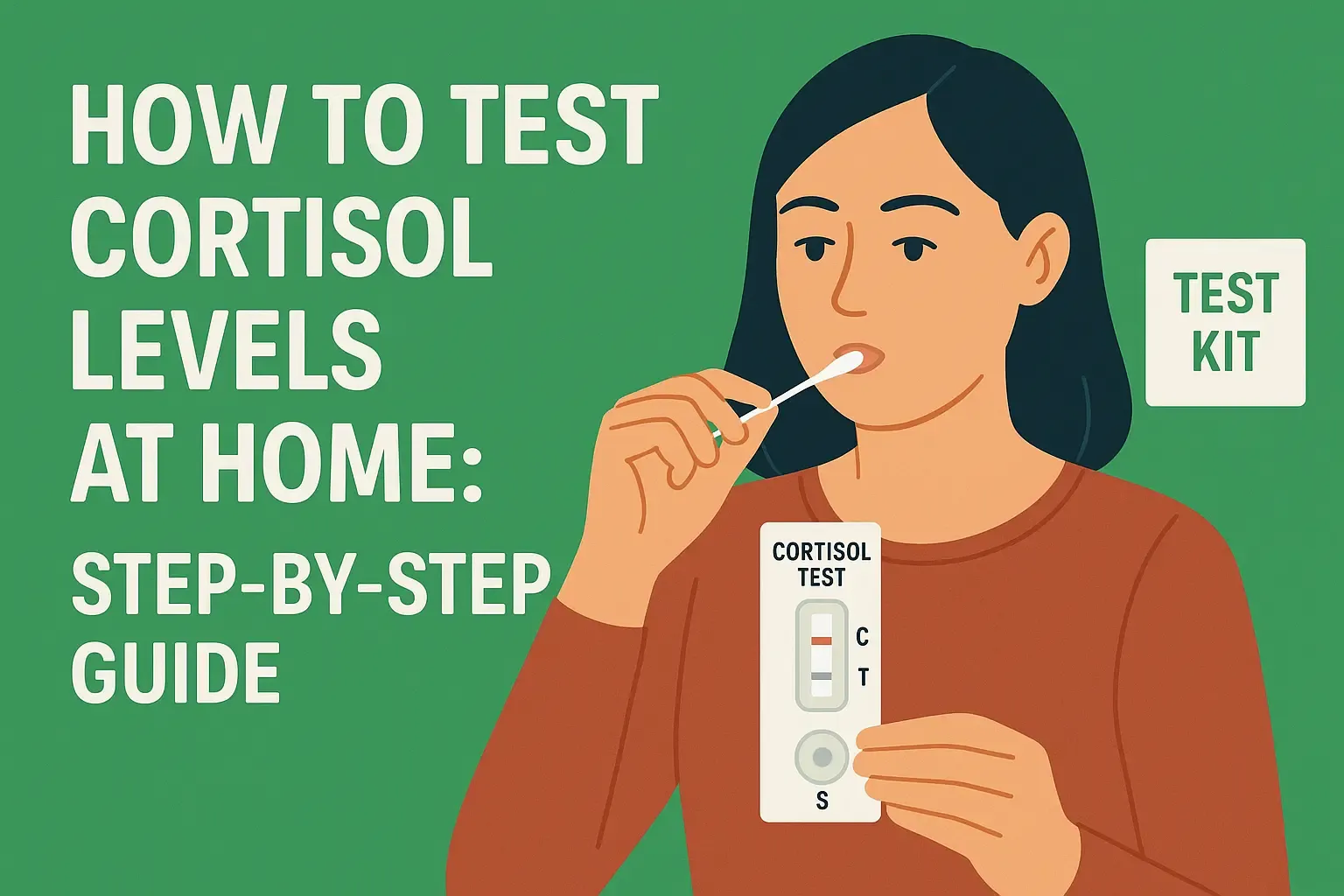
Test cortisol levels at home by using saliva, urine, or blood spot test kits. Collect the sample in the morning and follow the kit’s instructions. Send the sample to a certified lab. Results are usually available online within 3–5 days and show cortisol levels compared to normal reference ranges.
Key Takeaways
- At-home cortisol testing is convenient and accessible, offering saliva, urine, and blood testing options that can be done in the comfort of your home
- Proper timing and sample collection are crucial for accurate results, as cortisol levels naturally fluctuate throughout the day
- Home tests provide valuable insights but should always be followed up with professional medical consultation for proper interpretation and next steps
If you’ve been experiencing persistent fatigue, unexplained weight changes, or difficulty managing stress, your cortisol levels might be out of balance. Learning how to test cortisol levels at home can be an empowering first step toward understanding your body’s stress response and taking control of your health. This comprehensive guide walks you through everything you need to know about at-home cortisol testing, from choosing the right test to understanding your results and knowing when to seek professional help.
What Is Cortisol and Why It Matters
Cortisol, often called the “stress hormone,” is a vital steroid hormone produced by your adrenal glands. This powerful hormone plays a crucial role in numerous bodily functions, including regulating your metabolism, controlling inflammation, managing blood sugar levels, and helping your body respond to stress.
Under normal circumstances, cortisol follows a predictable daily rhythm. Levels typically peak in the early morning to help you wake up and gradually decline throughout the day, reaching their lowest point at night to prepare your body for sleep. This natural fluctuation is essential for maintaining healthy energy levels, mood stability, and overall well-being.
Monitoring and managing cortisol—whether via stress‑reduction techniques or medical intervention in endocrine disorders—can therefore be an important component of blood pressure control. Moreover, cortisol directly and indirectly raises MAP (mean arterial pressure) through increased vascular reactivity, fluid retention, and sustained hypertensive effects in states of cortisol excess. To that end, a BP MAP calculator is used to find the average arterial blood pressure during a single cardiac cycle.
However, chronic stress, medical conditions, or lifestyle factors can disrupt this delicate balance, leading to either consistently high or low cortisol levels. Understanding your hormone balance is crucial because cortisol imbalances can significantly impact your quality of life.
High cortisol symptoms may include:
- Persistent fatigue despite adequate sleep
- Unexplained weight gain, especially around the midsection
- High blood pressure
- Mood swings, anxiety, or irritability
- Difficulty concentrating or memory problems
- Frequent infections or slow wound healing
- Sleep disturbances
Low cortisol symptoms may include:
- Extreme fatigue and weakness
- Unexplained weight loss
- Low blood pressure
- Dizziness or fainting
- Salt cravings
- Darkening of the skin
- Depression or mood changes
These symptoms can significantly overlap with other health conditions, which is why testing becomes important for getting a clearer picture of your hormonal health.
Signs You Might Need a Cortisol Test
While cortisol testing can be beneficial for many people, certain signs and symptoms may indicate that checking your levels should be a priority. It’s important to remember that these symptoms can have multiple causes, but they warrant investigation when they persist or significantly impact your daily life.
Physical symptoms that may indicate cortisol imbalance:
- Chronic fatigue that doesn’t improve with rest
- Unexplained changes in weight or appetite
- Frequent headaches or muscle aches
- Changes in blood pressure
- Disrupted sleep patterns or insomnia
- Digestive issues or changes in bowel habits
- Skin changes, including slow healing or unusual pigmentation
Emotional and cognitive symptoms:
- Persistent anxiety or feelings of overwhelm
- Depression or mood swings
- Difficulty concentrating or “brain fog”
- Increased irritability or emotional sensitivity
- Loss of motivation or interest in activities
Lifestyle factors that may affect cortisol:
- Chronic stress from work, relationships, or major life changes
- Irregular sleep schedules or shift work
- Intense or excessive exercise
- Poor dietary habits or restrictive eating
- Excessive caffeine or alcohol consumption
If you’re experiencing several of these symptoms, especially if they’ve persisted for weeks or months, testing your cortisol levels can provide valuable insights. However, it’s crucial to understand that hormones work together in complex ways, and cortisol is just one piece of your overall hormonal health picture.
At-Home Cortisol Testing Options
The convenience of at-home cortisol testing has made it easier than ever to assess your stress hormone levels without visiting a lab. There are three main types of at-home cortisol tests, each with its own advantages and considerations.
Saliva Tests
Saliva testing is the most popular option for at-home cortisol testing because it’s simple, non-invasive, and measures “free” cortisol—the active form that your body can actually use. Saliva tests are particularly useful for measuring cortisol’s daily rhythm.
Advantages:
- Easy collection process
- Measures bioavailable cortisol
- Can test multiple times throughout the day
- Less affected by stress from the testing process itself
Considerations:
- Results can be affected by blood in saliva from dental issues
- Recent eating, drinking, or teeth brushing can influence results
- Some medications may affect accuracy
Urine Tests
Urine cortisol tests typically measure cortisol production over a 24-hour period, providing a comprehensive view of your overall cortisol output.
Advantages:
- Provides average cortisol production over time
- Less affected by momentary stress
- Good for detecting overall cortisol excess
Considerations:
- Requires collecting all urine over 24 hours
- More cumbersome collection process
- May be affected by kidney function
Finger-Prick Blood Tests
Some at-home kits offer finger-prick blood tests that measure cortisol in a small blood sample.
Advantages:
- Familiar testing method
- Can measure both free and bound cortisol
- Quick collection process
Considerations:
- Single point-in-time measurement
- May be affected by the stress of blood collection
- Less convenient than saliva testing
Popular at-home testing companies include EverlyWell, LetsGetChecked, and Thorne Health, among others. When choosing a test, look for companies that use certified laboratories and provide clear instructions for sample collection.
Steps to Testing for Cortisol Levels at Home
Testing cortisol levels at home is straightforward when you follow the proper steps. Here’s a comprehensive guide that applies to most at-home cortisol testing kits:
Step 1: Choose and Order Your Test
Research reputable testing companies and select a test that meets your needs. Consider whether you want a single cortisol measurement or a comprehensive panel that includes other hormones. Read reviews and ensure the company uses certified laboratories for analysis.
Step 2: Prepare for Testing
Before your test day:
- Read all instructions thoroughly
- Note any dietary or medication restrictions
- Plan your testing schedule (timing is crucial for cortisol)
- Ensure you have a quiet, stress-free environment for collection
General preparation guidelines:
- Avoid intense exercise for 24 hours before testing
- Maintain your normal sleep schedule
- Avoid excessive stress when possible
- Follow any specific dietary instructions provided
Step 3: Collect Your Sample
For saliva tests:
- Don’t eat, drink, brush teeth, or chew gum for 30 minutes before collection
- Collect at the specified times (often upon waking and before bed)
- Fill the tube to the indicated line
- Cap tightly and label with date and time
For urine tests:
- Begin collection after your first morning urination
- Collect all urine for the next 24 hours in the provided container
- Store the container in a cool place as directed
- End collection exactly 24 hours after starting
For blood tests:
- Wash your hands thoroughly
- Use the lancet to prick your finger
- Collect the required amount of blood in the provided tube
- Apply pressure to stop bleeding and use the provided bandage
Step 4: Ship Your Sample
Most tests include prepaid shipping materials. Package your sample according to instructions, ensuring proper labeling and temperature control if required. Ship promptly to maintain sample integrity.
Step 5: Wait for and Review Results
Results typically arrive within 3-10 business days via email or through the company’s online portal. When you receive your results, take time to review them carefully, but remember that interpretation should involve a healthcare professional.
Important timing considerations:
- Cortisol levels naturally peak in the morning (usually between 6-8 AM)
- Levels should gradually decline throughout the day
- Evening cortisol should be at its lowest point
- Timing of collection is crucial for accurate interpretation
Understanding Your Results
Interpreting cortisol test results requires understanding both the numbers and the context of your symptoms and lifestyle. While at-home tests provide valuable information, professional interpretation is essential for proper understanding and next steps.
Normal Cortisol Patterns
A healthy cortisol rhythm typically shows:
- Morning cortisol: Higher levels (usually the peak for the day)
- Afternoon cortisol: Moderate levels, beginning to decline
- Evening cortisol: Lower levels, preparing the body for sleep
- Nighttime cortisol: Lowest levels of the day
High Cortisol Levels
Consistently elevated cortisol may suggest:
- Chronic stress: The most common cause of elevated cortisol
- Cushing’s syndrome: A rare condition involving excessive cortisol production
- Medication effects: Certain medications can raise cortisol levels
- Other medical conditions: Various health issues can affect cortisol production
Potential implications:
- Increased risk of cardiovascular problems
- Disrupted sleep patterns
- Weakened immune system
- Mood and cognitive changes
- Metabolic disruptions
Low Cortisol Levels
Consistently low cortisol may indicate:
- Adrenal fatigue: Though controversial, many practitioners recognize this pattern
- Addison’s disease: A rare autoimmune condition affecting the adrenal glands
- Secondary adrenal insufficiency: Problems with the pituitary gland
- Medication effects: Some medications can suppress cortisol production
Potential implications:
- Severe fatigue and weakness
- Difficulty responding to stress
- Blood pressure changes
- Electrolyte imbalances
- Increased susceptibility to illness
Important Limitations
Remember that at-home tests have limitations:
- Single measurements may not reflect your overall pattern
- Results can be influenced by temporary factors
- Normal ranges vary between laboratories
- Individual optimal levels may differ from population averages
Always discuss your results with a healthcare provider who can consider your complete health picture, including symptoms, medical history, and other relevant factors.
When to See a Doctor
While at-home cortisol testing can provide valuable insights, it’s important to understand when professional medical evaluation becomes necessary. These tests should be viewed as a starting point for understanding your health, not as a substitute for comprehensive medical care.
Immediate Medical Attention
Seek immediate medical care if you experience:
- Severe fatigue that interferes with daily activities
- Extreme dizziness or fainting episodes
- Significant mood changes including severe depression or anxiety
- Unexplained severe weight loss or rapid weight gain
- Signs of adrenal crisis: severe weakness, confusion, abdominal pain, or vomiting
Follow-Up Medical Consultation
Schedule an appointment with a healthcare provider if:
- Your test results fall outside the normal range
- You have persistent symptoms despite normal test results
- You’re experiencing multiple symptoms that suggest hormonal imbalance
- You need guidance on hormone imbalance restoration
- You want to discuss treatment options or lifestyle modifications
Types of Healthcare Providers
Several types of medical professionals can help with cortisol-related concerns:
Primary Care Physicians: Can evaluate basic hormone concerns and provide referrals
Endocrinologists: Specialists in hormone-related conditions and disorders
Integrative Medicine Practitioners: Focus on whole-body approaches to hormonal health
Gynecologists: Particularly helpful for women experiencing hormone-related issues, especially during menopause or other reproductive transitions
What to Bring to Your Appointment
- Your at-home test results
- A detailed symptom diary
- List of current medications and supplements
- Family history of hormonal or autoimmune conditions
- Questions about next steps and treatment options
Remember that addressing cortisol imbalances often requires a comprehensive approach that may include additional testing, lifestyle modifications, and sometimes medical treatment. A healthcare provider can help develop a personalized plan based on your specific situation.
Natural Ways to Support Cortisol Balance
While medical intervention may be necessary for significant cortisol imbalances, many lifestyle strategies can help support healthy cortisol levels naturally. These approaches work best as part of a comprehensive plan developed with healthcare guidance.
Stress Management Techniques
Mindfulness and Meditation: Regular meditation practice can help regulate cortisol production and improve stress resilience. Even 10-15 minutes daily can make a significant difference.
Deep Breathing Exercises: Simple breathing techniques can activate the parasympathetic nervous system and help lower cortisol levels throughout the day.
Progressive Muscle Relaxation: This technique involves systematically tensing and relaxing muscle groups to reduce physical tension and stress.
Sleep Optimization
Consistent Sleep Schedule: Going to bed and waking up at the same time daily helps maintain healthy cortisol rhythms.
Sleep Hygiene: Creating a cool, dark, quiet sleeping environment and avoiding screens before bedtime can improve sleep quality and cortisol regulation.
Duration: Aim for 7-9 hours of quality sleep per night to support optimal hormone production.
Exercise and Movement
Moderate Exercise: Regular, moderate exercise can help regulate cortisol levels and improve stress resilience.
Avoid Overtraining: While exercise is beneficial, excessive high-intensity training can actually increase cortisol production.
Yoga and Tai Chi: These gentle movement practices combine physical activity with mindfulness, offering dual benefits for cortisol regulation.
Nutritional Support
Balanced Diet: Focus on whole foods, adequate protein intake, healthy fats, and complex carbohydrates to support stable blood sugar and hormone production.
Limit Caffeine: Excessive caffeine can stimulate cortisol production, especially when consumed later in the day.
Reduce Sugar and Processed Foods: These can cause blood sugar spikes that may affect cortisol levels.
Stay Hydrated: Proper hydration supports overall hormone function and stress response.
Adaptogenic Herbs
Some people find support from adaptogenic herbs, though these should be used under professional guidance:
Ashwagandha: May help reduce cortisol levels and improve stress tolerance
Holy Basil: Traditional herb used for stress management and hormone balance
Rhodiola: May help improve stress resilience and energy levels
Important Note: Consult with a healthcare provider before using any supplements, especially if you have medical conditions or take medications.
Social and Lifestyle Factors
Social Support: Maintaining strong relationships and social connections can help buffer stress and support healthy cortisol levels.
Time in Nature: Spending time outdoors, particularly in green spaces, has been shown to reduce cortisol levels.
Hobbies and Enjoyable Activities: Engaging in activities you enjoy can help reduce stress and promote relaxation.
Work-Life Balance: Setting boundaries and managing work stress is crucial for maintaining healthy cortisol levels.
Remember that supporting cortisol balance often requires addressing multiple aspects of health and lifestyle. What works for one person may not work for another, so it’s important to work with a healthcare provider to develop an individualized approach, especially when dealing with menopause balance or other complex hormonal transitions.
Conclusion
Testing cortisol levels at home has become an accessible and valuable tool for understanding your body’s stress response and overall hormonal health. By following the step-by-step process outlined in this guide, you can gather important information about your cortisol patterns from the comfort of your own home.
Remember that while at-home cortisol testing provides valuable insights, it’s just the beginning of your journey toward optimal hormonal health. These tests work best when combined with professional medical guidance, lifestyle modifications, and a comprehensive approach to wellness.
The key steps to successful at-home cortisol testing include choosing the right test for your needs, following collection instructions precisely, understanding the importance of timing, and most importantly, working with a healthcare provider to interpret your results and develop an appropriate action plan.
Take action today by assessing your symptoms, choosing a reputable at-home testing option, and preparing to take the first step toward better understanding your body’s stress response. Your health is worth the investment, and knowledge about your cortisol levels can empower you to make informed decisions about your well-being.
Whether your results show normal levels or indicate an imbalance, remember that cortisol issues are manageable with the right approach. Many people successfully restore their cortisol balance through a combination of lifestyle changes, stress management, and when necessary, medical intervention.
Frequently Asked Questions
Can I test cortisol levels with a smartwatch or fitness tracker?
Currently, smartwatches and fitness trackers cannot directly measure cortisol levels. While some devices claim to monitor stress through heart rate variability and other metrics, they cannot provide the specific hormone measurements needed for cortisol testing. These devices may offer insights into your stress patterns and recovery, but they’re not substitutes for actual cortisol testing. If you’re concerned about your cortisol levels, stick with proven testing methods like saliva, urine, or blood tests from reputable at-home testing companies or healthcare providers.
How accurate are at-home cortisol tests compared to lab tests?
At-home cortisol tests can be quite accurate when performed correctly and processed by certified laboratories. Many at-home testing companies use the same laboratory methods as traditional medical labs. However, accuracy depends heavily on proper sample collection, timing, and handling. Saliva tests, in particular, have been shown to correlate well with laboratory results for measuring free cortisol. The main advantage of at-home testing is convenience and the ability to test in your natural environment, which may actually provide more representative results than a potentially stressful clinic visit. However, for definitive diagnosis of medical conditions, healthcare providers may still prefer laboratory testing with additional confirmation tests.
How often should I test my cortisol levels?
The frequency of cortisol testing depends on your individual circumstances and health goals. For general health monitoring or initial assessment, testing once or twice per year may be sufficient. If you’re experiencing symptoms of cortisol imbalance or working on lifestyle interventions, you might test every 3-6 months to track changes. During times of high stress, illness, or significant life changes, more frequent testing might be helpful. If you’re working with a healthcare provider to address cortisol imbalances, they may recommend a specific testing schedule based on your treatment plan. Always discuss testing frequency with your healthcare provider, especially if you have ongoing health concerns or are taking medications that might affect cortisol levels.