The Evolving Role of Women in Nursing Today
<p>When most people picture a nurse, the image often reflects old stereotypes, a friendly face in scrubs with a clipboard, moving quickly between patients. But in 2025, the reality is far more…
- Published
- Written by
- Women In Balance Team
- Reading time
- 5 minutes
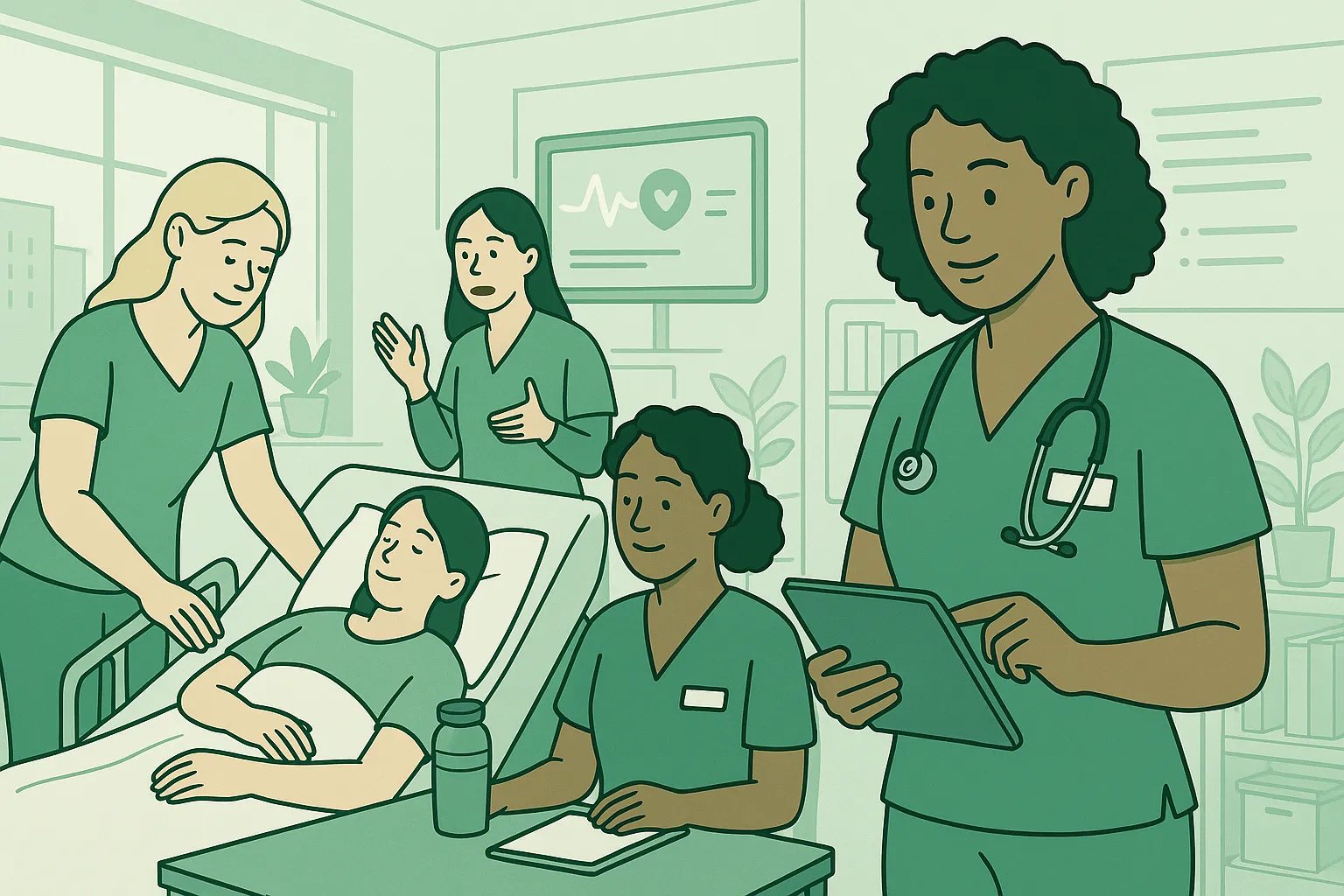
When most people picture a nurse, the image often reflects old stereotypes, a friendly face in scrubs with a clipboard, moving quickly between patients. But in 2025, the reality is far more complex. Women in nursing are no longer seen only as caregivers; they are also leaders, educators, innovators, and advocates working within a healthcare system under constant strain. They manage long shifts while balancing family responsibilities, handle both emotional and technical demands, and increasingly shape the policies and practices that guide modern medicine. The role of women in nursing has always shifted with history, through wars, pandemics, and advances in technology, and today it continues to evolve. With nursing shortages making headlines and burnout rates raising alarms, women are redefining the field itself.
In this blog, we will share how women in nursing are adapting to these pressures, what their evolving role means for the future of the profession, and how education and community support are helping them create sustainable and meaningful careers.
From Caregivers to Leaders
Women make up about 86% of the U.S. nursing workforce, and their role now extends well beyond bedside care, with many moving into leadership, shaping patient systems, and guiding hospital policies. Advances like telehealth, electronic records, and digital tools have expanded their responsibilities, making nurses the key link between patients and doctors.
Education is a key factor in this evolution. More women are pursuing advanced degrees and specialized training to take on roles in nurse education, administration, and research. And with the rise of flexible learning options, opportunities have grown even for those who are balancing families or second careers. Online programs have become essential. They make it possible for women to continue their education while still working. And when it comes to finding the best state for nursing school, Cleveland State University is one example where online learning meets hands-on practice, helping women prepare for advanced roles without stepping away from their lives. This combination of accessibility and quality is reshaping how women prepare for the future of nursing.
Balancing the Demands of Work and Life
One of the most complex parts of nursing today is balance. Nurses are expected to provide expert care while also managing their own health, families, and personal goals. The pandemic showed the world just how heavy that load can be. Women in nursing were not just frontline workers; they were also parents navigating remote learning, daughters caring for aging relatives, and individuals facing the same health risks as their patients.
Work-life balance in nursing is not about perfection. It is about sustainability. Hospitals and clinics that support flexible schedules, childcare resources, and wellness programs are seeing better retention rates. Nurses who have access to mentorship and peer support are less likely to experience burnout. Women are also leading the conversation about mental health in nursing, speaking openly about stress, compassion fatigue, and the need for systemic change.
Financial support also shapes whether nurses stay. For leaders weighing benefits, this comparison of PSLF vs. tuition reimbursement for nurses clarifies cost structures, retention timelines, and workforce reach—helping hospitals pair loan forgiveness with education funding to reduce burnout and improve retention.
The irony is that nurses often remind patients to prioritize rest and self-care, while struggling to practice it themselves. That is changing, though, as more women advocate not only for patients but for their own wellbeing in the workplace.
Shaping Policy and Advocacy
Beyond hospitals, women in nursing are stepping into advocacy roles that influence healthcare at the state and national levels. They are raising awareness about nurse-to-patient ratios, fighting for fair pay, and pushing for safer working conditions. Organizations led by women are also tackling inequities in access to care, especially in rural areas and underserved communities.
This shift is important because nurses see the system from the ground up. They know where the gaps are, and they are increasingly speaking out. Women are bringing their voices to boards, policy groups, and even legislatures. Their influence is expanding beyond patient rooms into the very structures that shape healthcare delivery.
Nursing as a Lifelong Career Path
For many women, nursing is not just a job but a career that evolves with them. Some start at the bedside and move into education, shaping the next generation of nurses. Others pursue specialties in areas like pediatrics, oncology, or mental health. The ability to pivot within the profession is one of its strengths.
Education is again at the center of this flexibility. Accelerated programs allow women to enter nursing from other careers, while advanced degrees open doors to higher-paying and more influential positions. Many women are now returning to school mid-career, building on their experience to become nurse practitioners, researchers, or policy leaders.
This adaptability makes nursing unique. It is one of the few professions where women can move between direct patient care, administration, and academia without leaving the field entirely. That fluidity is essential in a world where personal and professional priorities often shift.
Cultural Shifts and Breaking Stereotypes
Another evolution in the role of women in nursing is cultural. For decades, nursing was undervalued compared to medicine. The stereotype of the nurse as simply a helper is fading, but not gone. Women in nursing today are challenging that narrative, showing that their work is both intellectually rigorous and vital to the survival of healthcare systems.
Younger generations are also reshaping expectations. They are less willing to accept poor working conditions or stagnant wages. They expect recognition for their expertise. And they are more vocal about demanding equity across healthcare professions.
The public perception of nurses has shifted too. During the pandemic, nurses were celebrated as heroes. While that label oversimplified their role, it did shine a light on their importance. Now, many women in nursing are pushing to turn that temporary recognition into lasting respect, both socially and financially.
Looking Ahead: The Future of Women in Nursing
As healthcare continues to evolve, so will the role of women in nursing. The profession is at a crossroads, balancing tradition with innovation. Nurses will continue to carry the heart of patient care, but they will also take on more leadership, education, and advocacy roles.
The future will likely see more women using technology to improve patient outcomes, more pursuing advanced practice roles, and more influencing healthcare policies. And as conversations about equity and balance continue, nursing will hopefully become a profession where women can thrive not just in their careers but in their lives as a whole.
The evolving role of women in nursing is not just about filling gaps in the healthcare system. It is about reshaping the system itself. And the women doing this work are not waiting for permission. They are leading, innovating, and proving that the future of healthcare cannot be built without them.