The Impact of Trauma on Long-Term Wellness
Trauma doesn’t always come from a single moment, it can develop over time through repeated exposure to stress, fear, or harm. Whether it stems from domestic abuse, emotional abuse, workplace…
- Published
- Written by
- Women In Balance Team
- Reading time
- 3 minutes
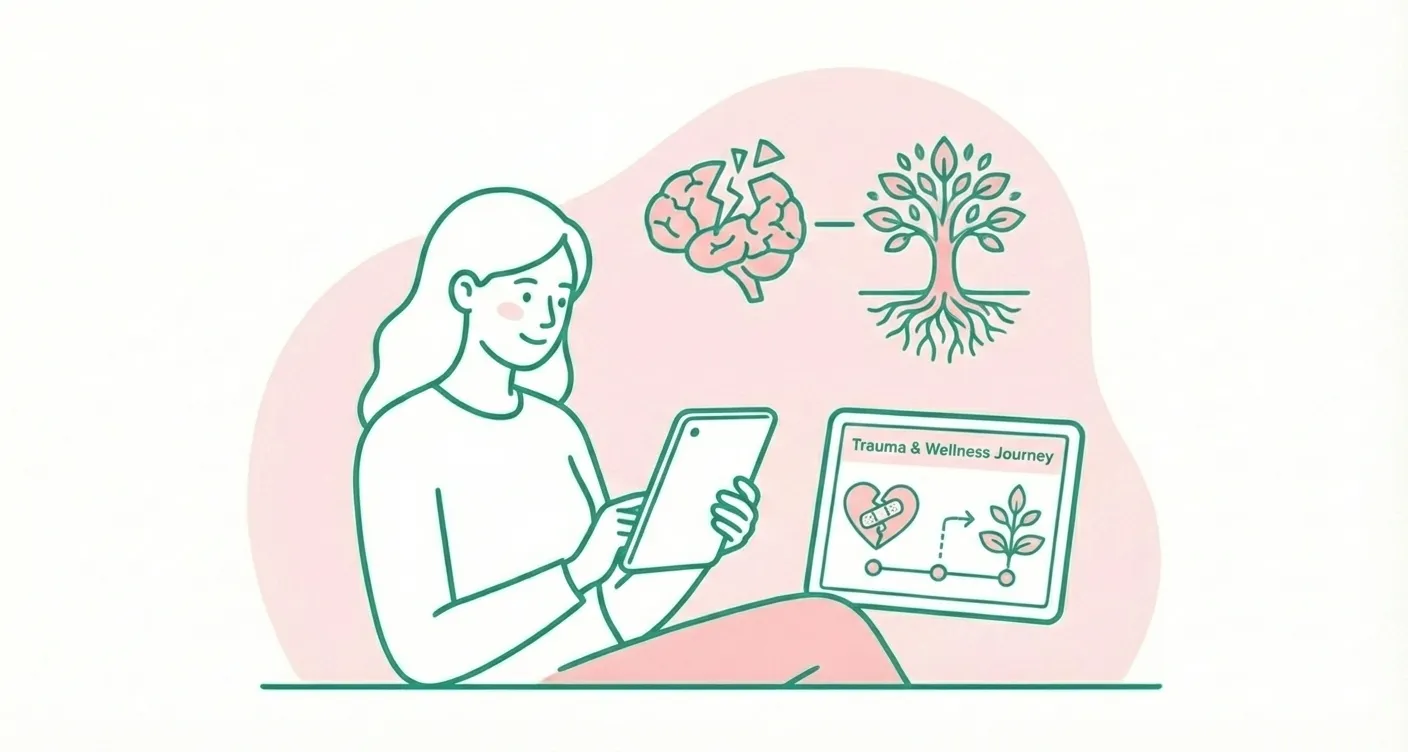
Trauma doesn’t always come from a single moment, it can develop over time through repeated exposure to stress, fear, or harm. Whether it stems from domestic abuse, emotional abuse, workplace mistreatment, sexual violence, or other forms of harm, trauma can leave lasting effects on both mental and physical health.
Many women live with trauma without realizing how deeply it shapes their daily lives. Symptoms may show up as anxiety, depression, chronic stress, sleep disturbances, fatigue, or difficulty concentrating. Over time, untreated trauma can increase the risk of long-term health conditions such as heart disease, autoimmune disorders, chronic pain, and gastrointestinal issues.
How Abuse Leads to Trauma
Domestic abuse and other forms of abuse, including emotional, psychological, financial, and sexual abuse, often create ongoing environments of fear, instability, and loss of control. This constant state of stress activates the body’s survival response, keeping the nervous system in a heightened state of alert.
When this stress response becomes chronic, it can disrupt hormone regulation, weaken immune function, and affect emotional regulation. Survivors may experience:
- Persistent anxiety or hypervigilance
- Depression or emotional numbness
- Difficulty forming or maintaining trust
- Sleep disorders and exhaustion
- Physical symptoms with no clear medical cause
These effects are not signs of weakness; they are the body and mind responding to prolonged harm.
The Long-Term Health Effects of Trauma
Trauma is not just emotional; it is physiological. Research continues to show that unresolved trauma can:
- Increase inflammation in the body
- Disrupt sleep and circadian rhythms
- Affect heart health and blood pressure
- Contribute to chronic pain and digestive disorders
- Increase vulnerability to anxiety disorders and PTSD
Without support, these effects can compound over time, impacting quality of life, relationships, work, and overall well-being.
The Importance of Support and Safety
Healing from trauma begins with safety, emotional, physical, and psychological. For many women, this means accessing mental health care, support networks, and, when needed, legal protection. In cases involving injury, abuse, or harm caused by another party, legal guidance can play an important role in restoring stability and accountability.
Firms like Nix Law Injury and Defense work with individuals facing serious life disruptions due to trauma, injury, or abuse, helping them understand their rights and navigate complex legal situations while prioritizing safety and dignity.
Moving Toward Healing
Recovery from trauma is possible. Trauma-informed care, therapy, community support, and legal advocacy can all be part of a holistic path toward healing. While the effects of trauma may be long-lasting, so too can be resilience; especially when women are empowered with the resources and support they deserve.
Understanding the Healing Process
Healing from trauma is not linear, and it looks different for every woman. Some may experience gradual improvements, while others may move forward in waves, with periods of progress followed by setbacks. This is a normal part of recovery and does not mean healing is failing. The nervous system, which has adapted to survive threat, often needs time, consistency, and safety to recalibrate.
Therapeutic approaches such as trauma-informed counseling, cognitive behavioral therapy, and somatic therapies can help individuals process experiences without becoming overwhelmed. These approaches focus not only on thoughts and emotions, but also on how trauma is stored in the body, through muscle tension, breathing patterns, and stress responses. With proper support, survivors can learn techniques to regulate emotions, reduce anxiety, and restore a sense of control over their lives.
The Role of Community and Empowerment
Community support also plays a critical role in long-term wellness after trauma. Safe friendships, support groups, and advocacy organizations can help reduce isolation and reinforce that survivors are not alone in their experiences. Feeling seen, believed, and supported can significantly improve emotional resilience and overall mental health.
Empowerment is another essential component of healing. This may include setting boundaries, reclaiming personal autonomy, and making informed decisions about one’s future. For some, empowerment also involves pursuing justice, accountability, or protection through legal channels, especially when trauma involves injury, abuse, or violation of rights.
Moving Forward With Strength
Long-term wellness after trauma is not about erasing the past, but about learning to live fully in the present without being controlled by it. With the right combination of emotional support, medical care, and advocacy, survivors can rebuild a sense of safety, purpose, and well-being. Healing is not only possible, it is achievable, and every step forward matters.