The Role of AI in Women’s Health: Innovation vs. Privacy Concerns
<p>Artificial intelligence is transforming people’s lifestyles and propelling businesses toward smart innovations. Women have greatly benefited from this technology in terms of enhanced health. AI…
- Published
- Written by
- Women In Balance Team
- Reading time
- 5 minutes
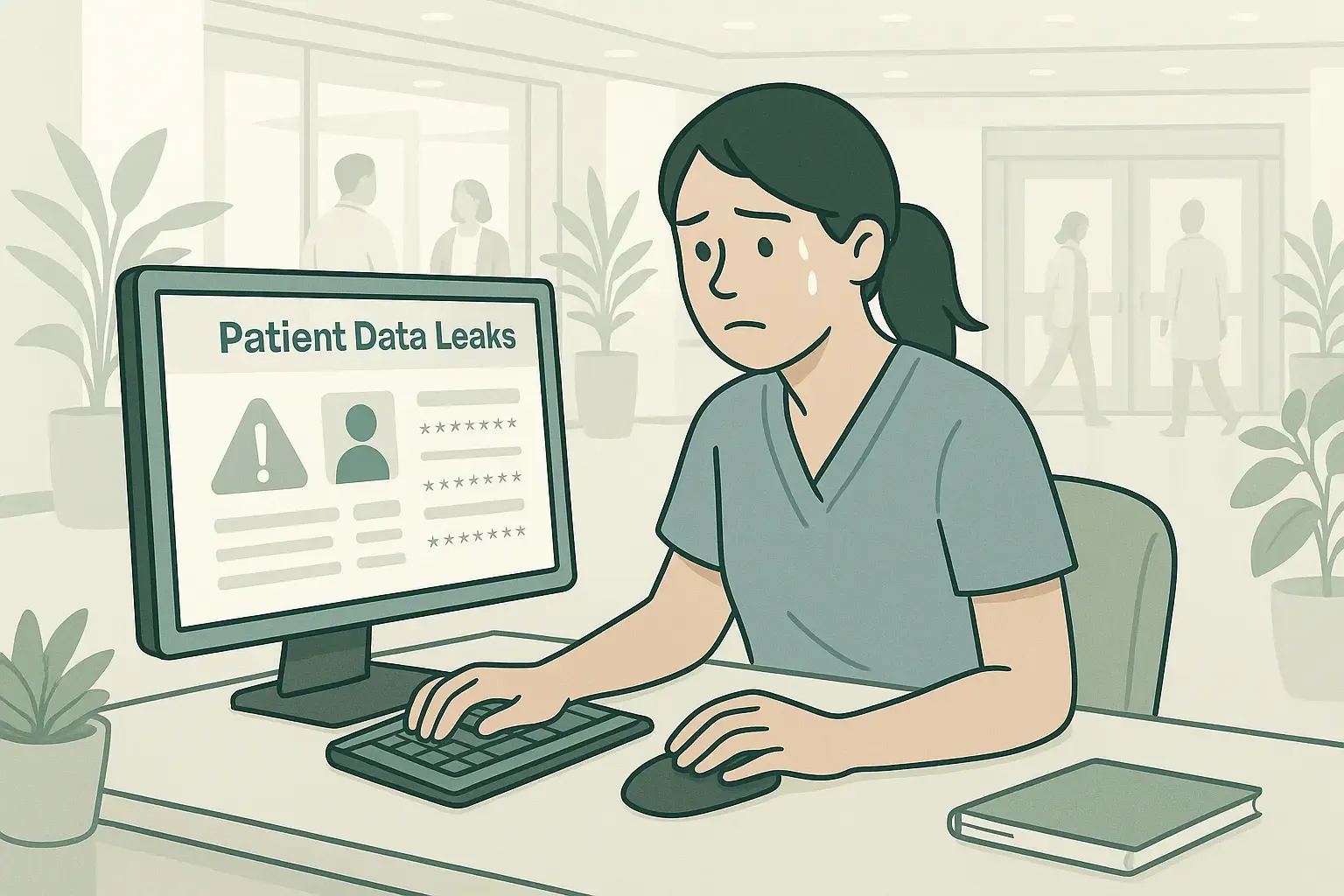
Artificial intelligence is transforming people’s lifestyles and propelling businesses toward smart innovations. Women have greatly benefited from this technology in terms of enhanced health. AI improves care, diagnosis, and treatment for young girls, youth, and older women.
Emerging technologies increase security concerns, especially privacy for health records. Women need the assurance that connecting online for consultation and uploading private healthcare data is secure. Providers must balance AI healthcare innovations with safety, trust, and broad-based access for every woman.
Femtech advancements have reshaped women’s health in many ways. In the past, most women died of cancer due to late detection. Today, AI healthcare innovations help detect cancer at its earliest phase. Maternal health monitoring and personalized fertility care are easier with advanced tech.
Safer web practices improve the benefits of AI healthcare innovations and limit risks. Women’s health apps are good, but developers must provide strong data privacy controls. A reliable privacy engine can help users understand how to protect themselves online which offers valuable insights into cybersecurity for everyday users. Resources like a trusted cyber blog provide helpful information on dealing with spyware, trackers, and controlling app permissions. Knowledge empowers users to take precautions, allowing them to avoid hidden risks.
Innovation is improving access to healthcare, but data protection must be given top priority. There have to be strong data protection laws, and providers must promote transparency. AI systems should work for every woman and fair consent practices should be put in place. Commercialization of data might give women limited control over private data. Creating a balance promotes fairness and removes biases that might cause mistrust.
Privacy concerns with AI in healthcare
Privacy concerns with AI in healthcare have increased in the same way innovation has increased. AI systems are capable of gathering sensitive information in large volumes and storing it. Data leaks, hacking, spying and virus attacks affect every business sector, including women’s healthcare.
Improper handling could expose patient data to many types of threats. Some practitioners might be biased or unfaithful in handling patient data. Some regions might have weak data protection laws, which raises more online security concerns. AI tools like menopause digital tools should help improve health instead of undermining it. Collaborating with experts in genai development services can ensure that such tools are built with robust privacy safeguards and ethical data handling practices.
A look into the latest Femtech advancements
The women’s healthcare sector boasts of the latest Femtech advancements, improving diagnosis and treatment. The latest menopause digital tools and pregnancy care tools are cycle-aware. These tools allow women to track their fertility, menopause, and menstruation.
The current AI healthcare innovations have improved cancer screening, allowing early detection. There are smart menstrual relief devices and hydrated hormone labs for at-home hormone testing. Some tools help test mood; others improve fertility through IVF embryo selection. Personalized maternal health monitoring has never been as real as it is today.
Data privacy concerns that must be addressed
Privacy concerns with AI in healthcare are on the rise and require urgent attention from stakeholders. Attention should come from software developers, healthcare providers, lawmakers, and the women who use these technologies. Data privacy and security concerns requiring attention include the following:
- Allowing consent. Users must consent to data collection, storage, and use by providers and developers. They must be helped to understand the terms, how data is collected and used.
- Handling Femtech apps. Femtech advancements are good, but digital tools might have weak points. These tools store sensitive data like sexual activities, menstrual history, and hormone reports. They require strong privacy protection for users.
- Handling legal aspects. Privacy laws like HIPAA should be strengthened to effectively deal with data misuse issues. Advertisers and insurers might use this data for their own gain without considering consent.
What can be done to protect women’s healthcare data?
Security laws should be strengthened to ensure devices and apps have strong security measures. Online security laws change often, and users should be informed about these changes and allowed to give consent. There should be standardized policies, including laws by GDPR and WHO.
Beyond consumer privacy tips, hospitals and femtech startups need enterprise-grade controls for the AI they build and buy. A practical starting point is enterprise AI security, which outlines the two pillars—using AI to strengthen detection/response and securing AI systems themselves—plus hands-on steps like model and tenant isolation, input/prompt sanitization, sandboxing, and AI-specific posture management. Applying these controls reduces risks from shadow AI, data leakage, and LLM abuse while supporting HIPAA and GDPR obligations.
Women require access to the latest online privacy information, allowing them to understand changing trends. They should be educated about the emerging risks and measures to improve their security. To build digital literacy and responsible practice, professionals and patients can upskill through AI ethics courses and related programs offered in DataCamp’s artificial intelligence curriculum. There should be alternatives to commercial apps, ensuring freedom for women to choose user-centric technology.
What’s next for women and AI healthcare innovations?
AI healthcare innovations should improve diagnosis and care for every woman. They should enjoy accurate detection, faster treatment, and lower costs. These innovations should provide healthcare to remote areas and reach millions of women. Many health issues affect women, including menopause, fertility, and mental health.
Femtech advancements should fill these gaps by delivering highly personalized care. Privacy concerns with AI in healthcare are emerging issues requiring attention. Women must take bold steps towards improving their online security. Software developers and healthcare providers should lead in supporting and promoting cybersecurity for users.
Conclusion
AI is changing women’s healthcare, allowing quick diagnostics, wider access, and personalized care. As healthcare app development increasingly relies on AI, data privacy concerns have grown due to its ability to collect large volumes of sensitive information. Data privacy concerns have increased due to the power of AI to collect large volumes of data. Providers, advertisers, and other stakeholders could misuse data. Stakeholders should promote transparency, ethics and build trust in handling data the right way.