How Therapeutic Photography Helps Women Find Balance
<p>Life today can feel overwhelming, especially for women balancing multiple roles at home, at work, and in society. Stress, anxiety, and burnout are common challenges, and many are searching for…
- Published
- Written by
- Women In Balance Team
- Reading time
- 5 minutes
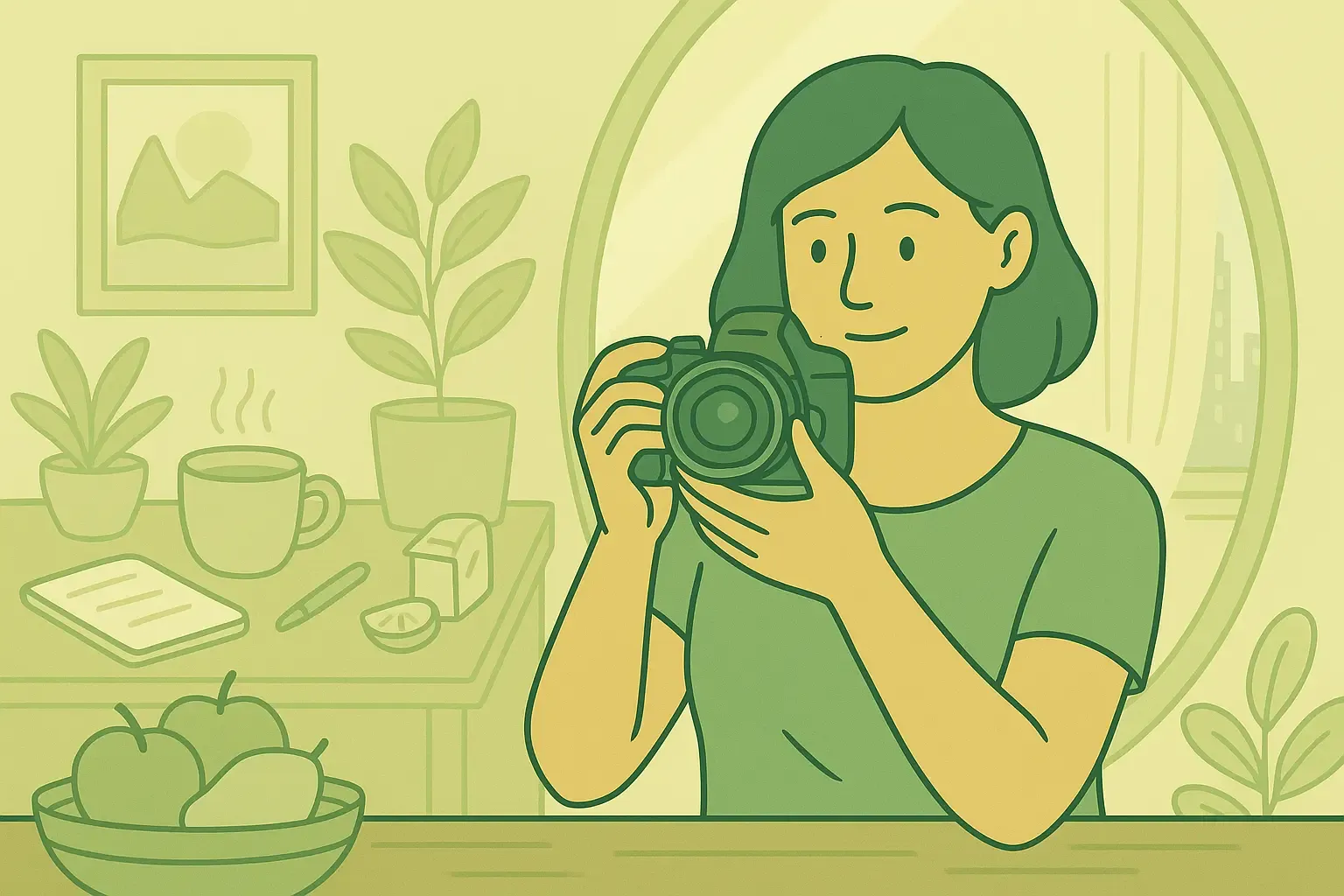
Life today can feel overwhelming, especially for women balancing multiple roles at home, at work, and in society. Stress, anxiety, and burnout are common challenges, and many are searching for ways to restore inner peace and emotional stability. While traditional self-care practices like journaling, meditation, or exercise are widely used, there is another powerful but often overlooked tool: therapeutic photography.
Therapeutic photography is not about creating technically perfect images or being a professional artist. Instead, it focuses on the process of taking and reflecting on photographs as a way to support mental wellness. Through simple exercises, women can use photography to slow down, connect with their emotions, and find balance in daily life.
What Is Therapeutic Photography?
Therapeutic photography is the practice of using photography as a form of self-expression, reflection, and healing. Unlike formal art therapy, which requires working with a licensed therapist, therapeutic photography can be practiced independently. All that’s needed is a camera or even a smartphone, along with an openness to explore thoughts and feelings through images.
The idea is simple: when we take photos intentionally, we pay closer attention to what surrounds us. This mindful act helps us notice beauty, meaning, and emotion in everyday life. The process encourages personal growth, self-discovery, and a deeper connection to ourselves.
“For me, therapeutic photography revealed not only my path as a photographer but also my purpose as a woman,” explains Miami based photographer – Daria Koso. She stresses that while therapeutic photography is not a substitute for professional therapy, it can be a powerful complement. “Images allow us to pause and hold a moment long enough to truly understand it,” she reflects. “When we learn to view our stories with compassion, we begin to choose more consciously how we want to live them.”
The Connection Between Photography and Mental Wellness
Photography can support mental health in several meaningful ways. The act of looking through a lens naturally encourages focus and presence, which are key aspects of mindfulness. By slowing down to notice details — the texture of leaves, the way light falls on a surface, or the emotions in a face — women can redirect their thoughts from worries to the present moment.
Studies on mindfulness and creativity show that engaging with the arts can lower stress, reduce symptoms of anxiety and depression, and improve overall well-being. Photography offers a particularly accessible form of creative practice, since most people already carry a smartphone with them. It doesn’t require a studio, expensive equipment, or prior training — just the willingness to see the world differently.
In this sense, therapeutic photography is not about the final image. Instead, it’s about the journey of creating and reflecting, allowing women to use photography as a tool for emotional awareness and resilience.
Women, Identity, and Self-Expression
Women often face unique pressures that can impact self-esteem and mental health. Expectations to succeed in multiple roles — as professionals, caregivers, partners, and community members — can create feelings of inadequacy or exhaustion. Social media can add to these challenges by presenting unrealistic standards of beauty and lifestyle.
Therapeutic photography can help counter these pressures by offering a safe and personal form of self-expression. Taking photographs of oneself, loved ones, or meaningful objects becomes a way of reclaiming identity and celebrating individuality. It allows women to see themselves not through the lens of comparison, but through the lens of authenticity.
For many, self-portrait exercises become especially powerful. Instead of focusing on flaws, women can use photography to explore their emotions, strengths, and personal growth. Over time, this process builds confidence and helps women reconnect with who they truly are.
Therapeutic Photography Exercises for Everyday Life
The beauty of therapeutic photography lies in its simplicity. Here are some practical exercises that women can integrate into their daily routines:
1. Photo Journaling
Keep a visual diary by capturing one or two photos each day that reflect your emotions, thoughts, or experiences. Over time, this collection becomes a story of personal growth and a reminder of resilience.
2. One Photo a Day
Commit to taking a single photo daily. It could be something small that brings joy, like morning coffee, a flower on the way to work, or a smile from a loved one. The goal is to notice and appreciate moments that might otherwise go unnoticed.
3. Gratitude Portraits
Photograph things, people, or places that spark gratitude. This exercise shifts focus from stress and negativity to positivity and appreciation, helping improve overall mood.
4. Mindful Walks
Take a walk with the sole intention of observing details through your camera. Pay attention to light, colors, textures, or patterns in your surroundings. This practice encourages mindfulness and provides a calming break from routine.
5. Self-Reflection Portraits
Experiment with self-portraits that capture not just your appearance, but your emotions. Use shadows, expressions, and environments to explore how you feel in the present moment. Over time, these portraits can serve as a record of personal growth and self-acceptance.
These exercises don’t require technical skills. What matters is the intention behind the photo and the reflection afterward. Journaling alongside images can make the practice even more effective, allowing deeper insights into emotions and thought patterns.
Real-Life Benefits and Success Stories
Women who practice therapeutic photography often report significant improvements in their mental and emotional health. Some find it helps manage anxiety by providing a calming and creative outlet. Others discover that it strengthens their sense of identity during major life transitions, such as motherhood, career changes, or recovery from illness.
For example, a woman going through postpartum depression might begin a daily photo project focused on small moments of joy with her child. Over time, these images become a powerful reminder of connection and love, even during difficult days. Another example is a professional facing burnout, who uses mindful walks with her camera as a way to decompress and reset between work demands.
While therapeutic photography is not a substitute for professional mental health care, it can be a valuable supplement. It empowers women to take an active role in their well-being by blending creativity with self-awareness.
Finding Balance Through the Lens
Finding balance in today’s fast-paced world is not easy, but it is possible when women embrace practices that nurture both creativity and mental wellness. Therapeutic photography offers an accessible and meaningful way to slow down, express emotions, and reconnect with one’s inner self.
Through simple exercises like photo journaling, mindful walks, and gratitude portraits, women can use photography as a tool to cultivate peace, confidence, and resilience. It doesn’t take expensive equipment or artistic training — only the willingness to see and capture life in new ways.
By making therapeutic photography part of everyday self-care, women can discover not only a creative outlet but also a path toward greater balance and emotional well-being.