Understanding How Hormones Affect Confidence and Intimacy
<p>Hormones quietly run the show in our bodies. They influence how we feel about ourselves, how connected we feel to our partners, and even how comfortable we are in our own skin. When these chemical…
- Published
- Written by
- Women In Balance Team
- Reading time
- 3 minutes
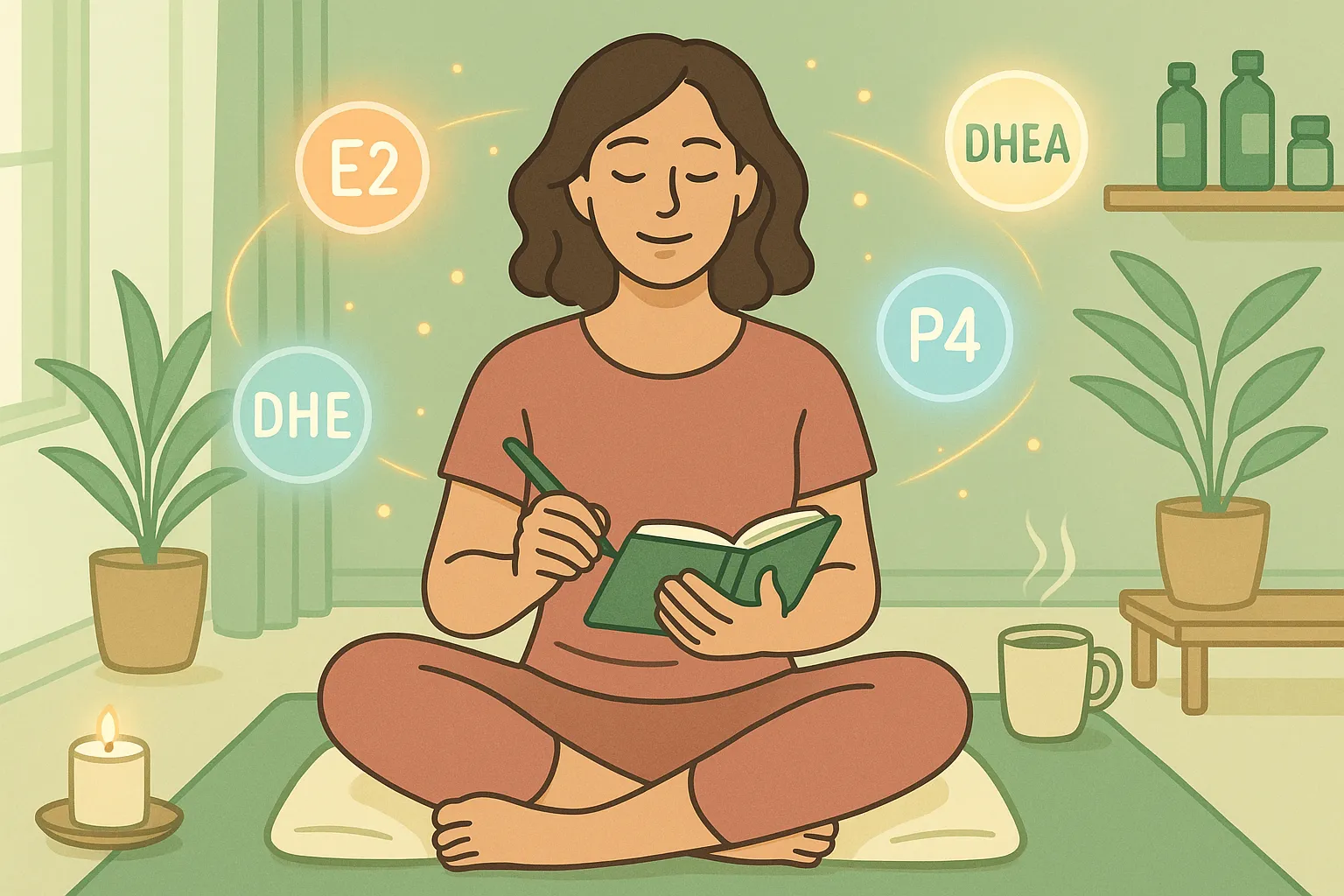
Hormones quietly run the show in our bodies. They influence how we feel about ourselves, how connected we feel to our partners, and even how comfortable we are in our own skin. When these chemical messengers fall out of balance, it’s not just physical symptoms that show up; our confidence, mood, and intimacy can all take a hit. Understanding the role hormones play in emotional and sexual well-being can make it easier to find solutions and feel more like yourself again.
The Link Between Hormones and Confidence
Confidence isn’t just a mindset; it’s also a hormonal response. Estrogen, testosterone, and cortisol are some of the key players that affect how we feel socially, emotionally, and even sexually.
- Estrogen helps regulate mood by influencing serotonin, the brain chemical often called the “feel-good hormone.” When estrogen dips, as it does during menopause or certain times of the menstrual cycle, women may experience lower self-esteem, anxiety, or irritability.
- Testosterone, though usually linked with men, plays an important role in women’s lives too. Low testosterone levels can lead to fatigue, reduced motivation, and even a lack of drive in both personal and professional areas.
- Cortisol, the stress hormone, can make us feel jittery and insecure when levels are high. Chronic stress can tip the hormonal scales and chip away at confidence.
In fact, research shows that hormonal imbalances are strongly connected to changes in mental health, and nearly 1 in 8 women will experience depression at some point in her life due in part to hormonal fluctuations.
How Hormones Affect Intimacy
Hormones influence not only how we feel about ourselves but also how we connect with our partners. Intimacy is built on trust, attraction, and comfort, all of which are shaped by hormonal health.
Oxytocin, known as the “bonding hormone,” is released during moments of closeness like hugging, cuddling, or sexual activity. It strengthens emotional bonds and deepens intimacy. Estrogen and progesterone also play roles in libido and sexual satisfaction. When levels of these hormones drop, desire and comfort in intimate relationships may decline as well.
For women experiencing low sexual desire, new treatments like PT-141 (Bremelanotide) have shown promise. Unlike other therapies that work on hormones directly, PT-141 works on the nervous system to boost arousal.
Signs Hormonal Imbalance May Be Affecting You
It can sometimes be difficult to tell whether intimacy or confidence struggles are “in your head” or tied to your hormones. Common signs that hormones may be playing a role include:
- Sudden mood swings or irritability
- Unexplained fatigue or low energy
- Decreased interest in intimacy
- Difficulty sleeping
- Weight fluctuations or changes in appetite
- Anxiety or feelings of low self-worth
If several of these symptoms sound familiar, it may be worth discussing with a healthcare provider who specializes in hormonal health.
Lifestyle Habits That Support Balance
The good news is, there are steps you can take every day to support your body’s natural balance. Hormones thrive on routine and stability, and small adjustments can make a meaningful difference.
Here are some habits that help:
- Prioritize sleep: Aim for 7–9 hours to allow your body to reset hormone production.
- Eat balanced meals: Include healthy fats, protein, and fiber to stabilize blood sugar.
- Manage stress: Yoga, meditation, and deep breathing can keep cortisol levels in check.
- Stay active: Regular movement supports healthy levels of estrogen and testosterone.
- Seek connection: Physical touch and social bonding release oxytocin naturally.
These lifestyle adjustments may not replace medical support, but can certainly complement it.
When to Seek Help
It’s important to remember that low confidence or intimacy struggles aren’t always just about mindset; they can be biological too. If symptoms are persistent or affecting your quality of life, hormone testing may offer clarity. Specialists can recommend tailored treatments ranging from lifestyle support to bioidentical hormone replacement therapy.
Every woman’s journey with hormones is different, and there’s no “one-size-fits-all” solution. A compassionate healthcare provider can help uncover the root cause and guide you toward balance.
Final Thoughts
Hormones are the silent architects of our mood, energy, confidence, and intimacy. When they’re in sync, we often feel grounded, empowered, and connected. But when they shift out of balance, they can affect everything from how we see ourselves to how we show up in relationships.
Paying attention to the signals your body sends, whether it’s fatigue, stress, or changes in desire, can be the first step toward restoring balance. By seeking support and making intentional lifestyle choices, women can rebuild confidence, strengthen intimacy, and feel more at home in their own skin.