Vein Health in Women: Understanding, Preventing, and Treating Varicose Veins
<p>Vein health is an essential yet often overlooked aspect of women’s overall well-being. While conditions like varicose veins or spider veins may seem primarily cosmetic, they are often indicators…
- Published
- Written by
- Women In Balance Team
- Reading time
- 5 minutes
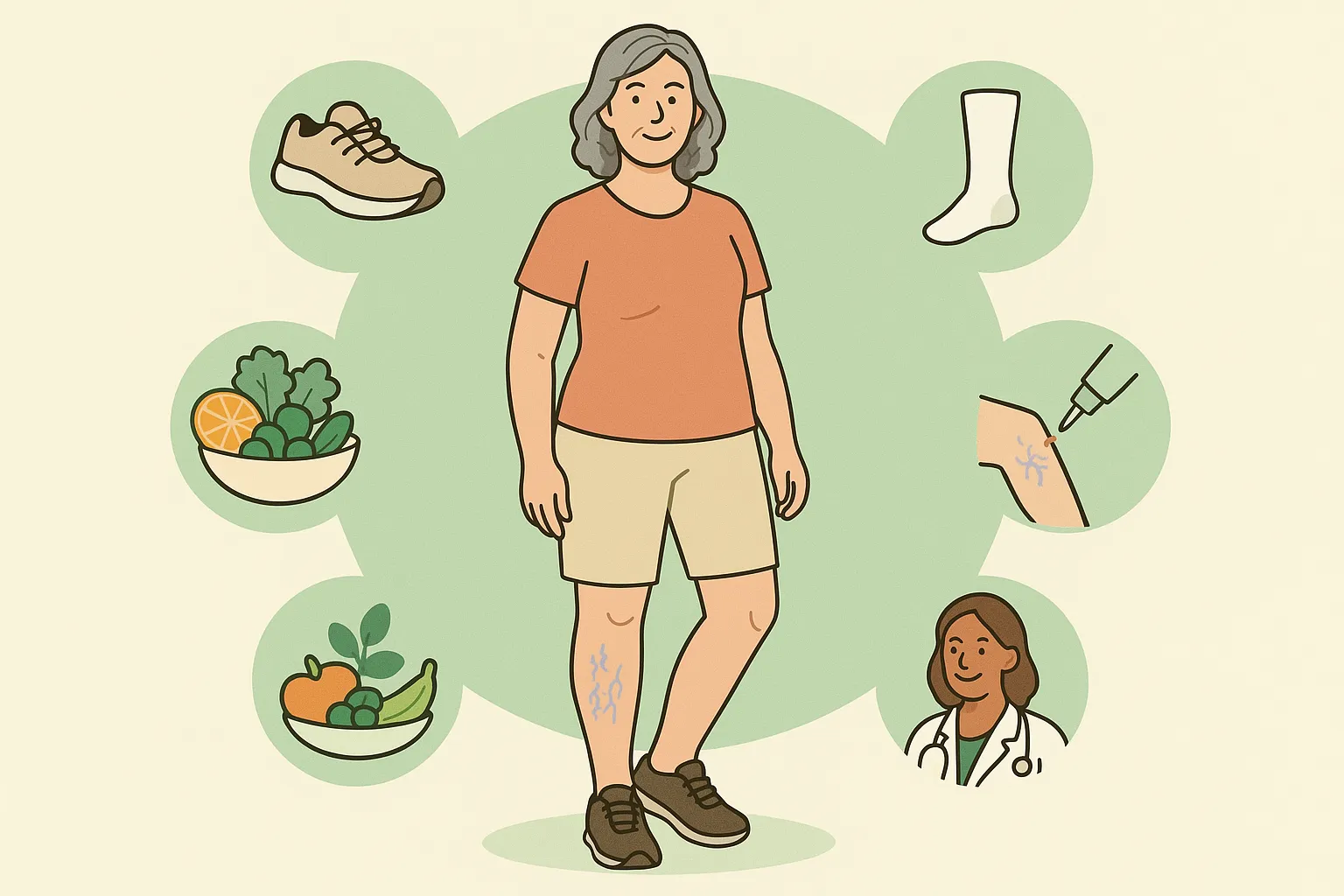
Vein health is an essential yet often overlooked aspect of women’s overall well-being. While conditions like varicose veins or spider veins may seem primarily cosmetic, they are often indicators of underlying circulation issues that can impact quality of life. For many women, vein-related conditions can cause discomfort, swelling, pain, or even long-term complications if left untreated. Understanding how veins function, why women are more prone to vein issues, and what options are available for care is vital for maintaining both comfort and health.
For those experiencing symptoms or seeking guidance on maintaining healthy circulation, professional Vein Treatment in Texas provides specialized care tailored to women’s unique needs.
Why Women Are More Prone to Vein Problems
While both men and women can experience vein conditions, women are disproportionately affected. Several biological, hormonal, and lifestyle factors contribute to this difference:
1. Hormonal Fluctuations
Estrogen and progesterone, two hormones that play key roles in women’s reproductive health, also affect blood vessels. These hormones relax vein walls, making them more prone to dilation and weakening. Events like pregnancy, menstruation, and menopause all involve hormone fluctuations that can impact vein health.
2. Pregnancy and Vein Pressure
Pregnancy is one of the most significant contributors to vein problems in women. The increased blood volume needed to support a growing fetus puts added pressure on the veins. Additionally, the weight of the uterus can compress pelvic veins, reducing efficient circulation and leading to varicose veins in the legs.
3. Genetics and Family History
Women with a family history of varicose veins or other venous conditions are at greater risk of developing them. Genetic predisposition often dictates vein wall strength and valve function, both critical for healthy blood flow.
4. Lifestyle Factors
Modern lifestyles, such as sitting at desks for long hours, wearing high heels, or not engaging in enough movement, can further exacerbate vein issues. Lack of exercise reduces circulation, while certain types of footwear and clothing can restrict blood flow.
Common Vein Conditions in Women
Understanding the types of vein issues women may face is the first step toward treatment and prevention.
Varicose Veins
These are enlarged, twisted veins that often appear blue or purple and are most commonly found in the legs. Beyond their appearance, they may cause:
- Leg pain or heaviness
- Swelling in ankles or calves
- Restless legs, especially at night
- Skin changes or itching around the vein
Spider Veins
Smaller than varicose veins, spider veins are thin red, blue, or purple lines that spread like a web across the skin’s surface. Though often painless, they can cause cosmetic concerns and signal underlying circulation issues.
Chronic Venous Insufficiency (CVI)
This occurs when the valves in the veins don’t function properly, allowing blood to pool in the legs. CVI can lead to long-term complications such as skin discoloration, ulcers, and persistent swelling.
Symptoms Women Should Not Ignore
While vein issues may start small, certain symptoms should never be ignored:
- Persistent leg pain, cramping, or throbbing
- Swelling in the ankles or feet that worsens throughout the day
- Burning or itching along visible veins
- Skin darkening or ulcers near the ankles
Early diagnosis and treatment are key to preventing complications and ensuring better long-term vein health.
How Women Can Protect Their Vein Health
The good news is that many lifestyle choices and preventive strategies can significantly improve vein health and reduce risks.
1. Stay Physically Active
Exercise is one of the most effective ways to support vein health. Activities like walking, swimming, or yoga improve circulation and strengthen calf muscles, which act as a “pump” for blood flow in the legs.
2. Maintain a Healthy Weight
Excess weight adds pressure on the legs and veins, increasing the likelihood of varicose veins. Balanced nutrition combined with regular physical activity helps reduce this burden.
3. Wear Compression Stockings
For women who spend long hours standing or sitting, compression stockings can help. They gently squeeze the legs, improving blood flow and reducing swelling.
4. Avoid Prolonged Sitting or Standing
Taking short breaks to walk or stretch prevents blood from pooling in the legs. Even flexing the ankles while sitting at a desk can aid circulation.
5. Choose Comfortable Clothing and Shoes
Tight clothing around the waist or legs can restrict circulation, while high heels can interfere with proper calf muscle function. Flats or supportive shoes promote better blood flow.
6. Elevate Your Legs
Whenever possible, elevating the legs above heart level for 15–20 minutes can encourage blood flow back to the heart and reduce swelling.
7. Prioritize Nutrition
A diet rich in fiber, antioxidants, and hydration supports vein health. Foods like leafy greens, berries, citrus fruits, and whole grains improve circulation and vascular strength.
The Role of Professional Vein Treatment
While lifestyle changes are powerful, some women may still develop vein conditions that require medical care. Fortunately, advances in vein treatment mean options are less invasive, more effective, and quicker to recover from than ever before.
Minimally Invasive Procedures Include:
- Endovenous Laser Treatment (EVLT): Uses laser energy to close off damaged veins.
- Radiofrequency Ablation: Similar to EVLT, but uses radiofrequency energy.
- Sclerotherapy: Involves injecting a solution into spider or smaller varicose veins to collapse them.
- Microphlebectomy: Removes larger surface veins through tiny incisions.
These procedures are typically outpatient, require little downtime, and provide long-lasting relief from both symptoms and cosmetic concerns.
The Emotional Impact of Vein Health
It’s important to acknowledge the emotional and psychological effects of vein issues on women. Visible varicose or spider veins can cause self-consciousness, impacting self-esteem and confidence. When combined with physical discomfort, the toll can be significant.
Seeking treatment not only addresses health concerns but can also improve quality of life, restoring confidence and helping women feel more comfortable in their own skin.
Vein Health Across Different Life Stages
Young Women
Even in early adulthood, women can experience vein issues due to genetics, contraceptive use, or lifestyle factors. Awareness and preventive care can minimize risks later in life.
During Pregnancy
Expectant mothers should take special precautions to reduce vein strain caused by increased blood volume and pressure from the growing uterus. Wearing support stockings for pregnant women can significantly improve circulation, reduce leg swelling, and help prevent varicose veins. Light exercise, frequent leg elevation, and avoiding prolonged standing or sitting further support healthy blood flow during pregnancy.
Midlife and Beyond
Menopause brings hormonal changes that increase the likelihood of vein conditions. At this stage, regular checkups and proactive treatment become even more important.
Conclusion: Prioritizing Women’s Vein Health
Vein health is more than a cosmetic concern; it’s a vital part of women’s overall well-being. By understanding risk factors, recognizing early symptoms, and making healthy lifestyle choices, women can significantly reduce their chances of developing serious vein problems.
And for those already experiencing symptoms, professional care is available. Seeking expert Vein Treatment in Texas ensures that women receive compassionate, effective, and advanced solutions for maintaining strong vein health at every stage of life.
Taking care of your veins isn’t just about comfort; it’s about preserving mobility, energy, and confidence for years to come.