What Every Working Woman Should Know About Managing Daily Stress
<p>Women juggle myriad responsibilities daily, from career demands to family obligations. As a result, the stress that accompanies these roles can be overwhelming. Understanding stress management…
- Published
- Written by
- Women In Balance Team
- Reading time
- 5 minutes
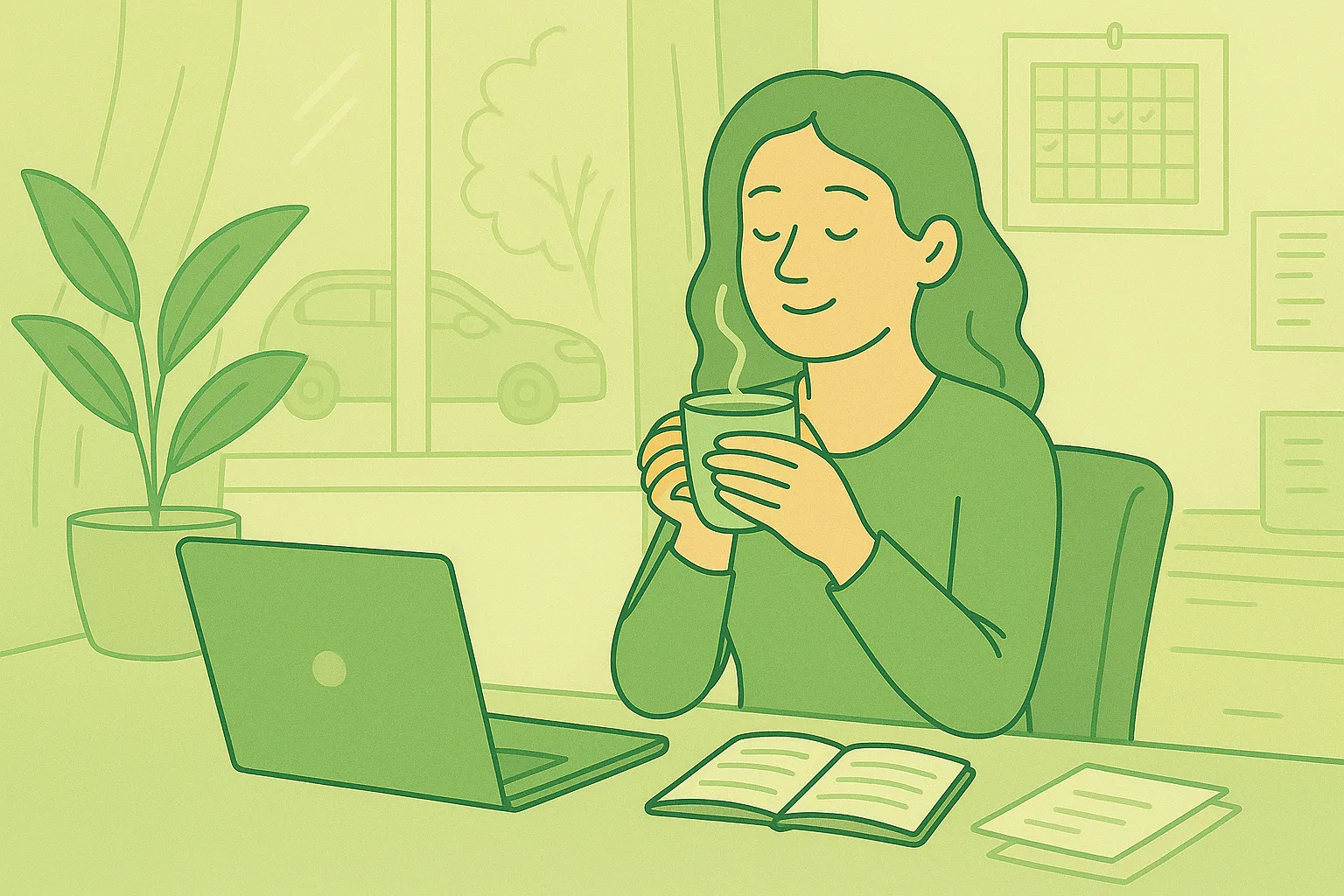
Women juggle myriad responsibilities daily, from career demands to family obligations. As a result, the stress that accompanies these roles can be overwhelming.
Understanding stress management techniques tailored specifically for working women is crucial for maintaining a sense of balance and well-being. The ability to prioritize self-care, time management, and effective communication can make a significant difference in how women navigate their professional environments while preserving their mental and emotional health.
Understanding the Sources of Daily Stress
Identifying the sources of stress is the first step towards effective management. Many working women face multiple stressors that stem from workplace expectations, family responsibilities, and societal pressures.
Factors such as tight deadlines, demanding supervisors, and high-stakes projects can contribute to heightened stress levels. Balancing child care, household duties, and other responsibilities can leave women feeling stretched thin.
Research indicates that women are more likely to experience stress-related health issues than men, which highlights the significance of addressing these stressors proactively. Stressors impact mental health and lead to chronic conditions if left unaddressed. Regularly assessing one’s stress levels and the underlying causes can empower women to take actionable steps towards managing their circumstances effectively.
Financial Wellness and Its Role in Stress Management
Financial pressures are among the most persistent sources of stress for working women. It often influences both emotional well-being and workplace performance.
Concerns such as paying bills, managing debt, or saving for future goals can create a constant mental load that spills into other areas of life. Unresolved financial stress can deepen the personal life impact on your professional life by increasing anxiety and making it harder to concentrate, perform, and maintain balance. Establishing healthy financial habits, such as creating a realistic budget, building an emergency fund, or seeking guidance from a financial advisor, can provide a stronger sense of control.
Workplace initiatives like financial wellness programs or salary transparency can play an important role in reducing money-related stress. By strengthening financial confidence, women gain practical stability and the mental clarity needed to thrive in all aspects of life.
Effective Time Management Strategies
Time management is important for reducing daily stress. Women, who often take on multiple roles, can feel overwhelmed without a structured schedule. Utilizing techniques like the Pomodoro Technique or time blocking can increase productivity and facilitate focus. Breaking tasks into smaller, manageable portions allows for a sense of accomplishment, which, in turn, can reduce stress levels.
Prioritizing tasks by urgency and importance ensures that key responsibilities are addressed first. Delegating responsibilities, whether at work or home, can alleviate the pressure that many women face.
Whether it involves sharing household chores with family members or collaborating with colleagues, sharing the load can lead to a more balanced life. Recognizing what tasks can be left for later and when it’s beneficial to seek assistance can significantly enhance time management skills.
Building a Support Network
A strong support network is vital for stress management. Engaging with other women who face similar challenges can provide a sense of camaraderie and understanding.
Whether participating in professional organizations, joining support groups, or simply talking with friends and family, sharing experiences helps validate one’s feelings and fosters a supportive environment. Mentors can play a crucial role by offering guidance and encouragement, helping women navigate their careers while managing stressors more effectively.
Such networks can serve as resources for advice on balancing work-life demands. Advice shared within these groups often translates into practical strategies, motivating women to implement changes in their lives that align with their personal and professional goals. Having these relationships helps example, empowering women to manage stress and build long-lasting connections crucial for career advancement.
The Importance of Self-Care
In the pursuit of professional success, self-care is frequently neglected. It is vital for managing stress effectively. Taking time to recharge physically, emotionally, and mentally can enhance productivity and prevent burnout.
Practices such as regular exercise, mindfulness, and adequate sleep contribute to well-being. Studies suggest that engaging in physical activity can reduce anxiety and depression, and merely allocating some time for relaxation can improve focus and motivation.
Fostering hobbies outside of work can be a great way to relieve stress and boost creativity. Whether it’s painting, gardening, or reading, finding joy in hobbies can provide an escape and a sense of achievement. Women should prioritize self-care as a non-negotiable part of their routine, setting boundaries to create space for personal fulfillment.
Setting Boundaries for a Healthy Work-Life Balance
Establishing clear boundaries between work and personal life is crucial for effective stress management. With the increasing prevalence of remote work, many women find it challenging to disconnect from job responsibilities.
Setting specific work hours and communicating these boundaries with employers and colleagues can make a significant difference in reducing stress. It is important to designate an area at home that is exclusively for work, creating a physical and mental separation from home life.
Learning to say no is a powerful skill. Women, in particular, often struggle with overcommitting due to societal pressures or fear of disappointing others.
Practicing assertiveness and recognizing one’s limits are important steps in maintaining balance. By doing so, women protect their well-being and uphold standards of quality by spending their time on commitments that truly matter.
Pursuing Professional Development
Engaging in professional development boosts career prospects and enhances psychological resilience. Women should seek out opportunities to develop new skills, advance their education, and participate in industry conferences or workshops.
Continuous learning can foster confidence and create a sense of purpose that reduces the likelihood of feeling overwhelmed. Stagnation can lead to stress and dissatisfaction, making ongoing professional development an integral strategy for stress management.
Organizations should encourage and support women in their professional growth journey. By investing in training programs specifically designed for women, companies can create an environment that supports career advancement while alleviating the pressures encountered in male-dominated environments. A commitment to professional development paves the way for women to face challenges with increased assurance.
Taking strategic steps towards managing stress is crucial for every working woman. By understanding stressors, leveraging technology, refining time management skills, nurturing support systems, and prioritizing self-care, women can effectively lessen the impact of stress on their personal and professional lives. This holistic approach can empower women, enhancing their productivity and their sense of fulfillment.