What Leads to Hair Loss Among Women
<p>Hair loss in women can be emotionally distressing and often feels like an unexpected challenge. Unlike the more commonly discussed male-pattern baldness, female hair thinning tends to happen in…
- Published
- Written by
- Women In Balance Team
- Reading time
- 5 minutes
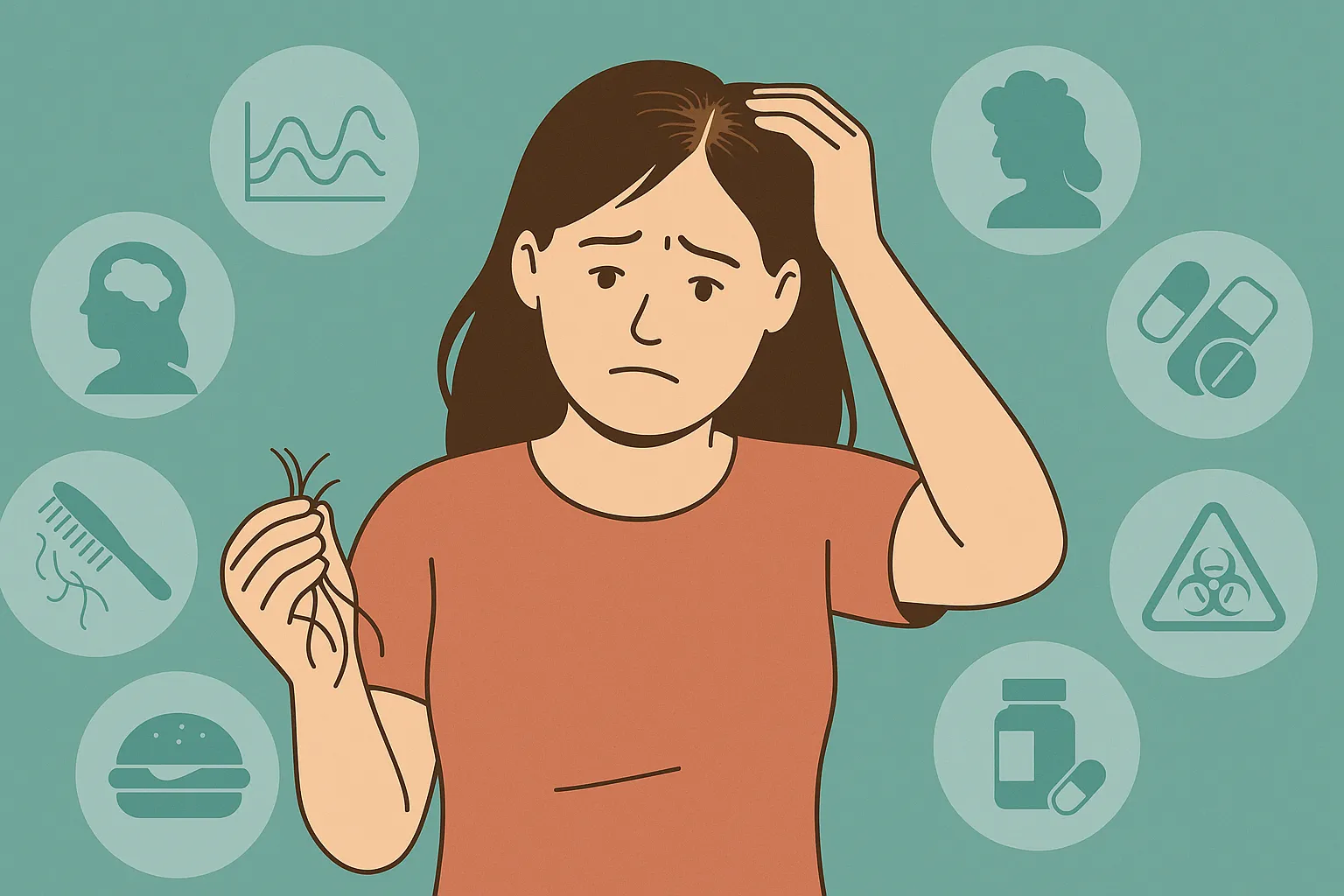
Hair loss in women can be emotionally distressing and often feels like an unexpected challenge. Unlike the more commonly discussed male-pattern baldness, female hair thinning tends to happen in more diffuse and less obvious patterns. Many women feel blindsided by hair shedding, especially when the cause isn’t immediately clear.
Whether gradual or sudden, hair loss can impact self-esteem and influence day-to-day confidence. Understanding what contributes to this issue helps women take control of their hair health and seek timely support. Multiple lifestyle and medical factors contribute to changes in hair growth, and recognizing these causes plays a key role in developing an effective response.
Hormonal Changes Can Disrupt Hair Growth
Hormones influence many aspects of the body, and hair health is no exception. One of the most common triggers for hair loss among women involves hormonal fluctuations. This can occur during pregnancy, after childbirth, during menopause, or due to thyroid dysfunction.
The drop in estrogen levels after pregnancy can lead to postpartum shedding. Although temporary, this experience feels unsettling for many new mothers. Similarly, perimenopause and menopause reduce estrogen and progesterone, which can shift hair into a thinner, weaker phase. An underactive or overactive thyroid gland affects hormone balance, too, resulting in hair loss until hormone levels are corrected.
Speaking with a healthcare provider helps determine if hormones contribute to the problem. Bloodwork and proper diagnosis are key in addressing hormonal triggers efficiently.
Stress Plays a Bigger Role Than Most Expect
Chronic stress creates long-lasting imbalances in the body. When a person remains under physical or emotional stress for an extended period, the body can redirect energy and nutrients away from non-vital functions like hair growth.
The result is a condition called telogen effluvium, where hair prematurely enters a resting phase and falls out in larger amounts. Women juggling caregiving responsibilities, demanding careers, or emotional upheaval often experience these symptoms.
Managing stress through therapy, exercise, and rest often improves overall well-being and may help stabilize hair growth. Identifying stress early gives women the power to make lifestyle adjustments before more permanent hair thinning sets in.
Nutritional Deficiencies Can Starve Hair Follicles
Hair needs fuel to grow, just like every part of the body. When nutrients are lacking, the scalp and follicles suffer. Deficiencies in iron, vitamin D, zinc, and B vitamins are commonly linked to hair thinning and increased shedding.
Many women unintentionally restrict these nutrients through dieting, particularly when skipping meals or following low-calorie plans. Vegetarian and vegan diets require additional planning to ensure iron and B12 needs are met. Poor digestion or absorption issues due to conditions like celiac disease or Crohn’s may also prevent the body from getting enough vital nutrients.
A diet rich in leafy greens, lean proteins, healthy fats, and a wide variety of fruits and vegetables supports hair health. A nutritionist or primary care doctor can help identify and correct underlying deficiencies through blood tests and targeted supplements.
Hairstyling Habits Might Be Causing Damage
Certain styling techniques can gradually wear down hair and lead to hair loss. Tight ponytails, braids, or buns cause repeated tension on hair roots, which may result in traction alopecia. This type of hair loss damages the follicle and, in some cases, becomes irreversible.
Excessive heat styling through flat irons and curling wands weakens hair structure. Chemical treatments like relaxers, bleach, or dyes strip hair of its protective layer, making it more vulnerable to breakage. Even how often someone brushes their hair or the type of brush they use can matter.
Increased shedding might stem from something less obvious, like poorly ventilated wigs or extensions. When worn too frequently or too tightly, wigs can pull at the scalp and result in irritation. You might begin to notice increased hair loss from your wig during removal or cleaning, especially if the cap lacks proper airflow. It’s important to alternate styles, avoid excessive tension, and give the scalp time to breathe.
Certain Medical Conditions Contribute to Hair Loss
Hair loss can signal an underlying medical issue. Autoimmune conditions such as alopecia areata attack the body’s hair follicles, causing unpredictable patches of baldness. Polycystic ovary syndrome (PCOS) disrupts hormone levels and can cause thinning, especially near the temples or crown of the scalp.
Lupus and rheumatoid arthritis can also cause inflammation in the scalp and interfere with healthy hair growth. Women experiencing other symptoms like fatigue, joint pain, or menstrual irregularities should not dismiss hair loss as an isolated concern.
Getting an accurate diagnosis through medical evaluation ensures the underlying issue receives appropriate care. Hair loss caused by systemic illness often improves when the root cause is managed.
Medications May Be an Overlooked Cause
Many women don’t realize that hair loss can be a side effect of prescription medications. Drugs used to treat high blood pressure, acne, cholesterol, mood disorders, and autoimmune diseases all include hair thinning among their possible effects.
The body may interpret some medications as a stressor or disrupt normal cycles of hair growth. Chemotherapy, known for aggressive hair loss, is the most well-known example, but less obvious culprits exist. Birth control pills can lead to hormonal shifts when started or stopped, affecting the hair’s texture and density.
Always speak to a doctor before adjusting or discontinuing a prescribed medication. In some cases, alternatives exist that won’t impact hair as severely.
Genetic Patterns Can Influence Hair Thinning
Female-pattern hair loss, or androgenetic alopecia, follows a genetic predisposition. It usually presents as a gradual thinning across the crown and part line. Unlike male-pattern baldness, it rarely leads to complete baldness, but can still cause significant volume loss.
This type of hair loss usually progresses slowly and begins in middle age, although it can appear earlier. A dermatologist can often recognize this pattern quickly and recommend topical treatments, such as minoxidil, or other interventions that preserve current hair and encourage regrowth.
Genetic hair loss often requires long-term management. Early intervention can help slow progression and support better outcomes.
Environmental Factors Affect the Scalp and Follicles
Pollution, water quality, and sun exposure can all influence the health of the scalp and hair. Harsh weather or exposure to chlorine in pools can dry out the scalp and weaken hair shafts. Hard water with high mineral content may create residue buildup that interferes with hair shine and manageability.
Women who spend time in industrial or urban environments might face greater exposure to airborne pollutants, which clog pores and reduce scalp circulation. Using protective treatments like clarifying shampoos, hats, or scalp exfoliants helps maintain scalp health in challenging environments.
Hair loss in women results from a combination of internal and external factors. Hormones, stress, poor nutrition, medical conditions, and daily styling choices all play a role. While hair shedding might start subtly, taking early steps to identify and manage the root causes helps protect long-term hair health.
Women shouldn’t hesitate to seek guidance when hair changes occur. A thoughtful and well-rounded approach often leads to improved outcomes and a restored sense of confidence. By understanding what leads to hair thinning, you can regain control of your health and create a personalized path toward recovery.