When Women’s Health Concerns Go Ignored: Recognizing the Signs of Medical Negligence
<p>Historically, the needs of women have always been put on hold. There’s always someone else’s needs to consider first, whether it’s your children, your husband, or your elderly parents. And, when…
- Published
- Written by
- Women In Balance Team
- Reading time
- 4 minutes
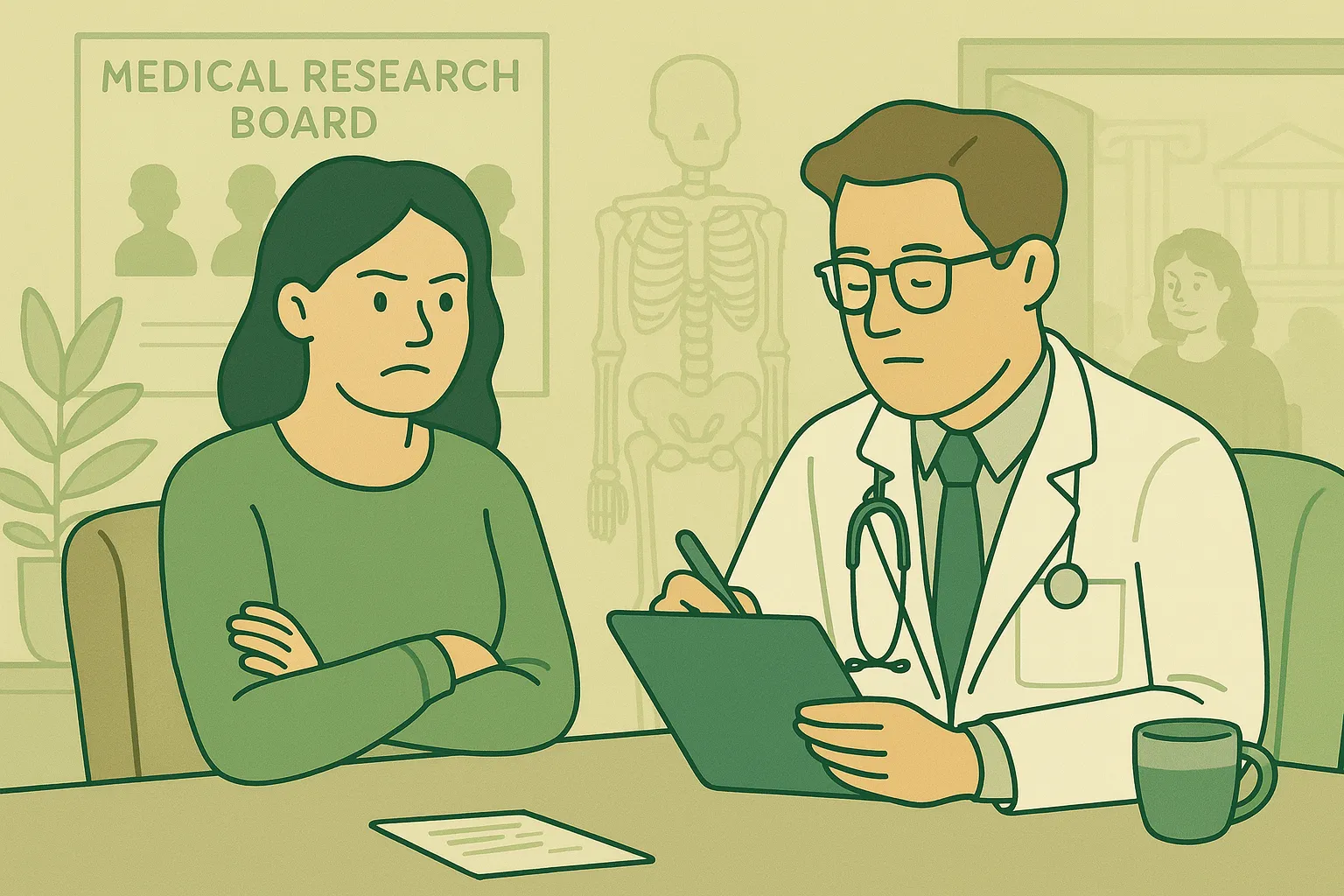
Historically, the needs of women have always been put on hold. There’s always someone else’s needs to consider first, whether it’s your children, your husband, or your elderly parents. And, when the time finally comes to take care of your own health, you learn that doctors (some of them, at least) treat you the same.
It’s not just doctors. Science also seems to think of women as smaller men with different reproductive organs and mood swings. Most medical studies have been heavily male-dominated, which has led to a gender data gap that, yet again, puts women at a disadvantage.
But things are starting to change. Due to wide access to information and social media, women’s voices are finally getting loud enough for the medical community to take measures. It’s slow and frustrating, but we need to move forward.
While studies that properly consider women as human beings may take a while, you can learn how to recognize medical negligence and stand up for yourself.
How to Recognize Medical Negligence
First, let’s have a look at what the recent data is saying:
- Women and racial/ethnic minorities are 20–30% more likely than white men to be misdiagnosed.
- Women have a 50% higher chance than men of receiving the wrong initial diagnosis after a heart attack.
- Endometriosis diagnosis is delayed an average of 6.6 years globally, and is one of the most ignored conditions that affects women.
Sadly, the list can go on, as many other recent studies show the same trend. Because women have not been included in medical trials and research, modern medicine and medical personnel are not prepared to provide proper care.
Fortunately, more doctors and healthcare professionals take the initiative to learn and inform the scientific community and the public about this egregious blind spot. Yet, having a medical degree doesn’t mean you are open-minded enough to accept change. Some doctors, including OB/GYNs, are stuck in their ways, which can lead to medical negligence and even malpractice.
Yet, how do you, as a patient, know how to identify the good doctors who will walk the extra mile to understand your needs from the ones who will tell you that pain is normal during your period?
Here are a few signs to watch out for:
- You don’t feel like they listen to you. A doctor who frequently interrupts, dismisses your concerns, or seems disengaged is not the kind of person you want to put in charge of your health.
- They are rushing you. Yes, most doctors only have 15 to 20 minutes per patient, but you shouldn’t feel like you’re on an assembly line. If you don’t have the time to open your mouth before you’re on the examination table, it may be time to seek a second opinion.
- You don’t understand them. Medicine is filled with technical terms that most regular people don’t understand. But doctors know this and must be able to communicate diagnosis and treatment options using simple, easy-to-understand terms.
- They don’t answer your questions, or you don’t feel comfortable asking. When it comes to your health, there are no stupid questions, and you shouldn’t be made to feel uncomfortable for asking anything, no matter how obvious the answer may be.
- They lack empathy: A cold and condescending doctor can’t make their patients open up about their issues. After all, Dr. House was a fictional character for a reason.
What You Can Do About It
In an ideal scenario, if you’re not happy with a medical professional, you should be able to find a better-prepared one. But reality is not ideal, nor is our medical system.
In many situations, the doctor you have can be your only option. Still, this doesn’t mean you have to put up with medical negligence.
While you can’t do much about bad bedside manners, if you suspect you’ve been misdiagnosed, purposefully ignored, or that you’ve been recommended unnecessary tests and treatment, it’s best to consult a local legal professional.
If you live in a big city, like New York, it’s easy to find an experienced medical malpractice lawyer, but the situation changes if you’re in a remote area. In this case, look for a law firm that offers online consultations and has worked on similar cases.
Medical malpractice cases are complex, and the legal and medical issues involved are beyond the scope of someone without legal training. A specialized lawyer can assess your case, guide you through the process, and handle communication with the healthcare provider’s legal team or insurance company.
What You Can Claim Damages For
More often than not, we are gaslighted into thinking that a bad medical experience doesn’t warrant legal action. After all, you’re not the only woman who has been sent home in excruciating pain because they were “too dramatic” or because the “cervix has no nerves”.
So, before you let things slide, know that a good lawyer can help you claim damages for a wide range of things, such as:
- Medical expenses: This includes past, current, and future medical costs resulting from the negligence, such as hospital stays, additional surgeries, and medication.
- Lost wages: You may be compensated for any income you have lost or will lose due to your injuries.
- Pain and suffering: Covers the physical and emotional distress you have endured.
- Loss of quality of life: This accounts for the ways in which your injury has impacted your ability to live your life as you did before, such as an inability to enjoy hobbies, work, or care for your family.
Wrap Up
The time to speak up and hold our ground is now. As we talk more about these issues and make everyone in our lives aware of this, things will change for the better. Until then, be very clear that you’re not interested in being mistreated.