Why More People Are Seeking Support for Emotional Well-Being
<p>Have you ever felt overwhelmed by stress, sadness, or just the challenges of daily life? You’re not alone. In today’s fast-moving world, people of all ages are becoming more aware of how emotions…
- Published
- Written by
- Women In Balance Team
- Reading time
- 5 minutes
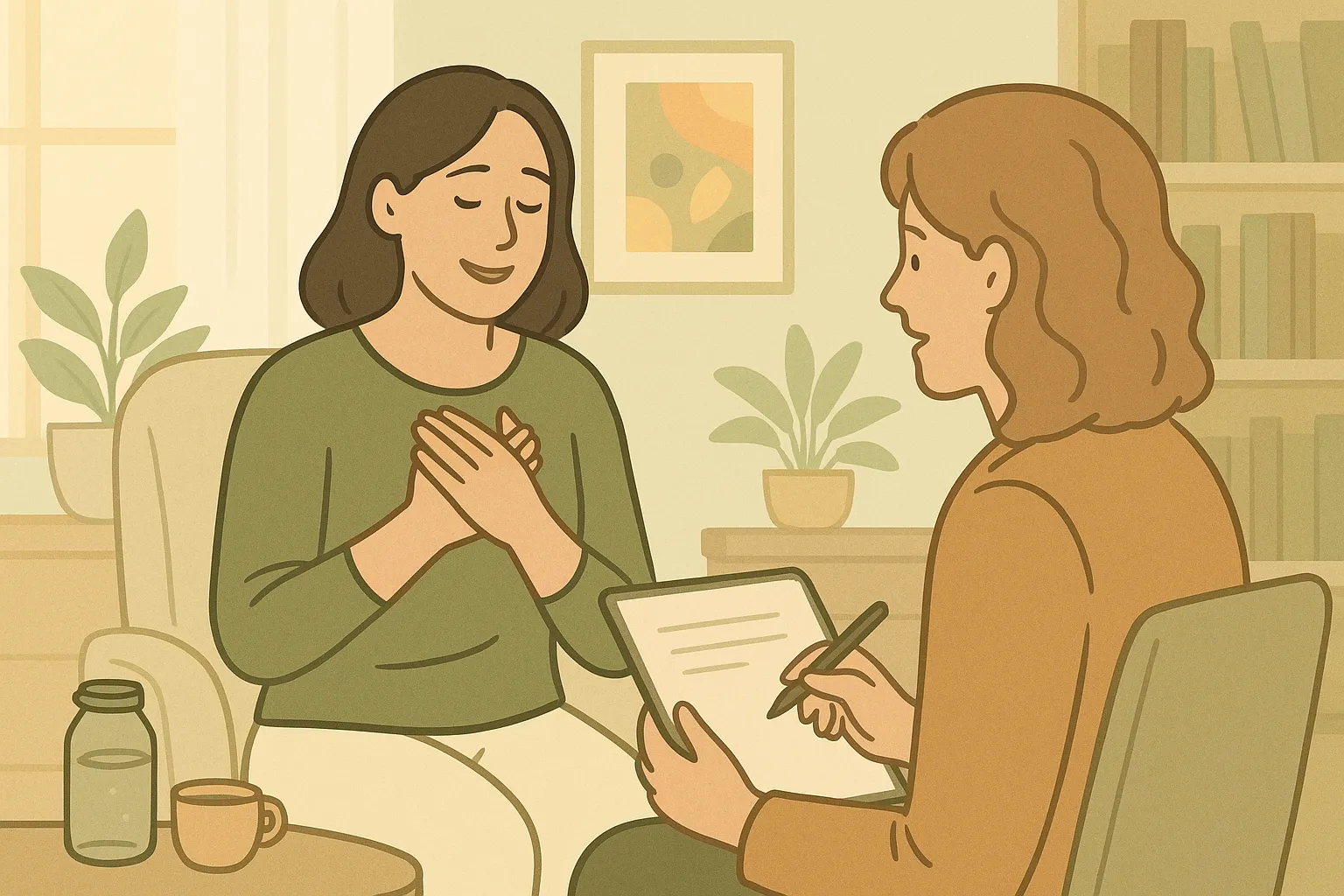
Have you ever felt overwhelmed by stress, sadness, or just the challenges of daily life? You’re not alone. In today’s fast-moving world, people of all ages are becoming more aware of how emotions affect their overall health. Many people now feel more comfortable seeking help when they need it, and that’s a big change from how things were in the past.
In this blog, we will share why more people are reaching out for emotional support and how it’s helping them live healthier, more balanced lives.
Growing Awareness of Mental Health
Over the past decade, mental health has become a regular part of everyday conversations. People are more open about their struggles, and there’s less shame around asking for help. This shift comes from seeing celebrities, athletes, and even friends speak openly about their emotional challenges. When public figures share their experiences, it encourages others to do the same.
Schools, workplaces, and communities are also providing more information about emotional well-being. Social media plays a role, too. It allows people to learn more about topics like anxiety, depression, and burnout. As a result, more people recognize when they need help. This awareness is leading to a rise in therapy appointments, support groups, and the use of mental health apps.
Increased Access to Professional Help
One major reason people are seeking support is that it’s now easier to find and connect with professionals. Years ago, people had to rely on local services, and many small towns had very few options. Now, with online therapy and virtual counseling, more people can talk to licensed therapists from the comfort of their home. This makes it easier to fit therapy into a busy schedule. It also helps those who live far from large cities get the support they need.
More schools and universities are offering programs to train mental health professionals. Many students are choosing careers in counseling, psychology, and therapy. Some are even choosing CACREP accredited online counseling programs, which let them study at their own pace while still gaining the skills they need. This growing pool of professionals means shorter wait times and better access to care. More trained professionals lead to more people getting the help they deserve. People no longer feel stuck without options.
Impact of the Pandemic on Emotional Health
The COVID-19 pandemic changed the way people think about health, including emotional health. During the lockdowns, people faced loneliness, fear, and uncertainty. Many lost loved ones or had to deal with big changes in their lives. These struggles made people realize that mental health is just as important as physical health. The shared experience brought the topic into the spotlight. Even those who had never needed help before started to feel anxious or overwhelmed.
As people tried to cope, many turned to counseling for the first time. Therapy helped them manage their emotions and deal with stress. Now, even after the height of the pandemic, people continue to value emotional support. They want to build healthier habits and prepare for future challenges. This experience made it clear that reaching out for help can make a big difference in hard times.
Social Media and the Push for Positivity
Social media is filled with advice about wellness, mindfulness, and emotional health. Influencers, therapists, and educators share tips and personal stories that inspire others to care for their mental well-being. This kind of content helps break down the fear or embarrassment that once came with seeking help. It also makes emotional well-being a more familiar and approachable topic for younger generations.
While social media has its downsides, such as unrealistic comparisons, it has also played a role in normalizing therapy and emotional check-ins. People now use platforms like Instagram and TikTok to find coping strategies, talk about their struggles, and support one another. This ongoing discussion creates a space where it’s okay to say, “I’m not okay.” That simple statement can open the door to healing and growth.
More Workplace Support and Stress Management
Jobs today are often fast-paced and stressful. Long hours, high expectations, and constant communication can take a toll on anyone. More companies now recognize the link between emotional well-being and job performance. They’ve started offering mental health days, wellness programs, and access to therapy. Human resource departments are also working to create safer, more open environments where employees can talk about burnout and stress.
These changes make it easier for people to take their emotional health seriously. When employers value mental well-being, workers feel more comfortable asking for support. Some companies also offer flexible work hours or hybrid schedules, which help reduce pressure. These workplace improvements allow people to focus on self-care without feeling guilty or worried about job security. It’s a small shift that creates a big impact.
Changing Cultural Beliefs and Reduced Stigma
In the past, many cultures discouraged people from talking about emotions or mental struggles. It was often seen as something to hide or deal with in private. Now, younger generations are challenging those old beliefs. They are more willing to talk openly and break the silence around emotional issues. As a result, families are having more honest conversations, and older generations are starting to listen and understand.
This cultural change is helping to reduce stigma. More people realize that asking for help isn’t a sign of failure—it’s a step toward healing. As mental health becomes a normal topic at dinner tables, schools, and community centers, it encourages people from all backgrounds to take care of their emotional needs. No one has to suffer in silence anymore. Support is becoming more available and accepted.
In conclusion, emotional well-being has become a bigger priority for people across the country. More are choosing to talk about their feelings, ask for help, and build better habits for mental health. Whether it’s through therapy, online support, or community groups, people now have more options than ever. These changes didn’t happen overnight, but they’re making a difference in how people care for themselves and others.