Why More People Are Turning to Counseling to Manage Everyday Stress and Burnout
<p>Stress and burnout are becoming common challenges that many face in their daily lives. These issues can stem from various sources, including work pressure, personal responsibilities, and the…
- Published
- Written by
- Women In Balance Team
- Reading time
- 4 minutes
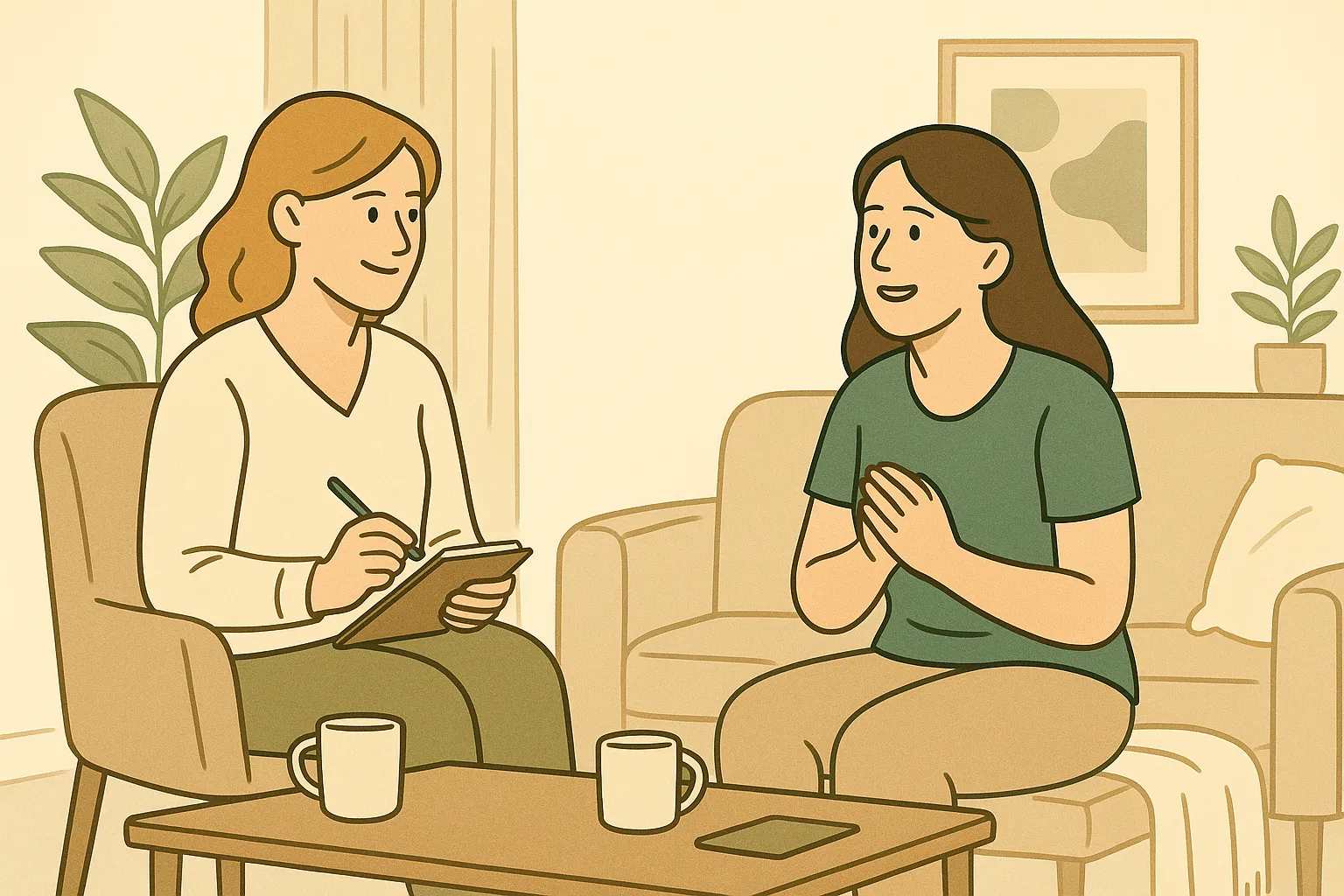
Stress and burnout are becoming common challenges that many face in their daily lives. These issues can stem from various sources, including work pressure, personal responsibilities, and the ongoing challenges of maintaining a work-life balance. Many are seeking effective ways to cope with their feelings.
People are discovering that engaging in open dialogue with trained professionals can lead to improvements in managing stress. As stigma around mental health decreases, more individuals are taking the brave step to seek help.
The Growing Acceptance of Counseling
Society has shifted towards a more open-minded attitude regarding mental health. Individuals are acknowledging that seeking help for emotional turmoil is not a sign of weakness but rather a proactive step towards well-being. This change has led to a rise in demand for professional counseling services. Many people are recognizing the unique benefits of working with therapists in their area. If you are from Colorado, look for licensed therapists in Colorado who provide a space to explore your thoughts and feelings and help you develop coping strategies. The acceptance of counseling grows, and more people now feel comfortable addressing their mental health concerns. This is a cultural shift that underscores the importance of well-being.
Understanding Stress and Burnout
Stress is a result of external pressures, whether from work, relationships, or personal expectations. It can manifest in various forms, including anxiety, fatigue, and even physical health issues.
Burnout is a state of emotional, physical, and mental exhaustion caused by prolonged stress and frustration. Identify the difference between stress and burnout for effective management. Individuals experiencing chronic stress may notice they are easily overwhelmed; those in burnout might feel detached and incapable of performing even the simplest tasks.
Understanding the symptoms can empower individuals to seek appropriate support and take preventative measures against further decline.
The Role of Counseling in Stress Management
Counseling provides numerous tools and techniques that help individuals navigate their stress and burnout. Through various therapeutic approaches, licensed counselors work with clients to develop personalized strategies based on their unique circumstances. These strategies may include stress management techniques, cognitive-behavioral approaches, and mindfulness practices. In therapy, clients learn how to identify their triggers and develop healthy responses rather than emotional reactions.
Counseling can facilitate deeper self-awareness and help individuals reconnect with their goals and values, making it easier to align personal and professional life. The structured environment of counseling provides a consistent support system that encourages growth and resilience.
Building Emotional Resilience
Emotional resilience is the capacity to recover from adversity, adapt to change, and thrive in the face of stress. It’s not an innate trait but a set of skills that can be cultivated with intention and support. Counseling helps patients build resilience and teaches them how to regulate emotions and challenge negative thinking. Therapists guide clients through journaling, meditation, and cognitive reframing to promote a more balanced and optimistic mindset. Developing a routine that includes physical activity and meaningful social interactions.
Resilience doesn’t mean avoiding difficulty: it means facing it with flexibility and confidence. With therapeutic support, individuals can learn to interpret setbacks as opportunities for growth. Resilient individuals experience improved relationships, reduced anxiety, and a stronger sense of purpose.
The Impact of Social Connections
Having supportive relationships with friends, family, or community members can provide comfort, perspective, and a sense of belonging during tough times. Counseling emphasizes the importance of these connections and helps clients strengthen them. Talking openly with trusted individuals allows for emotional release and validation and reduces feelings of isolation or helplessness.
Engage in shared activities, volunteer, or simply maintain regular communication to lift mood and build resilience. For those who struggle with relationships, therapy offers a space to explore social patterns and learn healthier ways of relating to others. Group counseling or support networks may serve as valuable tools. These small interactions have a cumulative positive impact. Investing in social well-being contributes to long-term emotional stability and mental health.
Finding the Right Counselor
The relationship between client and therapist influences therapeutic outcomes, and that’s why you need to find the right counselor for you. Research the counselor’s specialization, experience, communication style, and therapeutic approach. Some individuals may prefer cognitive-behavioral therapy, whereas others might benefit from humanistic, psychodynamic, or trauma-informed methods. Many effective professionals in these areas hold a master’s in clinical mental health counseling, which equips them with specialized skills to support diverse client needs.
Review credentials, read testimonials, and schedule consultations to gauge comfort and fit. An effective counselor creates a safe and respectful environment where clients feel heard, understood, and empowered. During initial sessions, trust your instincts. The right therapist will adapt strategies to meet your needs and help you set achievable goals.
More individuals recognize the value of seeking professional help. With an increasing understanding of mental health’s relevance, people are prioritizing the management of stress and burnout. By exploring counseling options, individuals can take actionable steps toward improving their mental well-being. The journey toward better coping mechanisms and a more fulfilling life is now possible with the right counselor.