Why Nurse Practitioners Matter: Roles and Contributions
<p>In the evolving landscape of healthcare delivery, nurse practitioners (NPs) have emerged as essential contributors to both patient care and system efficiency. Their ability to diagnose, treat, and…
- Published
- Written by
- Women In Balance Team
- Reading time
- 7 minutes
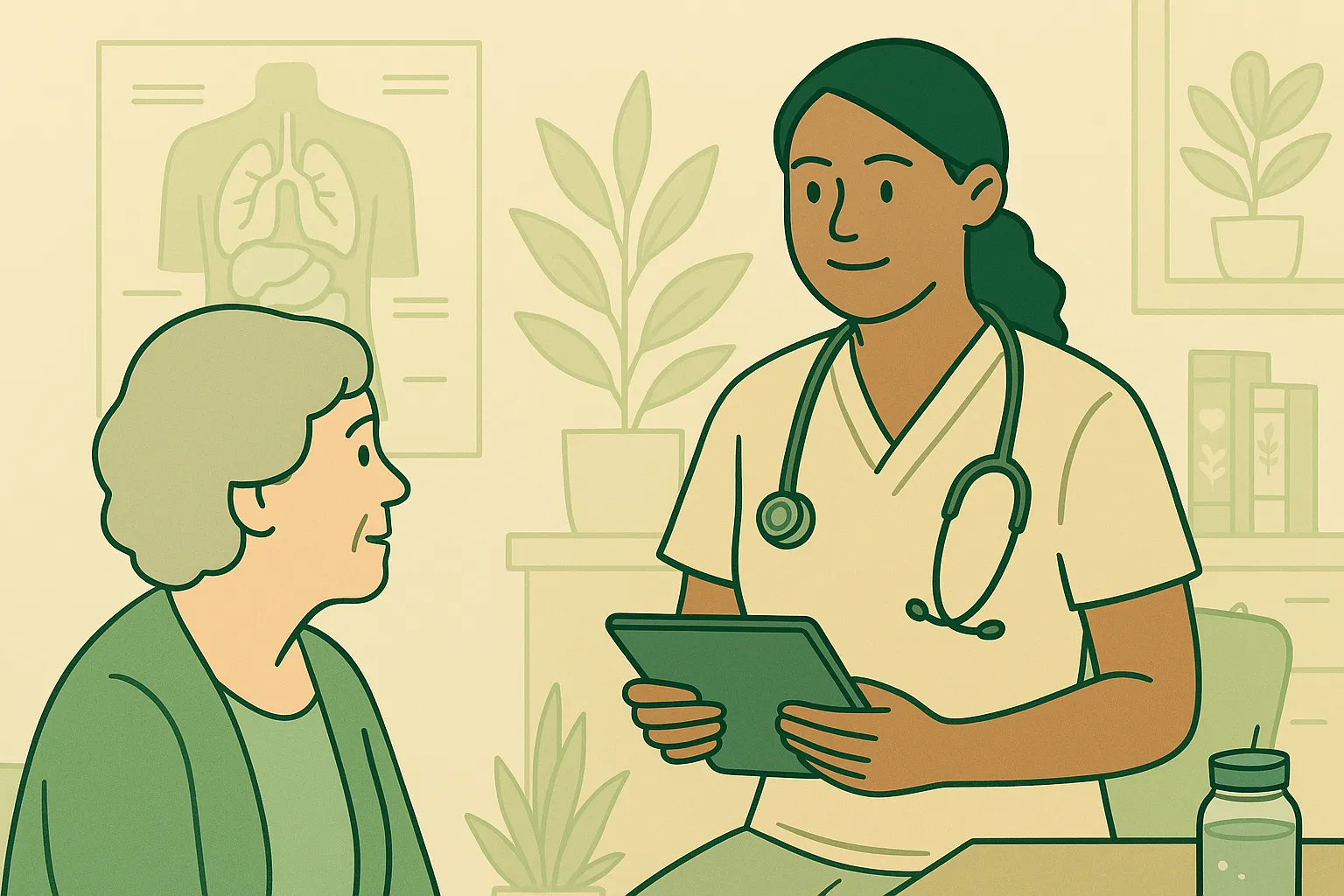
In the evolving landscape of healthcare delivery, nurse practitioners (NPs) have emerged as essential contributors to both patient care and system efficiency. Their ability to diagnose, treat, and manage a wide range of conditions makes them a vital solution to increasing demands in the health sector. As the United States continues to experience physician shortages, particularly in primary care, NPs are stepping in to bridge the gap and expand healthcare access.
Nurse practitioners bring a unique combination of clinical expertise and holistic care. They are trained to provide services across a patient’s lifespan, integrating preventative care, chronic disease management, and patient education. Their approach is not limited to physical illness; it extends to mental and emotional health, offering a comprehensive model of care that often leads to high levels of patient satisfaction.
The versatility of NPs enables them to work in various environments, from hospitals and specialty clinics to schools and long-term care facilities. Their presence in underserved areas has been particularly impactful, improving access for populations that might otherwise go without care. As their scope of practice continues to expand, so too does their potential to reshape the future of healthcare in meaningful and measurable ways.
Education, Training, and Certification: The Path to Practice
Becoming a nurse practitioner involves a demanding and structured academic path that combines both theoretical learning and clinical training. Candidates typically begin with a Bachelor of Science in Nursing (BSN) degree and licensure as a registered nurse (RN). After gaining professional experience, they pursue graduate education through a Master of Science in Nursing (MSN) or Doctor of Nursing Practice (DNP) program. These advanced programs are designed to deepen their clinical acumen and expand their capacity for independent decision-making.
The graduate curriculum for nurse practitioners includes advanced coursework in pharmacology, pathophysiology, diagnostics, and health assessment. Just as important, it also incorporates extensive clinical hours under the supervision of experienced preceptors. These hands-on rotations expose students to real-world scenarios across specialties such as family health, psychiatry, pediatrics, and acute care. Upon completion, NPs must pass national certification exams and obtain state licensure, which often comes with varying levels of prescriptive and practice authority depending on jurisdiction. To maintain these credentials and stay current with evolving healthcare practices, nurse practitioners are also required to complete continuing education units, often referred to as nursing CEUs, throughout their careers.
For many aspiring clinicians, learning how nurse practitioners assess, diagnose, and manage patient care provides a strong foundation for understanding the demands and opportunities of this role. Developing an understanding of these practical responsibilities early in one’s career helps guide decisions around specialization, clinical training, and long-term goals in the healthcare field. It also clarifies how this advanced nursing role integrates into the broader medical system, especially for those preparing to take on the challenges of independent practice.
Expanding Access Through Primary Care
Primary care remains a critical area where nurse practitioners are making a substantial impact. With many regions across the country facing a shortage of primary care physicians, NPs have become vital to ensuring that communities receive timely and comprehensive care. They manage everything from annual physicals and immunizations to the long-term treatment of chronic conditions like diabetes and hypertension.
NPs are often the first point of contact for patients seeking medical care, particularly in community clinics and rural health centers. Their training equips them to handle a wide range of conditions independently or as part of a collaborative team. By offering extended clinic hours, accepting diverse insurance plans, and practicing in non-traditional settings, they increase the accessibility and convenience of medical care for underserved populations.
Patient outcomes under NP care are consistently strong. Numerous studies have shown that NPs provide care comparable to that of physicians, with equal or better results in patient satisfaction, health education, and chronic disease management. Their emphasis on communication, continuity, and preventive care contributes not only to better health outcomes but also to reduced costs across the healthcare system.
Advanced Roles in Specialized and Acute Settings
While NPs are widely recognized for their role in primary care, they are also increasingly visible in specialty and acute care settings. In cardiology, oncology, dermatology, and orthopedics, NPs manage complex patient cases, perform diagnostic procedures, and monitor treatment plans. Their advanced training allows them to support both inpatient and outpatient care with a high level of clinical competency.
In hospital environments, acute care nurse practitioners (ACNPs) work in emergency departments, intensive care units, and surgical teams. They assess patients, order and interpret tests, initiate treatment protocols, and provide ongoing management for critically ill individuals. Their ability to respond quickly and effectively to acute changes in patient condition makes them invaluable members of multidisciplinary healthcare teams.
NPs also play essential roles in the continuity of care, often managing patients across different stages of treatment and recovery. This longitudinal approach not only improves health outcomes but also enhances the patient experience. In high-demand specialties where physician time is limited, NPs help extend care capacity, reduce wait times, and maintain consistent follow-up, all of which contribute to a more responsive healthcare system.
Leadership in Preventive Health and Public Education
Preventive health is a cornerstone of the nurse practitioner model, and their emphasis on early intervention has significant implications for long-term population health. NPs routinely educate patients about nutrition, physical activity, tobacco cessation, and disease screenings. These efforts contribute to healthier lifestyles and reduced risk factors for conditions like heart disease, obesity, and cancer. As part of promoting public safety and preparedness, many NPs also encourage patients and community members to acquire first aid training online, ensuring they are equipped to respond effectively in emergencies.
Beyond the clinic, NPs are active in schools, corporate wellness programs, and public health campaigns. They deliver vaccines, run health fairs, and conduct community assessments that identify and address local health challenges. Their close ties to the communities they serve enable them to develop tailored programs that resonate with patients’ unique needs and cultural backgrounds.
In an era where preventable diseases account for a large portion of healthcare costs, the work of NPs in prevention is both clinically important and economically innovative. By helping patients manage risk factors before they escalate into critical health issues, nurse practitioners play a proactive role in reducing the burden on hospitals and emergency services. Their presence in preventive care aligns perfectly with the shift toward value-based healthcare models.
Championing Equity for Underserved Communities
Nurse practitioners have long been champions for underserved and marginalized populations. Their roles often extend into settings where traditional care is scarce, including homeless shelters, correctional facilities, and rural clinics. Here, NPs provide critical services to people who might otherwise lack consistent access to medical attention, forming a crucial safety net in the healthcare system.
These practitioners are skilled at addressing social determinants of health, such as housing instability, food insecurity, and lack of transportation. They do more than treat illness; they help patients navigate systems that support wellness, including social services, mental health resources, and community-based organizations. This whole-person approach makes a profound difference for individuals facing complex socioeconomic challenges.
In advocacy, NPs work to expand policies that increase access to care, particularly in states where restrictive scope-of-practice laws limit their ability to serve independently. By pushing for full practice authority, they aim to ensure that all patients, regardless of income, location, or background, can benefit from high-quality, timely, and compassionate care. Their voice in shaping equitable healthcare policy continues to grow.
Financial Impact and System-Level Efficiency
As healthcare systems seek to reduce costs without sacrificing quality, the nurse practitioner model has emerged as an effective strategy. NPs offer comparable outcomes to physicians at a lower cost per patient visit. This financial efficiency stems from lower salary structures and a strong emphasis on preventative care, which can reduce expensive hospital admissions and emergency department usage.
Organizations that integrate NPs into their teams often find improved operational performance. By delegating routine and chronic care to NPs, physicians can focus on complex cases, which enhances workflow and improves patient throughput. This collaborative dynamic benefits not only clinicians but also patients, who enjoy shorter wait times and more personal attention during visits.
Furthermore, in accountable care organizations and population health initiatives, nurse practitioners play a pivotal role in meeting quality benchmarks tied to reimbursement. Their work in chronic disease management, care coordination, and patient education aligns with the goals of value-based care. As the industry continues to shift toward these models, NPs are poised to lead the charge in sustainable, outcomes-driven medicine.
Navigating Future Opportunities and Challenges
Looking ahead, the future of nurse practitioners is marked by both exciting opportunities and essential challenges. Demand for their services is projected to rise significantly, driven by an aging population, increased chronic illness, and continued physician shortages. To meet this demand, nursing schools must invest in expanding programs and supporting students through scholarships, mentorship, and clinical placements.
At the same time, regulatory inconsistency remains a barrier to full NP integration. In many states, NPs still require physician oversight for some aspects of care, which can limit their reach and slow down decision-making. Advocacy for full practice authority continues to gain momentum, with growing evidence showing that NPs can safely and effectively practice independently.
Technology also presents new frontiers for nurse practitioners. With the rise of telehealth, wearable devices, and AI-driven diagnostics, NPs are well-positioned to embrace digital innovations that enhance patient engagement and monitoring. By staying at the forefront of these trends while preserving their human-centered approach, nurse practitioners can continue to shape the healthcare system in profound and positive ways.