Endometriosis vs PCOS: Symptoms, Causes, and Treatment
<p>Understand the difference between endometriosis and PCOS to identify symptoms, protect fertility, and take control of your reproductive health. Both conditions are common, often misdiagnosed, and…
- Published
- Written by
- Women In Balance Team
- Reading time
- 9 minutes
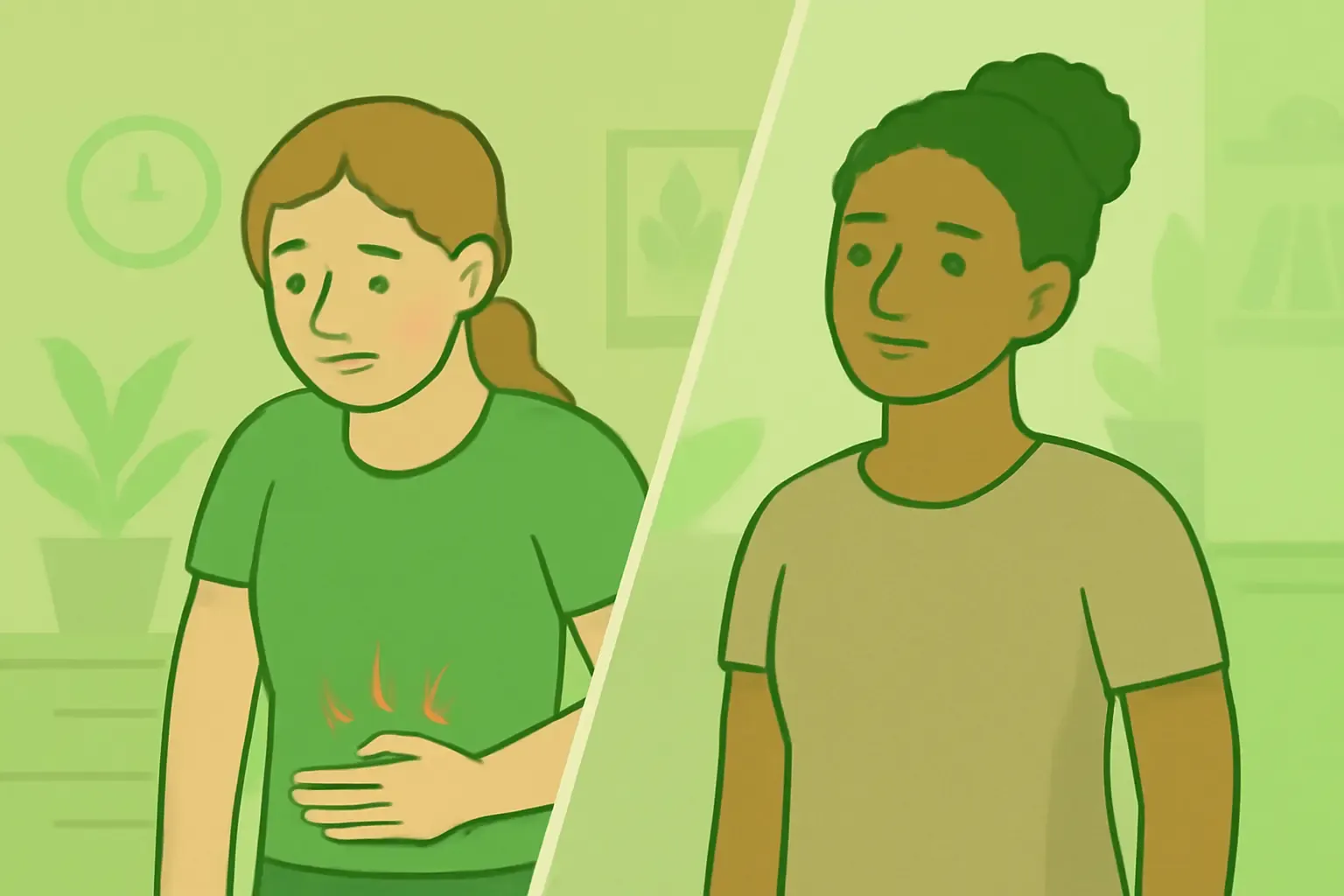
Understand the difference between endometriosis and PCOS to identify symptoms, protect fertility, and take control of your reproductive health. Both conditions are common, often misdiagnosed, and can disrupt quality of life. Recognizing their impact empowers you to seek accurate diagnosis and informed treatment.
Key Takeaways
- Endometriosis involves tissue similar to the uterine lining growing outside the uterus, causing severe pelvic pain and potentially affecting fertility
- PCOS is a hormonal disorder characterized by irregular periods, excess androgens, and metabolic issues that can impact ovulation
- While both conditions affect reproductive health, they have distinct causes, symptoms, and treatment approaches that require specialized care
If you’ve been experiencing irregular periods, pelvic pain, or fertility concerns, you’re not alone. Endometriosis and PCOS are two of the most common reproductive health conditions, affecting millions of women worldwide, yet they remain widely misunderstood and often misdiagnosed.
These conditions can significantly impact your quality of life, fertility, and long-term health. The frustration of not knowing what’s happening in your body, combined with the challenge of getting proper diagnosis and treatment, can feel overwhelming.
Understanding the key differences between endometriosis and PCOS is essential for advocating for your health. This comprehensive guide will help you distinguish between these conditions, recognize their unique symptoms, and empower you to have informed conversations with your healthcare provider.
What Is Endometriosis?
Endometriosis is a chronic condition where tissue similar to the uterine lining (endometrium) grows outside the uterus. This displaced tissue behaves like normal endometrial tissue, thickening and bleeding with each menstrual cycle, but has no way to exit the body.
This condition commonly affects the ovaries, fallopian tubes, and pelvic lining, where it can form cysts, block pathways for eggs, and cause widespread inflammation. In more severe cases, it may also impact the bowel and bladder.
The hallmark symptoms of endometriosis center around severe pelvic pain, especially during menstruation, along with heavy or irregular periods accompanied by intense cramping. Many women also experience pain during intercourse that may worsen over time, chronic fatigue and exhaustion, infertility or difficulty conceiving, and digestive issues like bloating, nausea, or bowel problems during periods.
Research shows that endometriosis affects approximately 10% of reproductive-aged women, yet diagnosis often takes 7-12 years due to symptoms being dismissed as “normal” period pain.
What Is PCOS (Polycystic Ovary Syndrome)?
PCOS is a hormonal disorder that causes enlarged ovaries with multiple small cysts and affects how your ovaries function. Despite its name, not all women with PCOS actually develop cysts on their ovaries.
The condition involves several key hormonal imbalances including elevated androgens (male hormones) that cause masculine traits, insulin resistance affecting blood sugar regulation, and irregular ovulation due to hormonal disruption.
Common PCOS symptoms include irregular or missed periods where women sometimes go months without menstruating, along with unexplained weight gain particularly around the midsection. Many women also develop persistent acne that doesn’t respond to typical treatments, excess hair growth on the face, chest, or back, male-pattern baldness or thinning hair, difficulty getting pregnant due to irregular ovulation, and mood changes including depression and anxiety.
PCOS affects up to 15% of reproductive-aged women and is one of the leading causes of female infertility, though many women remain undiagnosed.
Key Differences Between Endometriosis and PCOS
While both conditions affect the reproductive system and can impact fertility, they differ significantly in their underlying causes, symptoms, and treatment approaches. Understanding these distinctions is crucial for proper diagnosis and management.
Cause
The root causes of these conditions are fundamentally different:
Endometriosis: The exact cause remains unknown, but theories include retrograde menstruation (backward flow of menstrual blood), genetic factors, and immune system dysfunction. It’s essentially a structural problem where tissue grows in the wrong places.
PCOS: Primarily caused by hormonal imbalances involving excess androgen production, insulin resistance, and genetic predisposition. It’s fundamentally a metabolic and endocrine disorder.
Hormonal Impact
PCOS is primarily a hormonal disorder characterized by elevated testosterone and other androgens, insulin resistance in up to 80% of cases, and disrupted LH (luteinizing hormone) and FSH (follicle-stimulating hormone) ratios.
Endometriosis is not caused by hormone imbalance but is influenced by estrogen levels. Estrogen can stimulate the growth of endometrial tissue, which is why hormonal treatments often help manage symptoms, though the condition itself doesn’t typically cause widespread hormonal disruption.
Common Symptoms
The symptom patterns help distinguish between these conditions:
Endometriosis symptoms typically include cyclical, severe pelvic pain that worsens during menstruation, heavy, prolonged periods with significant cramping, deep pelvic pain during intercourse, chronic fatigue and exhaustion, and digestive issues that coincide with menstrual cycles.
PCOS symptoms commonly present as irregular or absent periods lasting months, persistent acne and oily skin, unexplained weight gain especially in the abdominal area, excess hair growth in masculine patterns, and mood swings with difficulty managing emotions.
Menstrual Cycle Effects
The impact on menstruation differs dramatically:
Endometriosis: Often causes heavy, extremely painful, but typically regular periods. The pain may start before bleeding begins and continue throughout the cycle.
PCOS: Usually results in irregular, missed, or very light periods due to lack of ovulation. Some women may go 3-6 months without a period, while others experience unpredictable bleeding.
Diagnosis Process
Getting an accurate diagnosis requires different approaches:
Endometriosis diagnosis involves taking a detailed symptom history focusing on pain patterns, performing a pelvic examination to check for abnormalities, using transvaginal ultrasound to identify cysts or masses, and often requiring laparoscopy as the gold standard for definitive diagnosis. In complex cases, MRI may also be used.
PCOS diagnosis typically includes blood tests measuring hormone levels such as testosterone, insulin, and LH/FSH ratios, pelvic ultrasound to examine ovary appearance and cyst presence, glucose tolerance testing to assess insulin resistance, and clinical assessment of symptoms like hirsutism and irregular periods.
Both conditions are commonly misdiagnosed or diagnosed late, with women often seeing multiple healthcare providers before receiving proper care.
Impact on Fertility
Each condition interferes with fertility through different mechanisms:
Endometriosis affects fertility by creating scar tissue and adhesions that can block fallopian tubes, causing inflammation that interferes with egg and sperm function, distorting pelvic anatomy and making conception difficult, and affecting egg quality through inflammatory processes.
PCOS impacts fertility through anovulation (failure to release eggs regularly), hormonal imbalances that prevent proper follicle development, insulin resistance affecting egg quality, and thickened endometrial lining that may not support implantation.
Studies show that 30-50% of women with endometriosis may experience fertility issues, while up to 80% of women with PCOS may have difficulty conceiving naturally.
Long-term Health Risks
Both conditions carry distinct long-term health implications:
Endometriosis risks include chronic pain that may worsen over time, ovarian cysts (endometriomas) requiring surgical intervention, bowel and bladder complications in severe cases, increased risk of certain cancers particularly ovarian cancer, and mental health impacts from chronic pain and fertility concerns.
PCOS risks encompass type 2 diabetes due to insulin resistance, cardiovascular disease from metabolic dysfunction, endometrial cancer risk if periods remain irregular long-term, sleep apnea associated with weight gain, and depression and anxiety from hormonal imbalances.
Treatment Approaches
Treatment strategies differ based on each condition’s underlying mechanisms:
Endometriosis treatments focus on pain management with NSAIDs and prescription medications, hormonal therapies like birth control pills, GnRH agonists, or progestins, surgical intervention to remove endometrial implants and scar tissue, and lifestyle modifications including anti-inflammatory diets and stress management.
PCOS treatments typically involve metformin to improve insulin sensitivity, birth control pills to regulate hormones and periods, fertility medications like Clomid or letrozole for ovulation induction, weight management through structured diet and exercise programs, and anti-androgen medications for hirsutism and acne.
Personalized treatment is essential – what works effectively for one woman may not be suitable for another, emphasizing the importance of working with experienced specialists.
How Endometriosis and PCOS Affect Fertility
Understanding how endometriosis and PCOS each impact fertility can help you make informed decisions about family planning and treatment options.
Endometriosis and fertility challenges:
The condition creates multiple barriers to conception. Scar tissue and adhesions can physically block fallopian tubes, preventing sperm from reaching eggs or blocking the fertilized egg’s path to the uterus. Chronic inflammation in the pelvic cavity creates a hostile environment for both sperm and eggs, reducing their viability and function.
Additionally, endometriosis can distort normal pelvic anatomy, making natural conception more difficult. Research indicates that even mild endometriosis can affect fertility through inflammatory factors that interfere with ovulation, fertilization, and implantation.
Treatment success rates: With appropriate treatment, including surgery to remove endometrial implants and assisted reproductive technologies, many women with endometriosis can achieve pregnancy. Success rates vary but IVF success rates for women with endometriosis range from 30-50% per cycle.
PCOS and fertility obstacles:
PCOS primarily affects fertility through hormonal disruption of ovulation. Elevated androgen levels and insulin resistance interfere with the normal development and release of eggs from the ovaries. Many women with PCOS experience anovulation – cycles where no egg is released.
Even when ovulation occurs, irregular cycles make it difficult to predict fertile windows for natural conception. Insulin resistance can also affect egg quality and the uterine environment, potentially impacting implantation success.
Treatment outcomes: The good news is that PCOS-related infertility often responds well to treatment. With ovulation-inducing medications like Clomid or letrozole, combined with lifestyle modifications, many women with PCOS can achieve natural conception. Success rates for ovulation induction range from 60-80%.
When to See a Doctor
Recognizing when symptoms warrant medical attention can dramatically improve your quality of life and long-term health outcomes.
Seek medical evaluation if you experience severe pelvic pain that interferes with daily activities or work, periods so heavy you need to change protection every hour, pain during intercourse that’s worsening or new, irregular periods such as missing cycles for more than 3 months or unpredictable bleeding, difficulty conceiving after 6-12 months of trying (depending on your age), significant mood changes coinciding with your cycle, or unexplained weight gain that doesn’t respond to diet and exercise.
Advocating for your health:
Don’t let healthcare providers dismiss your symptoms as “normal” period problems. Trust your instincts – you know your body better than anyone. Come prepared to appointments with detailed symptom tracking including pain levels, cycle patterns, and triggers, specific questions about diagnostic options and treatment approaches, and clear communication about how symptoms impact your daily life and goals.
If you feel your concerns aren’t being taken seriously, don’t hesitate to seek a second opinion or ask for referral to a reproductive endocrinologist or gynecologist specializing in these conditions.
Remember: Early diagnosis and treatment can significantly improve outcomes and prevent complications. Your symptoms deserve attention and proper medical care.
Final Thoughts
Understanding the differences between endometriosis and PCOS is a crucial step in taking control of your reproductive health. While these conditions can feel overwhelming, knowledge empowers you to advocate for proper diagnosis and effective treatment.
Start tracking your symptoms carefully by noting pain patterns, menstrual cycle irregularities, and how symptoms affect your daily life. This information will be invaluable when discussing your health with medical professionals. Seek out specialists who have experience treating these specific conditions, such as reproductive endocrinologists, gynecologists with advanced training, or fertility specialists who often have the expertise needed for accurate diagnosis and comprehensive treatment plans.
Most importantly, don’t lose hope. While both endometriosis and PCOS present challenges, effective treatments exist, and many women successfully manage their symptoms and achieve their fertility goals with proper medical care and support.
Your health journey may require patience, but with the right knowledge and medical team, you can work toward improved symptoms, better quality of life, and the reproductive outcomes you desire.
Frequently Asked Questions
Which is worse for fertility, PCOS or endometriosis?
Both conditions can significantly impact fertility, but PCOS often responds better to treatment. Endometriosis may cause structural damage requiring surgery, while PCOS fertility issues typically improve with ovulation-inducing medications and lifestyle changes.
How do they check for PCOS or endometriosis?
PCOS diagnosis involves blood tests measuring hormones and insulin levels, plus pelvic ultrasound. Endometriosis requires pelvic examination, imaging studies, and often laparoscopic surgery for definitive diagnosis.
Is it possible to have both PCOS and endometriosis?
Yes, though uncommon, some women can have both conditions simultaneously. This requires careful evaluation by specialists to develop comprehensive treatment plans addressing both hormonal and structural issues.