Midlife Burnout: Beyond the Brain – Using Somatic Practices to Restore Balance
<p>Midlife burnout affects many people as they face the pressures of aging, career, and family responsibilities. This emotional and physical exhaustion often leads to symptoms like fatigue…
- Published
- Written by
- Women In Balance Team
- Reading time
- 4 minutes
Midlife burnout affects many people as they face the pressures of aging, career, and family responsibilities. This emotional and physical exhaustion often leads to symptoms like fatigue, irritability, and a sense of being stuck.
While the brain plays a significant role, mental strategies alone can’t resolve the issue. In this article, we explore how somatic practices can offer a powerful solution. Let’s start with understanding Somatic practices.
What are Somatic Practices?
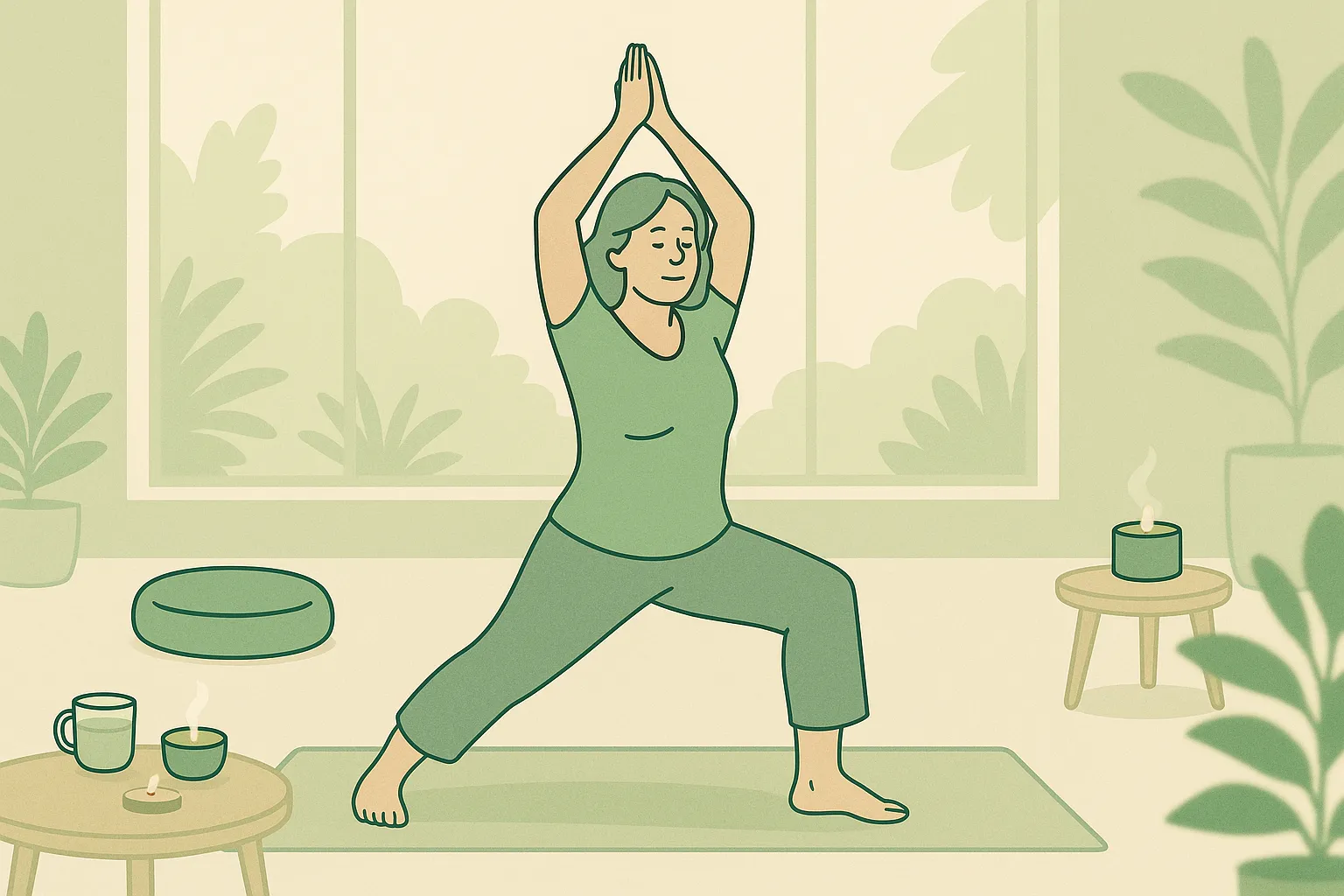
Somatic practices are physical exercises and therapies that emphasize the mind-body connection. These practices, such as yoga, breathwork, and Tai Chi, help individuals become more aware of how physical movement affects emotional and mental states.
The body stores stress and trauma, often manifesting as physical tension and discomfort. When burnout occurs, this stored stress can intensify, leading to fatigue and emotional exhaustion. Somatic practices help individuals reconnect with their bodies, releasing built-up tension and restoring balance.
Somatic Practices to Combat Midlife Burnout
Somatic practices focus on the connection between the body and mind, offering powerful tools to combat stress, improve relaxation, and restore balance.
Mindful Movement Practices
Examples: Yoga, Tai Chi, Qi Gong
These mindful movement practices are great for enhancing physical flexibility, promoting relaxation and reducing tension. Yoga focuses on slow intentional movements combined with breathwork to improve circulation and relieve muscle tightness.
Tai Chi and Qi Gong, both traditional Chinese practices, integrate gentle flowing movements with controlled breathing to foster a calm mind and rejuvenate the body. These practices have been shown to alleviate physical tension, improve balance, and boost energy levels, making them ideal for managing the physical aspects of burnout. Somatic practices like these can offer lasting relief for those seeking new ways to manage anxiety.
Breathwork
Deep breathing techniques activate the parasympathetic nervous system, which is responsible for calming the body’s stress response. Breathwork helps shift the body from a state of fight-or-flight into relaxation, allowing for deeper stress relief. The specific techniques for breathwork are:
The 4-7-8 Technique:
Inhale for 4 seconds, hold the breath for 7 seconds, and exhale slowly for 8 seconds. This simple practice can help reduce anxiety and lower stress levels by regulating the breath and promoting a sense of calm.
Box Breathing:
This technique involves inhaling, holding the breath, exhaling, and holding again, each for a count of four. Box breathing is particularly effective in reducing stress and improving focus, making it an excellent tool to combat midlife burnout.
Body Awareness Techniques
Body awareness techniques, such as body scans and progressive muscle relaxation (PMR), play a vital role in managing midlife burnout by enhancing the connection between the mind and body.
A body scan involves mentally scanning the body from head to toe, noticing areas of tension, discomfort, or stress, and consciously relaxing those areas. This practice encourages mindfulness and helps individuals become more aware of how physical sensations relate to emotional states, ultimately allowing them to identify and release built-up tension.
Progressive muscle relaxation takes this concept further by intentionally tensing and then releasing specific muscle groups. This technique promotes deep relaxation and helps individuals recognize the contrast between physical tension and the state of relaxation. As people become more aware of how stress manifests physically, they can respond with relaxation techniques
Massage, Acupuncture, and Other Body Therapies
Massage and bodywork therapies, such as acupuncture, myofascial release, and reflexology, are powerful tools for addressing midlife burnout by releasing stored physical tension and calming the nervous system.
Massage, in particular, targets muscle tightness, stimulates blood flow, and induces deep relaxation, which can significantly reduce the stress that accumulates over time. The therapeutic touch involved in massage has been shown to lower cortisol levels, the stress hormone, while promoting the release of endorphins, which are natural mood enhancers.
Acupuncture, a traditional Chinese medicine practice, focuses on balancing the body’s energy flow by stimulating specific points on the body. This helps relieve tension, improve circulation, and foster emotional well-being.
Other body therapies, such as myofascial release, help target deep muscle fascia to release chronic tension, while reflexology focuses on specific pressure points on the feet, hands, and ears.
How to Get Started with Somatic Practices
Getting started with somatic practices is simple and doesn’t require major changes to your daily routine. Begin with small exercises that you can easily integrate into your day:
- Short yoga sessions: Start with 10 minutes of gentle stretches to ease tension.
- Breathing exercises: Try deep breathing techniques like 4-7-8 or box breathing to calm your nervous system.
- Walking meditation: Focus on your breath and the sensation of your feet moving on the ground.
To find the right practice for you, experiment with different techniques and notice which ones feel most relaxing or energizing. Choose practices that align with your lifestyle, whether it’s quick breathwork or a longer yoga session.
Consistency is key. Set aside time each day, even if it’s just a few minutes, and make somatic practices part of your routine. This helps create balance and reduces stress over time.
Endnote
The body-mind connection is a powerful tool in addressing burnout. It is crucial to recognize that burnout is not just a mental or emotional issue, but also a physical one. By focusing on somatic practices, which involve both the body and mind, we can take a holistic approach to restoring balance and well-being.
Somatic practices provide practical and effective ways to manage stress and reduce burnout. These practices help us reconnect with our bodies, release tension, and create a sense of calm, ultimately improving our overall health.