Uncovering The Hidden Stressors Impacting Women’s Mental Health Today: Challenges & Solutions
<p>In today’s fast-paced world, women face a unique set of stressors that can significantly impact their mental health. From juggling careers and family responsibilities to societal pressures and…
- Published
- Written by
- Women In Balance Team
- Reading time
- 5 minutes
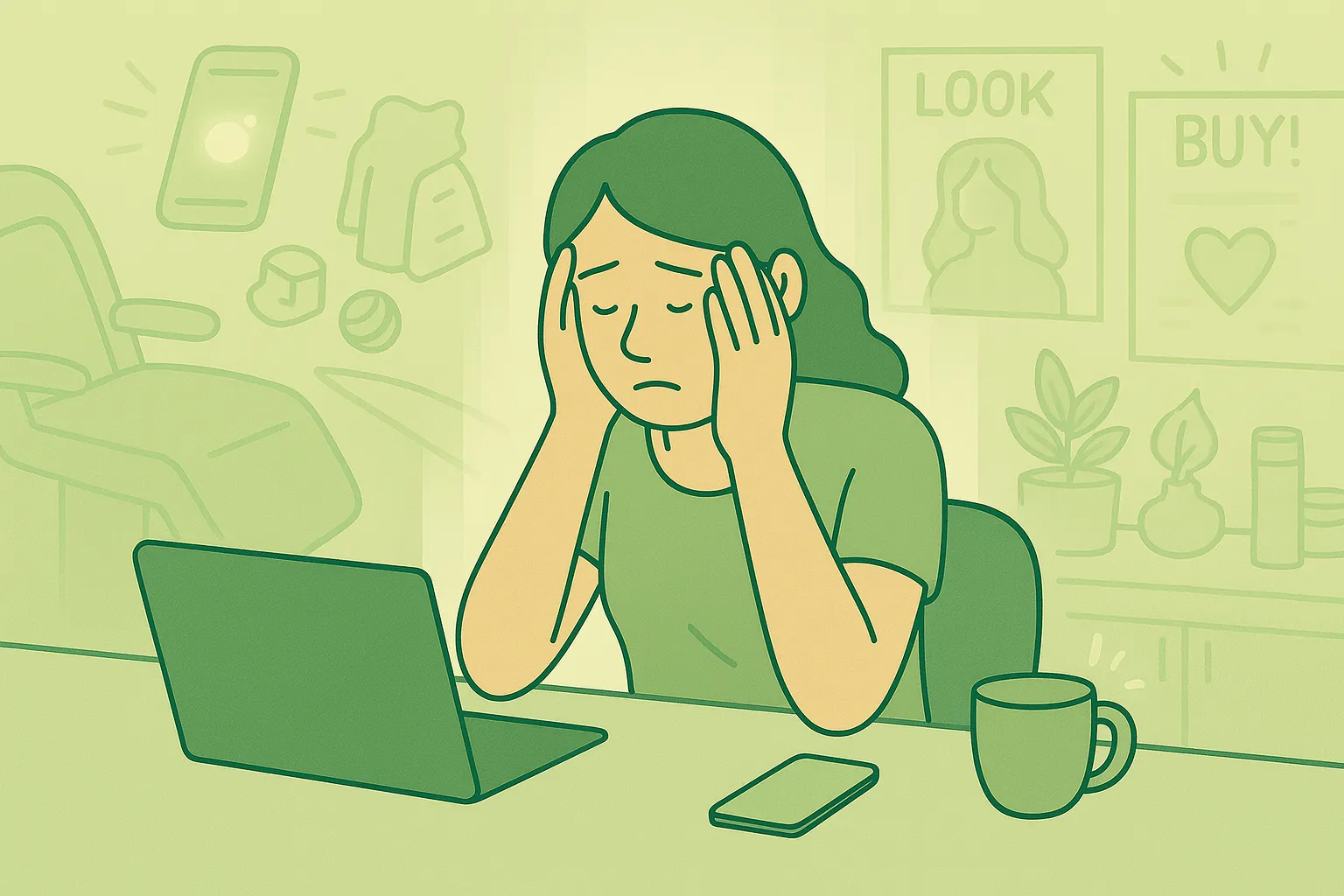
In today’s fast-paced world, women face a unique set of stressors that can significantly impact their mental health. From juggling careers and family responsibilities to societal pressures and expectations, the challenges can often feel overwhelming. It’s crucial for us to recognize these hidden stressors and understand how they affect our emotional well-being.
Research shows that women are more likely to experience anxiety and depression due to these multifaceted pressures. By shedding light on these issues, we can foster a supportive environment that encourages open conversations about mental health. Together, let’s explore the subtle yet powerful stressors that shape women’s lives and discover ways to navigate these challenges for a healthier future.
Understanding Women’s Mental Health
Women’s mental health encompasses a complex interplay of biological, psychological, and sociocultural factors. Women experience mental health conditions at higher rates than men, with anxiety and depression being particularly prevalent. Various stressors contribute to this disparity, such as the continuous pressure to meet societal expectations regarding career and family roles.
Hormonal fluctuations throughout life stages, including menstruation, pregnancy, and menopause, significantly affect women’s mental well-being. These biological changes can influence mood and increase vulnerability to mental health disorders.
Social factors, including caregiving responsibilities, often place additional burdens on women. Balancing work-life demands can lead to chronic stress, further impacting mental health. Women frequently take on roles as primary caregivers, which, while rewarding, may also result in feelings of exhaustion and overwhelm.
Cultural expectations also contribute to mental health challenges. Women may feel compelled to conform to traditional roles, leading to internal conflicts or feelings of inadequacy. The stigmatization of mental health issues prevents many women from seeking help, exacerbating their conditions.
Building a supportive community plays a crucial role in improving women’s mental health. We can foster environments that encourage open conversations about emotional well-being, thereby reducing stigma. Utilizing resources, such as those provided by the National Institute of Mental Health, and specialized directories for therapy for women, can help us understand these issues better and lead to effective strategies for nurturing mental health. Recognizing and addressing the unique stressors women face is essential for promoting a healthier future.
The Hidden Stressors Impacting Women’s Mental Health Today
Women encounter various hidden stressors that significantly affect their mental health. Recognizing these challenges is essential for fostering a supportive environment.
Societal Pressures
Societal pressures often manifest in external expectations for women to excel in multiple roles. Family, career, and personal life all demand attention, creating conflicting priorities. We notice that idealized images in media can further exacerbate feelings of inadequacy. Women face immense pressure to conform to standards of beauty, success, and parenting, which can lead to anxiety and depression. According to the American Psychological Association, these pressures disproportionately affect women’s mental well-being. Individuals frequently measure their self-worth against unrealistic norms, contributing to chronic stress. Addressing these societal pressures is crucial for improving women’s mental health outcomes.
Work-Life Balance Challenges
Work-life balance challenges are prevalent in today’s fast-paced society. Women often juggle professional responsibilities with caregiving, leading to exhaustion and stress. Flexible work arrangements remain limited, making it challenging to meet personal and family needs. A report from the Institute for Women’s Policy Research highlights that women are more likely to experience workplace discrimination, which compounds stress. Additionally, the lack of supportive policies, such as parental leave, impacts mental health negatively. Balancing career aspirations with family obligations can generate overwhelming feelings of guilt and inadequacy. By recognizing these challenges, we can explore effective solutions for promoting women’s mental wellness.
The Role of Relationships
Relationships significantly impact women’s mental health, serving as both a source of support and potential stress. The dynamics within these relationships often shape emotional well-being.
Family Dynamics
Family dynamics play a crucial role in shaping women’s mental health. Family responsibilities, such as caregiving for children or aging parents, often lead to chronic stress and feelings of overwhelm. Conflicts within family structures, whether stemming from differing expectations or communication barriers, can heighten anxiety levels. Additionally, women frequently prioritize family needs over their own, which can perpetuate feelings of guilt and inadequacy. Recognizing the importance of healthy family interactions is essential. Open communication and shared responsibilities can foster a more balanced environment, alleviating stress and enhancing emotional health.
Friendships and Support Systems
Friendships and support systems are vital for women’s mental well-being. Positive relationships with friends provide emotional validation and a sense of belonging, crucial for mental resilience. Yet, societal expectations can lead to the prioritization of professional or familial obligations over personal connections, resulting in isolation. When we maintain strong friendships, we mitigate stress through shared experiences and encouragement. Active participation in support groups can further enhance mental health, offering spaces for women to exchange insights and coping strategies. Cultivating these relationships contributes to a robust support network, ultimately benefiting our mental health outcomes.
Coping Mechanisms for Women
Coping mechanisms play a crucial role in managing stress and enhancing mental health for women. It’s essential to adopt effective strategies and utilize available resources.
Healthy Strategies
Engaging in regular physical activity, such as walking, yoga, or dancing, promotes emotional well-being and reduces anxiety. Practicing mindfulness techniques, like meditation and deep-breathing exercises, helps cultivate a sense of calm and focus. Maintaining a balanced diet consisting of whole foods, fruits, and vegetables supports overall health. Prioritizing sleep by establishing a consistent bedtime routine enhances mood and cognitive function. Connecting with others through social activities or support groups fosters a sense of community and reduces feelings of isolation. Setting boundaries, both personally and professionally, allows for dedicated time to recharge. Implementing these strategies provides women with powerful tools to respond to stressors effectively.
Seeking Professional Help
Seeking professional help from mental health professionals can significantly improve mental health outcomes for women. Therapy options, including cognitive-behavioral therapy (CBT) and talk therapy, assist in navigating emotional challenges. Support groups offer an opportunity to share experiences with others who understand similar struggles, promoting healing through shared stories. Consulting a psychiatrist or psychologist for medication management can also provide relief for those experiencing severe emotional distress. Utilizing resources from organizations like the National Institute of Mental Health can connect women with tailored services and support. Understanding that asking for help is a strength, not a weakness, is vital for fostering better mental health.