Implantation Bleeding vs Period: How to Tell Them Apart
<p>Key Takeaways The main difference between implantation bleeding and a period is flow and timing. Implantation bleeding is light, short, and occurs 6–12 days after ovulation. A period is heavier…
- Published
- Written by
- wib-seo
- Reading time
- 10 minutes
Key Takeaways
- Implantation bleeding is typically lighter, shorter, and occurs earlier than a regular period
- Key differences include timing (6-12 days after ovulation vs 14 days), color (pink/brown vs red), and duration (hours to 2 days vs 3-7 days)
- Only a pregnancy test can definitively confirm pregnancy—tracking symptoms helps but isn’t conclusive
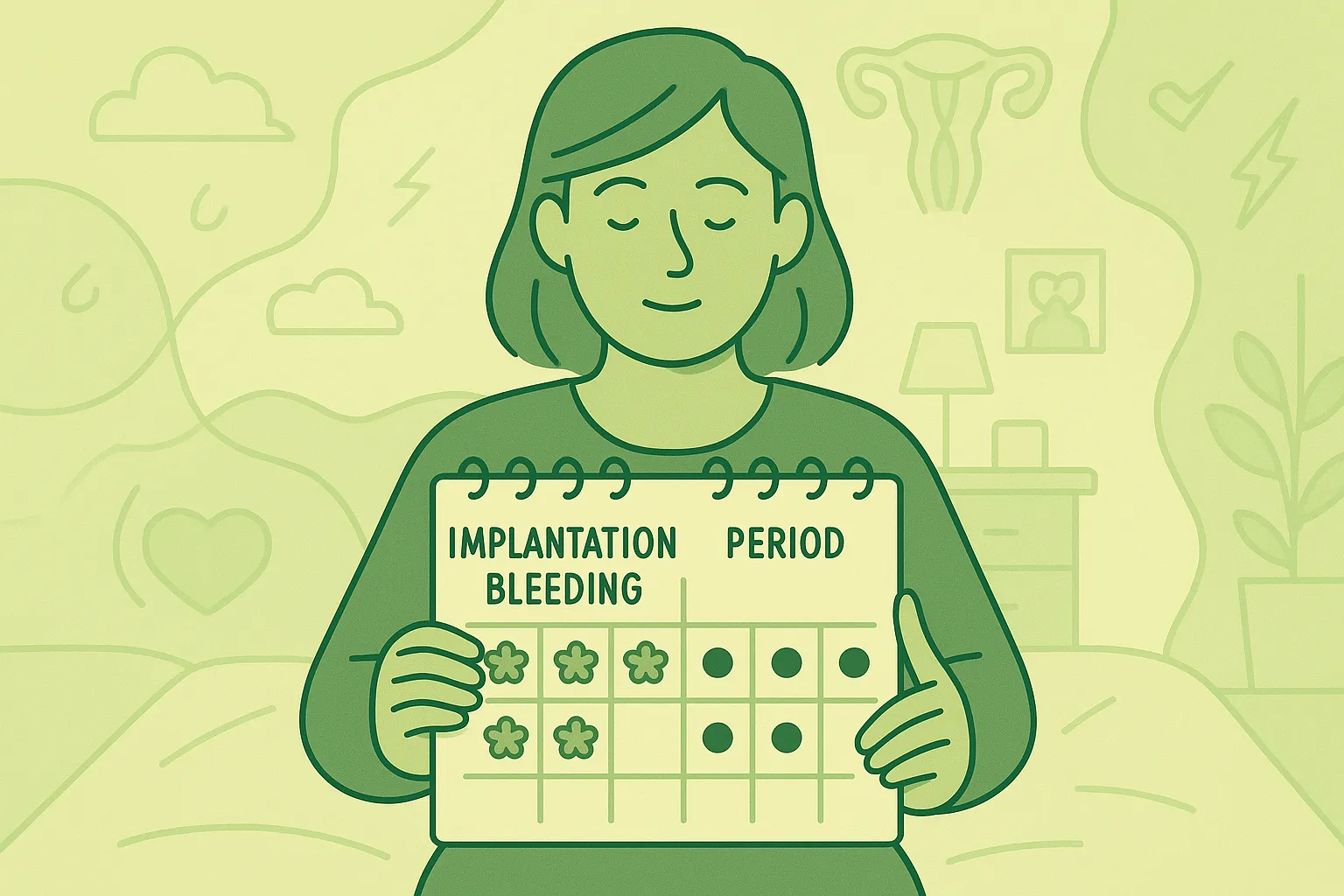
The main difference between implantation bleeding and a period is flow and timing. Implantation bleeding is light, short, and occurs 6–12 days after ovulation. A period is heavier, lasts 4–7 days, and follows a regular monthly cycle. Implantation spotting is usually pink or brown, while period blood is red.
If you’ve ever experienced unexpected spotting before your period was due, you’re not alone. Many women find themselves wondering whether light bleeding signals the start of their menstrual cycle or something entirely different—like early pregnancy.
Understanding the difference between implantation bleeding vs period can feel confusing, especially when the timing overlaps. Both involve bleeding, both can cause mild discomfort, and both can appear when you’re least expecting them. However, knowing the distinct characteristics of each can provide valuable clarity during an uncertain time.
What Is Implantation Bleeding
Implantation bleeding is light bleeding or spotting that occurs when a fertilized egg attaches itself to the lining of the uterus. This process typically happens in the early stages of pregnancy, often before you even realize you’ve missed a period.
Not every woman experiences implantation bleeding. In fact, only about 15-25% of pregnant women report this symptom. When it does occur, it’s a normal part of the early pregnancy process as the embryo burrows into the uterine wall.
The bleeding happens because tiny blood vessels in the uterine lining can break when the fertilized egg implants. This usually results in very light spotting—much lighter than what you’d experience during a typical menstrual period. The amount of blood is minimal, often just a few drops or light pink or brown discharge.
Because implantation bleeding occurs so early in pregnancy, many women mistake it for the start of their period. Understanding its unique characteristics can help you distinguish between the two and recognize potential early pregnancy signs.
What Is a Menstrual Period
A menstrual period is the monthly shedding of the uterine lining that occurs when pregnancy doesn’t happen. This is a natural part of your reproductive cycle, controlled by hormonal changes throughout the month.
The typical menstrual cycle lasts about 28 days, though anywhere from 21 to 35 days is considered normal. When an egg isn’t fertilized, levels of progesterone and estrogen drop, triggering the uterus to shed its inner lining. This shedding is what causes menstrual bleeding.
Unlike implantation bleeding, period bleeding is usually heavier and more substantial. Most women need to use pads, tampons, or menstrual cups to manage the flow. The bleeding typically starts lighter, becomes heavier for a day or two, then tapers off again.
A normal period lasts between 3 and 7 days on average. It’s commonly accompanied by familiar symptoms like cramping, bloating, mood changes, breast tenderness, and fatigue—collectively known as premenstrual syndrome (PMS). These symptoms are caused by the hormonal fluctuations that regulate your cycle.
Key Differences Between Implantation Bleeding and Period
Many women confuse implantation bleeding with a regular period because both involve vaginal bleeding around similar timeframes. The symptoms can overlap, especially if you have naturally light periods or irregular cycles. However, several distinct differences can help you tell them apart.
The following sections break down the most reliable ways to distinguish between implantation bleeding and menstrual bleeding. By understanding the differences in timing, appearance, duration, and accompanying symptoms, you’ll be better equipped to recognize what’s happening in your body.
Timing of Bleeding
Implantation bleeding typically occurs 6-12 days after ovulation, when the fertilized egg attaches to the uterine wall. This usually happens about a week before your expected period, though the timing can vary slightly from woman to woman.
Menstrual bleeding, on the other hand, starts approximately 14 days after ovulation if conception hasn’t occurred. This follows the natural hormonal cycle of your body.
The challenge is that implantation bleeding often arrives just a few days before you’d expect your period anyway. This timing overlap is exactly why so many women initially mistake it for an early or light period. If you’re not tracking your ovulation closely, it can be nearly impossible to distinguish based on timing alone.
Tracking your cycle dates is crucial for telling the difference. Use a period calculator or tracking app to note when you ovulated. If spotting appears 6-12 days later, it’s more likely to be implantation bleeding.
Color and Flow
One of the most noticeable differences lies in the color and consistency of the bleeding. Implantation bleeding tends to be light pink, rust-colored, or brownish. The brown tint indicates older blood that’s taken longer to leave your body, while pink suggests very light, fresh bleeding mixed with cervical fluid.
Period bleeding typically starts as bright or dark red and may deepen in color as your flow increases. The blood is usually fresher and more vibrant in color compared to implantation spotting.
The flow intensity differs dramatically as well. Implantation bleeding is extremely light—often just a few spots on your underwear or toilet paper. Many women describe it as barely noticeable spotting that wouldn’t even require a panty liner.
Menstrual bleeding requires proper protection like pads or tampons because the flow is substantially heavier. Even on your lightest period day, you’ll typically need more than just a panty liner. If you’re soaking through menstrual products, it’s almost certainly your period, not implantation bleeding.
Duration of Bleeding
Implantation bleeding is brief—usually lasting anywhere from a few hours to a maximum of 2 days. Some women experience just a single episode of spotting that appears once and never returns. Others might notice light spotting that comes and goes over a day or two.
A menstrual period, by contrast, typically lasts 3-7 days with consistent flow. While the heaviness may vary throughout your period, the bleeding is steady and predictable from one cycle to the next.
Implantation bleeding is often intermittent and unpredictable. You might see a small amount of spotting in the morning, nothing at midday, then another spot in the evening. This on-and-off pattern is quite different from the continuous flow of a period.
If bleeding continues beyond 2-3 days with increasing flow, you’re almost certainly experiencing your period rather than implantation bleeding. Duration is one of the most reliable indicators when trying to differentiate between the two.
Accompanying Symptoms
The symptoms that come alongside bleeding can provide valuable clues. Implantation bleeding may cause mild cramping, but it’s usually much gentler than typical menstrual cramps. Some women describe it as a light pulling or tingling sensation in the lower abdomen.
Period cramps are typically more intense and painful, often accompanied by the full range of PMS symptoms: bloating, mood swings, irritability, fatigue, breast tenderness, and headaches. These symptoms are triggered by the hormonal shifts that cause menstruation.
If you’re experiencing implantation bleeding, you might notice early pregnancy symptoms starting to appear around the same time. These can include unusual fatigue, breast sensitivity or swelling, mild nausea, frequent urination, or heightened sense of smell. These symptoms occur because pregnancy hormones are beginning to circulate in your body.
The key difference is that period symptoms align with the premenstrual phase you’re familiar with from previous cycles. Early pregnancy symptoms, on the other hand, might feel different or more intense than your usual PMS. Paying attention to what feels “normal” for your body versus what feels new can help narrow down which type of bleeding you’re experiencing.
How to Tell if It’s Implantation or Period
Start by tracking your cycle timing carefully. Mark the day you ovulated (or your best estimate based on cycle length). If bleeding appears 6-12 days later, it’s more likely to be implantation. If it arrives around day 14 post-ovulation, it’s probably your period.
Pay close attention to the bleeding itself. Note the color (pink/brown suggests implantation; red suggests period), the amount (spotting vs. requiring menstrual products), and how long it lasts (hours to 2 days vs. 3-7 days).
Take inventory of accompanying symptoms. Are you experiencing your typical PMS symptoms, or do you notice new sensations like unusual fatigue, nausea, or breast changes that feel different from your normal premenstrual experience?
Use a symptom diary or period tracking app to log all relevant details. Record the date, flow intensity, color, duration, and any symptoms you experience. Over time, these records will help you recognize patterns and distinguish between your normal cycle and potential early pregnancy signs.
Remember that only a pregnancy test provides definitive confirmation. Symptom tracking is helpful for understanding your body, but it cannot replace medical testing. Even if all signs point to implantation bleeding, you’ll need to confirm pregnancy with a test.
When to Take a Pregnancy Test
The most accurate time to take a pregnancy test is after you’ve missed your period. By this point, pregnancy hormone levels (hCG) have had time to build up enough in your system for detection. Testing at this stage significantly reduces the chance of false negatives.
Testing too early often results in false negatives because hCG levels haven’t yet reached detectable thresholds. If you test just a day or two after implantation bleeding, the hormone may not be concentrated enough for a standard pregnancy test to pick up.
Some early detection pregnancy tests claim to identify pregnancy up to 5-6 days before your missed period. These tests are more sensitive to lower hCG levels and may detect pregnancy sooner than standard tests. However, they’re still not 100% accurate when used early.
If you’ve experienced spotting that you suspect might be implantation bleeding, it can serve as an early clue—but it’s not proof of pregnancy. Many women experience breakthrough bleeding or light spotting for other reasons unrelated to pregnancy.
If you get a negative result but still suspect pregnancy, wait a few days and test again. HCG levels double approximately every 48-72 hours in early pregnancy, so waiting gives the hormone time to reach detectable levels. Testing with your first morning urine, when hCG is most concentrated, also improves accuracy.
When to See a Doctor
Seek medical attention if you experience unusually heavy bleeding or bleeding accompanied by severe pain, dizziness, or fever. Heavy bleeding that soaks through a pad in an hour or less, or bleeding with large clots, warrants immediate evaluation.
Persistent spotting outside your normal cycle should also be discussed with your healthcare provider. While occasional spotting can be harmless, ongoing or recurrent unexplained bleeding may indicate hormonal imbalances, infections, or other conditions that need treatment.
If you’re concerned about possible pregnancy complications, don’t hesitate to reach out to a doctor. Severe cramping, one-sided sharp pain, or heavy bleeding in early pregnancy could indicate ectopic pregnancy or miscarriage, both of which require prompt medical care.
Sudden changes in your menstrual patterns—such as significantly heavier or lighter periods, cycles that become irregular, or new severe symptoms—are worth mentioning to your healthcare provider. These changes can sometimes signal underlying health issues.
When in doubt, it’s always better to seek professional reassurance. Your healthcare provider can perform tests, evaluate your symptoms, and provide personalized guidance based on your medical history and current situation. There’s no need to navigate uncertainty alone.
Conclusion
Implantation bleeding and menstrual periods share some surface-level similarities, but they differ significantly in timing, flow, color, duration, and accompanying symptoms. Implantation typically occurs earlier (6-12 days post-ovulation), presents as light pink or brown spotting lasting just hours to 2 days, and may coincide with early pregnancy symptoms. Periods arrive around 14 days post-ovulation with heavier, red bleeding lasting 3-7 days alongside familiar PMS symptoms.
The only reliable way to confirm pregnancy is through testing—symptoms and spotting patterns provide helpful clues, but they’re not definitive. Wait until after your missed period for the most accurate results, or use an early detection test if you can’t wait.
Track your cycles consistently using an app or journal. Recording ovulation dates, bleeding patterns, and symptoms builds a valuable reference that helps you recognize what’s normal for your body and what might signal something different.
If you’re ever uncertain or worried about unusual bleeding, don’t hesitate to consult your healthcare provider. They can offer personalized guidance, run appropriate tests, and provide the reassurance and support you need during this important time in your reproductive journey.
Frequently Asked Questions
Can implantation bleeding last 3 days?
Implantation bleeding typically lasts only a few hours to 2 days maximum. If bleeding continues for 3 or more days with consistent flow, it’s more likely to be your period or another type of bleeding that should be evaluated by a doctor.
Is it possible to have implantation bleeding a day before a period?
Yes, it’s possible since implantation bleeding usually occurs 6-12 days after ovulation, which can be just a few days before your expected period. However, the timing overlap makes it difficult to distinguish without waiting to take a pregnancy test.
What are the signs of pregnancy after implantation bleeding?
After implantation bleeding, early pregnancy signs may include missed period, fatigue, nausea, breast tenderness, frequent urination, heightened sense of smell, and mild cramping. A positive pregnancy test is the most reliable confirmation.
Can implantation bleeding be bright red like a normal period bleeding?
Implantation bleeding is usually light pink or brown, but in rare cases it can appear bright red. However, if the flow is heavy and bright red, it’s much more likely to be your period or another type of bleeding rather than implantation.