Herbal Teas That Actually Support Thyroid Balance
<p>The thyroid may be small, but it’s one of the body’s busiest workers. From energy and metabolism to mood and memory, this little gland keeps everything running smoothly. When thyroid function…
- Published
- Written by
- Women In Balance Team
- Reading time
- 5 minutes
The thyroid may be small, but it’s one of the body’s busiest workers. From energy and metabolism to mood and memory, this little gland keeps everything running smoothly. When thyroid function slows down or speeds up, it can leave you feeling drained, foggy, or out of balance. While medication and medical guidance are the foundation of thyroid care, many people look for extra ways to support their health.
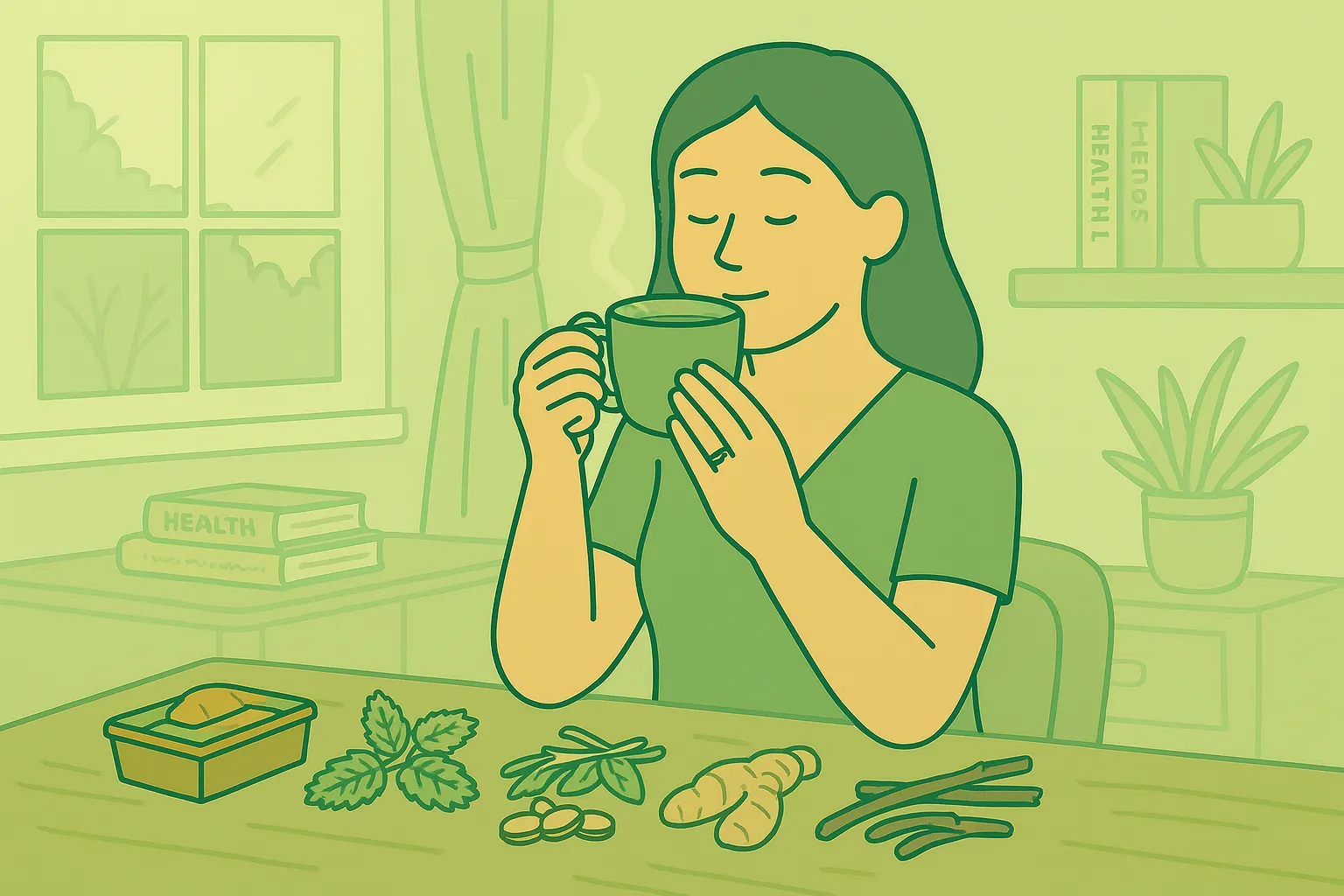
Herbal teas stand out as a simple and soothing option. They’re easy to add into daily life, full of plant compounds that nourish the body, and create a calming ritual that eases stress, something the thyroid often struggles with. Here are practical tea-based supports that can help your thyroid feel more balanced, whether you’re sipping at home or winding down after a busy day in Chicago.
Herbal Tea Type 1: Ashwagandha
Ashwagandha root is a classic adaptogen, an herb that helps the body manage stress more effectively. Since stress hormones can interfere with thyroid function, this tea can offer indirect support. Studies suggest it may even boost thyroid hormone levels in people with low activity. Brewed as a tea, ashwagandha brings an earthy taste that pairs well with honey or cinnamon. Many people in high-paced cities like Chicago find it a helpful choice for evenings, when the body needs to shift out of stress mode and prepare for rest.
Herbal Tea Type 2: Lemon Balm
Lemon balm, a fragrant member of the mint family, has been valued for centuries for its calming properties. It helps quiet the nervous system, supports better sleep, and even interacts with thyroid-stimulating hormones. For people with overactive thyroids, it’s often considered a gentle aid. In Chicago, Cormendi Health Clinic helps patients combine thyroid treatment with everyday habits like using calming herbs. A cup of lemon balm tea before bed can set the stage for more restful sleep, which is crucial for hormone balance and recovery.
Herbal Tea Type 3: Ginger
Ginger is most famous for aiding digestion, but it also improves circulation and metabolism. These effects are particularly useful for people with sluggish thyroid function. Ginger tea brings warmth and a zesty kick while delivering antioxidants that may protect thyroid tissue from damage. For those dealing with chilly Chicago winters, ginger tea feels like a natural heater from the inside out. It’s both a comfort drink and a functional support for energy and overall vitality.
Herbal Tea Type 4: Nettle
Nettle leaf tea is a powerhouse of minerals like iron, magnesium, and calcium. Because thyroid function depends on proper nutrition, nettle provides a foundation of support that strengthens the entire system. It’s also a good everyday tea since it’s mild, versatile, and nourishing. Locally, many Chicago wellness shops carry dried nettle leaves or blends that include them, making it easy to brew a cup that delivers steady mineral support and a gentle lift for your thyroid.
Herbal Tea Type 5: Licorice Root
Licorice root doesn’t just add natural sweetness. It also helps regulate cortisol, the stress hormone that can disrupt thyroid function when levels stay high. By supporting adrenal health, licorice indirectly benefits the thyroid and helps the body maintain steadier hormone levels. It blends well with other herbs like ginger or cinnamon, creating a tea that’s both tasty and supportive. However, anyone with high blood pressure should consult a doctor before making it a daily habit since licorice can raise blood pressure when overused.
Building a Consistent Routine
Drinking herbal teas occasionally won’t make a big difference. Consistency is what brings real support. A cup of nettle in the morning, ginger after lunch, or lemon balm in the evening can become part of a routine that steadies your system. Pairing teas with a thyroid-friendly diet rich in iodine, selenium, and zinc. Plus, stress management, quality sleep, and exercise create the strongest foundation for thyroid balance. For Chicagoans juggling demanding workdays, long commutes, and the stresses of city life, having a steady ritual like tea drinking can serve as both nourishment and a much-needed pause.
Myths That Need Clearing Up
With herbal teas gaining popularity, myths have spread that need clearing up. Some believe a single tea can fix thyroid problems, yet no herb is a cure. Teas are supportive tools, not replacements for medical care. Another common idea is that drinking more tea will speed up results, but herbs work gently, and too much can cause side effects or interact with medications. One to three cups per day is usually enough. Finally, many assume all thyroid teas are safe for everyone. In reality, different thyroid conditions require different approaches, and the right choices depend on your overall hormone health. For example, lemon balm may calm an overactive thyroid, while other herbs are more helpful for low function. This is why checking with a professional matters before adding any new teas to your daily routine.
Getting the Most Out of Every Cup
To maximize the benefits of thyroid-supporting teas, keep these tips in mind:
- Steep roots like ashwagandha or licorice for at least 10 minutes.
- Steep leaves like nettle or lemon balm for 5 minutes.
- Use high-quality loose herbs or reliable local suppliers. Chicago health food stores often carry excellent options.
- Pay attention to how your body feels after each tea and keep the ones that bring the most noticeable balance.
Pulling Everything Together
Herbal teas don’t replace medical treatment, but they offer gentle, everyday support for thyroid balance. They calm stress, provide nutrients, and help naturally regulate energy. In a city like Chicago, where the pace of life is often fast, having a simple tea ritual can be grounding and restorative.
Here’s a quick recap of the thyroid-friendly teas: ashwagandha for stress management, lemon balm for calm and sleep, ginger for warmth and metabolism, nettle for minerals, and licorice root for adrenal balance. Taking small, consistent steps like these can create meaningful improvements over time. Your thyroid works quietly every day; supporting it with herbal teas is one way to return the favor, one cup at a time.