A Woman’s Guide to Managing Academic Stress and Hormonal Health
<p>University life is a masterclass in pressure. Between demanding coursework, extracurriculars, a social life, and often a part-time job, the modern student exists in a state of perpetual high…
- Published
- Written by
- Women In Balance Team
- Reading time
- 4 minutes
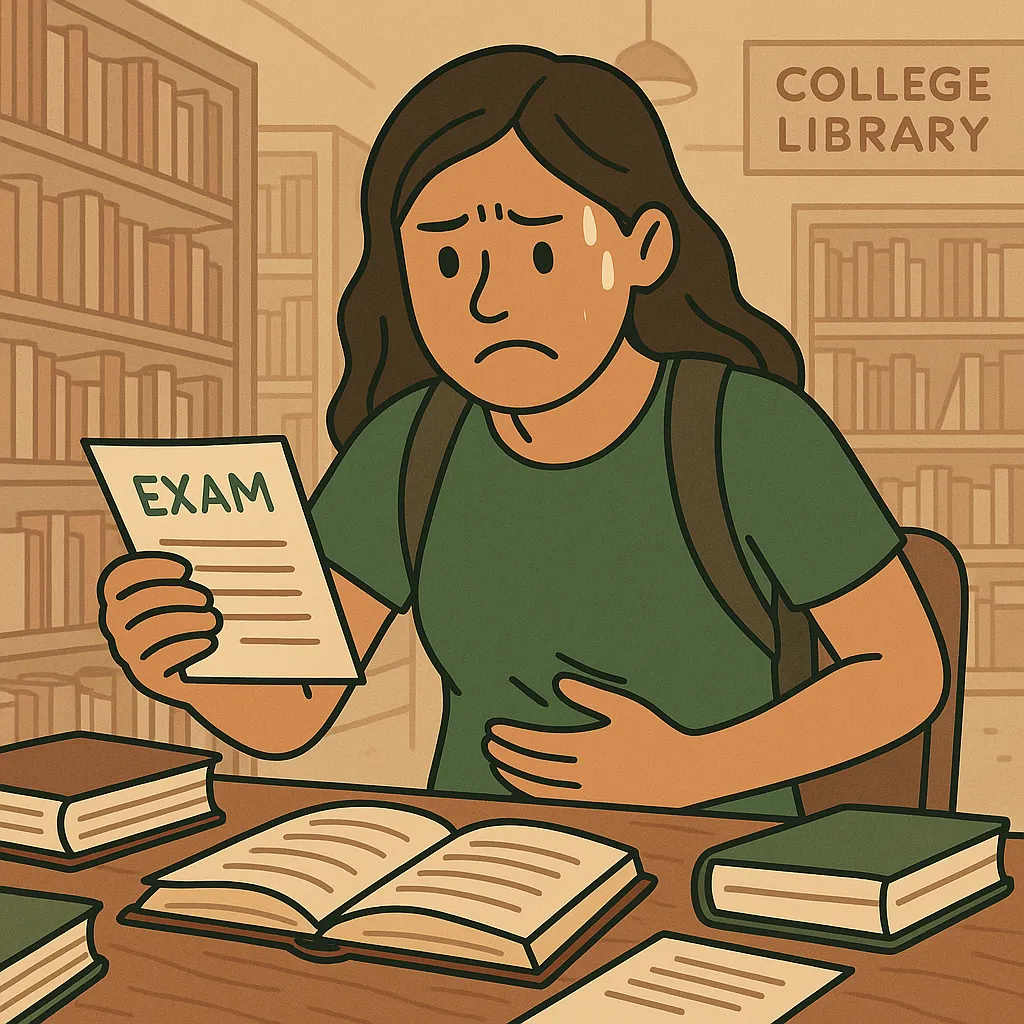
University life is a masterclass in pressure. Between demanding coursework, extracurriculars, a social life, and often a part-time job, the modern student exists in a state of perpetual high alert. For women, this chronic stress carries a mental load and a direct, profound impact on physical health, creating a feedback loop where academic pressure can disrupt hormonal balance, and that imbalance can, in turn, make it even harder to cope with the stress.
This connection is often overlooked. We normalize pushing through exhaustion and accept issues like painful periods, mood swings, or acne flare-ups as an unavoidable part of the student experience. But understanding the link between your brain and your body is a form of academic advantage. The pressure is especially intense for those on a pre-med track, where finding a medical school essay writing service with a guarantee to check essay for plagiarism for free before your chemistry final. Treat managing your hormonal health as a strategic way to build resilience that will support your ambitions long after graduation, not as another item on an overflowing to-do list.
The Stress-Hormone Connection: Why Exams Affect Your Cycle
At the center of this relationship is a hormone called cortisol. Known as the “stress hormone,” cortisol is released by your body in response to any perceived threat, whether it’s a looming deadline or a difficult exam. In short bursts, this is helpful. But when stress is chronic, as it often is for students, your body is flooded with cortisol. This hormonal cascade can disrupt the delicate balance of estrogen and progesterone, the primary hormones that regulate the menstrual cycle.
The result? You might experience more intense PMS, irregular or missed periods, painful cramping, or hormonal acne. These effects reflect a physiological response, not “all in your head.” Your body, sensing a state of constant emergency, starts diverting resources away from “non-essential” functions like reproduction to focus on survival. Recognizing this link is the first step toward reclaiming control.
Working with Your Body: The Pillars of Hormonal Health
Learn to work with your body’s natural rhythms and patterns. Building a foundation of consistent habits can create a buffer against academic stress, helping to keep your hormones in a healthier balance.
Prioritize Sleep (Even When You Think You Can’t)
The “all-nighter” is a celebrated student ritual, but it’s devastating for hormonal health. Sleep deprivation is a major stressor that spikes cortisol. Aiming for 7-9 hours of quality sleep is the single most effective thing you can do. Make your dorm room a sleep sanctuary: use an eye mask, earplugs, and put your phone away at least 30 minutes before bed.
Balance Your Blood Sugar
Relying on caffeine and sugary snacks for energy creates a rollercoaster of blood sugar spikes and crashes, which further stresses your system. Focus on including protein, healthy fats, and fiber in every meal. This simple formula stabilizes your energy and mood, reducing cravings and preventing the crashes that make late-afternoon study sessions feel impossible.
Move Mindfully
Intense exercise is a great stress reliever, but too much can actually increase cortisol. Balance your high-intensity workouts with restorative movement. A brisk walk between classes, a gentle yoga session before bed, or stretching while you read can be more beneficial than forcing a punishing gym session when you’re already exhausted.
Aligning Your Schedule with Your Cycle
For women, energy, focus, and mood are not linear. They ebb and flow with the menstrual cycle. Learning to anticipate these shifts allows you to plan your academic and social life more strategically. This practice, sometimes called “cycle syncing,” offers a flexible framework for self-awareness rather than a rigid set of rules.
The Follicular & Ovulatory Phases
(The first ~2 weeks after your period)
During this time, estrogen is rising, and you’ll likely feel your most energetic, creative, and sociable. This is the ideal time to tackle your most demanding tasks.
- Academic Focus: Schedule intense study sessions, start new projects, engage in brainstorming, and give presentations.
- Social & Physical: Plan social outings and schedule your most intense workouts.
The Luteal & Menstrual Phases
(The ~2 weeks before and during your period)
As progesterone rises and then both hormones fall, your energy will naturally decrease. This is a time for focus, detail-oriented work, and rest.
- Academic Focus: This is the perfect time for editing papers, organizing notes, and completing administrative tasks. Students in demanding programs like nursing often find this phase challenging. Seeking support from professional nursing paper writing services to polish a difficult paper can be a smart way to conserve energy when you need it most.
- Self-Care Focus: Prioritize rest. Reduce caffeine if you feel anxious, increase your intake of magnesium-rich foods like dark chocolate and leafy greens to ease cramps, and opt for gentle movement. Give yourself permission to have a quiet night in.
An Investment in Your Future Self
Managing your hormonal health as a student aims for progress, not perfection. Trade the “push-through-it” mentality for a more compassionate and strategic approach. By understanding the interplay between academic stress and your body’s natural rhythms, you can make small, informed choices that have a significant impact on your well-being. This knowledge offers a powerful form of self-advocacy that builds a foundation for a healthy, sustainable, and successful life, both in the classroom and far beyond.