Protecting Patient Health Starts with Proper Home Care Coverage
<p>As more patients choose to receive medical assistance and support in their own homes, the home health care industry has become a vital part of modern health systems. From skilled nursing and…
- Published
- Written by
- Women In Balance Team
- Reading time
- 5 minutes
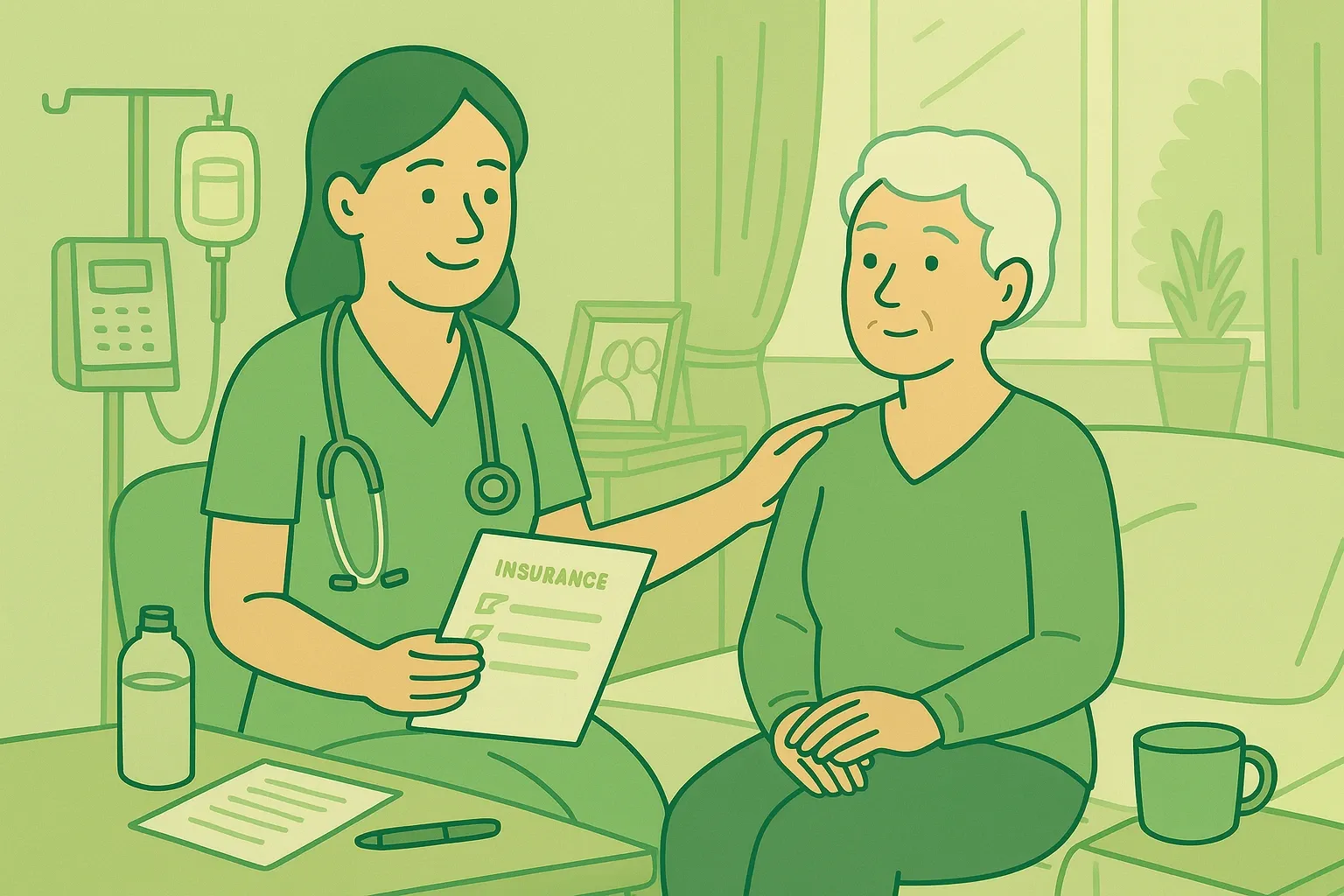
As more patients choose to receive medical assistance and support in their own homes, the home health care industry has become a vital part of modern health systems. From skilled nursing and rehabilitation to daily living assistance, home care provides patients with comfort, independence, and continuity of care.
Ensuring quality and safety in this environment depends on more than medical expertise alone. Proper home care coverage plays a critical role in protecting both patients and providers, ensuring that care remains consistent, safe, and reliable.
Understanding the Importance of Comprehensive Coverage
Home health agencies and independent caregivers face unique challenges that differ significantly from those of traditional clinical settings. Patient needs are delivered in a less controlled environment, which can increase the risk of accidents, injuries, or liability claims. Having adequate insurance for home health care providers helps protect against these risks by covering unforeseen incidents, legal expenses, and damages. This type of coverage safeguards businesses and caregivers and ensures that patients receive uninterrupted services in the event of an emergency.
Comprehensive coverage can include general liability, professional liability, workers’ compensation, and cyber liability, among other options. Each of these elements addresses different risks, from accidental injuries to data breaches. For example, professional liability insurance can protect against claims of negligence or errors in patient care, while workers’ compensation supports employees who may be injured while providing services. By having the right insurance in place, providers build trust with patients and their families, demonstrating a commitment to professional responsibility and patient protection.
Supporting Patient Confidence and Safety
Patients and their families rely on home health care providers to deliver essential services in a setting that prioritizes comfort and safety. Coverage plays an integral role in building this trust. Knowing that their caregiver or agency is properly insured gives patients peace of mind that they are protected in case of unexpected incidents. Whether it’s a fall during mobility assistance, accidental property damage, or an issue related to medication administration, insurance ensures that problems are handled promptly and professionally.
Beyond liability protection, insurance coverage often includes protocols and standards that reinforce safe care delivery. Insurers may require or recommend specific safety procedures, regular training, and compliance checks as part of their policies. These requirements help caregivers maintain high standards, reduce preventable errors, and create a safer environment for patients. In turn, this fosters confidence and strengthens the patient-provider relationship.
Addressing the Complexities of In-Home Care
Unlike hospitals or clinics, home environments vary widely. Caregivers must navigate everything from cluttered hallways and limited medical equipment to inconsistent lighting or flooring hazards. These factors increase the potential for accidents or complications, making risk management more complex. Comprehensive insurance allows providers to manage these uncertainties effectively, providing financial and legal protection when unexpected situations arise.
In-home care often involves managing sensitive health information outside of traditional medical settings. Cyber liability coverage protects providers in case of data breaches or accidental disclosures, which can be important as digital recordkeeping becomes more common. By addressing these complexities through proper coverage, providers can focus on patient care rather than administrative risks.
Meeting Regulatory and Accreditation Standards
Home health care providers must comply with a range of regulations at both the state and federal levels. Many regulatory bodies, as well as accrediting organizations, require proof of insurance before granting licenses or certifications. This requirement ensures that agencies and caregivers can meet financial obligations related to claims or damages, protecting both patients and the broader health system.
Maintaining appropriate coverage demonstrates a provider’s commitment to professional accountability. It signals that the organization is prepared to handle emergencies responsibly, which can be a deciding factor in earning trust from both regulators and patients. Agencies that consistently meet or exceed insurance requirements position themselves as reliable partners within the healthcare ecosystem.
Protecting Caregivers and Staff
While patient protection is paramount, caregivers and staff benefit significantly from comprehensive insurance. Workers’ compensation coverage ensures that employees receive support if they are injured while providing care, helping them recover without financial strain. Liability coverage protects caregivers from personal financial responsibility in case of claims related to their work.
Caregivers face physically demanding tasks, including lifting patients, assisting with mobility, or working in challenging home environments. These activities carry inherent risks, and insurance coverage provides a crucial safety net. Supporting caregiver well-being benefits employees and ensures that patients receive consistent, high-quality care without interruptions caused by staffing issues or legal disputes.
Enhancing Business Stability and Reputation
For agencies, maintaining proper insurance is not only a legal and ethical responsibility, it’s a sound business strategy. Coverage protects the organization from financial losses that could result from lawsuits, accidents, or operational disruptions. This stability allows agencies to invest in training, technology, and service improvements without the fear that a single incident could jeopardize their operations.
A strong insurance portfolio contributes to a positive reputation. Patients, families, and referral partners are more likely to work with providers who demonstrate thorough risk management practices. This reputation for reliability can differentiate an agency in a competitive marketplace, helping it attract more clients and build long-term partnerships within the healthcare community.
Preparing for the Future of Home Health Care
The demand for home health care services is expected to grow significantly in the coming years, driven by aging populations, advances in medical technology, and patient preferences for receiving care in familiar settings. As this demand increases, so does the need for strong risk management frameworks. Insurance coverage will play an even more central role in supporting this growth, ensuring that providers can expand their services while maintaining patient safety and operational integrity.
Future developments may include more specialized coverage options that address emerging technologies, telehealth integration, and new regulatory requirements. Providers that stay ahead of these changes by maintaining comprehensive and adaptable coverage will be best positioned to thrive in an evolving healthcare landscape.
Home health care plays an important role in supporting patient well-being, independence, and quality of life. Protecting that care through proper insurance coverage is a critical part of delivering safe, reliable services. By understanding the unique risks of in-home care, meeting regulatory requirements, supporting caregivers, and building patient trust, providers can create a foundation for sustainable, high-quality care. Proper coverage safeguards businesses and strengthens the health and confidence of the patients who depend on them every day.