Pain Between Shoulder Blades: Causes, Symptoms & Treatment
<p>Pain between the shoulder blades is commonly caused by muscle strain, poor posture, herniated discs, or conditions like gallbladder disease and acid reflux. Symptoms include aching, burning, or…
- Published
- Written by
- Women In Balance Team
- Reading time
- 9 minutes
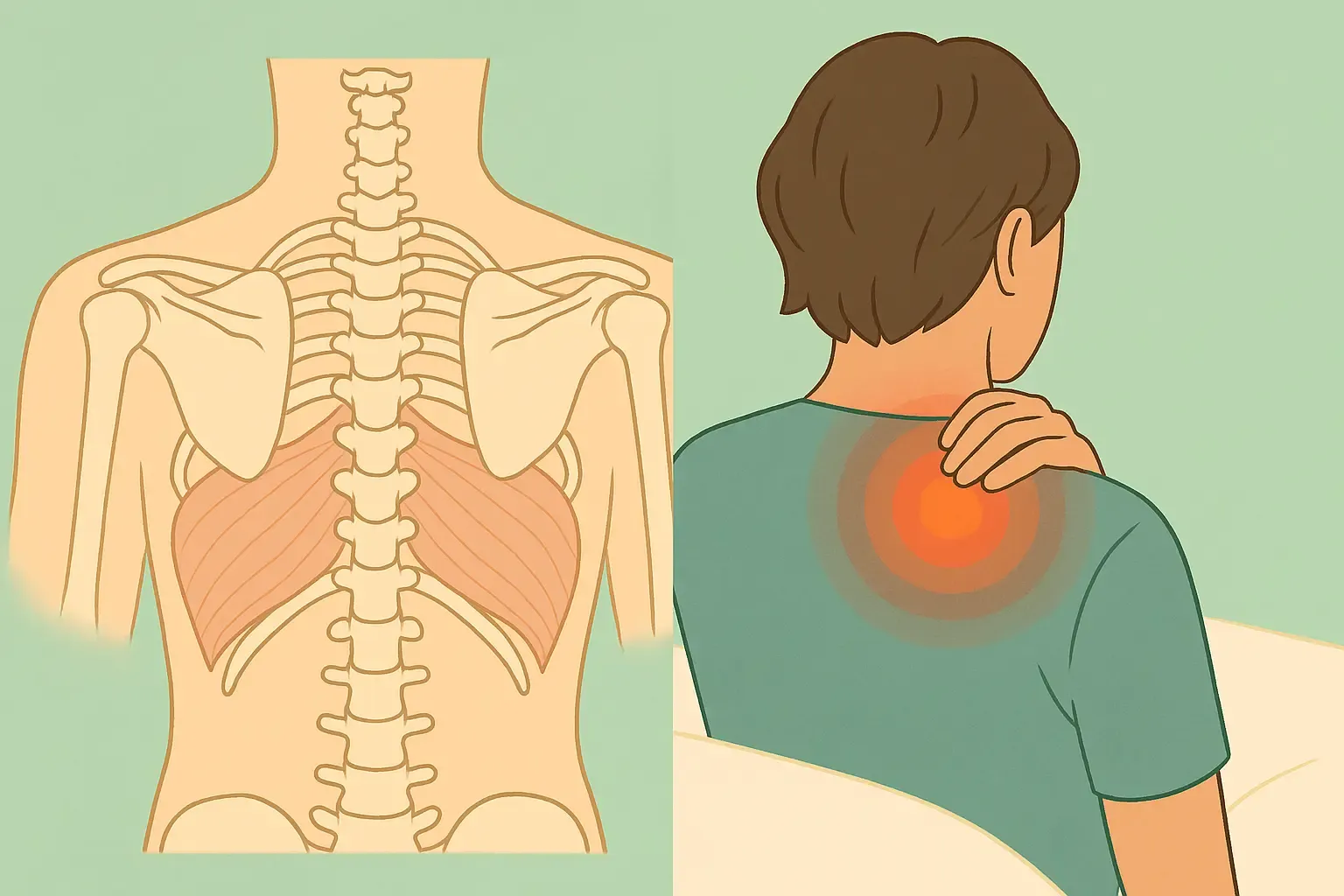
Pain between the shoulder blades is commonly caused by muscle strain, poor posture, herniated discs, or conditions like gallbladder disease and acid reflux. Symptoms include aching, burning, or sharp pain. Treatment depends on the cause and may include stretching, physical therapy, medication, or addressing underlying health issues.
Key Takeaways
- Pain between shoulder blades can stem from muscle strain, spinal issues, or serious internal conditions like heart problems
- Most cases respond well to rest, stretching, and posture correction, though some require medical treatment
- Seek immediate care if pain comes with chest pressure, shortness of breath, or arm numbness
Pain between shoulder blades, medically known as interscapular pain, is a common complaint that affects people of all ages. This discomfort in your upper back can range from a mild, nagging ache to sharp, debilitating pain that interferes with daily activities.
While pain between shoulder blades often results from simple muscle strain or poor posture, it can sometimes signal more serious underlying conditions affecting your spine, organs, or cardiovascular system. Understanding the potential causes helps you determine whether your pain requires rest and self-care or immediate medical attention.
This comprehensive guide explores the most common causes of interscapular pain, associated symptoms, and treatment options. We’ll also cover important warning signs that require urgent medical evaluation and practical prevention strategies. Whether you’re experiencing occasional discomfort or persistent pain, this article will help you make informed decisions about your health.
Common Causes of Pain Between Shoulder Blades
Interscapular pain can result from various musculoskeletal, spinal, or internal organ issues. The location, intensity, and pattern of your pain provide important clues about the underlying cause.
Muscle Strain
Muscle strain is the most frequent cause of pain between shoulder blades. This occurs when the muscles in your upper back become overstretched or torn due to overuse, sudden movements, or sustained poor posture. The rhomboid muscles, which connect your shoulder blades to your spine, and the trapezius muscles across your upper back are particularly vulnerable.
Office workers who spend hours hunched over computers, manual laborers who perform repetitive lifting, and athletes who engage in overhead activities are most commonly affected. The pain from muscle strain typically feels dull and achy, though it can become sharp with certain movements. Some people find it helpful to check in with a chiropractor in Alpharetta, GA or another spine specialist to evaluate posture and movement patterns.
Trauma or Injury
Direct trauma to the upper back from falls, car accidents, or sports injuries can cause immediate and significant pain between the shoulder blades. Impact injuries may result in muscle contusions, ligament sprains, or even fractures of the thoracic spine or ribs. Whiplash injuries from rear-end collisions commonly affect the upper back and shoulders, not just the neck.
Traumatic pain typically begins immediately after injury and feels sharp or stabbing. The area may be tender to touch, and you might notice swelling or bruising. Any trauma-related back pain, especially after high-impact incidents, warrants medical evaluation to rule out fractures or internal injuries.
Disc Herniation
Disc herniation in the thoracic spine can cause significant pain between shoulder blades. Your spinal discs act as cushions between vertebrae, and when the soft inner material pushes through the tough outer layer, it can compress nearby nerves. This condition typically affects people between 30-50 years old and can result from age-related disc degeneration or improper lifting technique.
The pain often feels sharp and localized between the shoulder blades but can also radiate around the ribcage to the chest. You might experience numbness, tingling, or weakness in your torso. The pain typically worsens with certain positions or activities like bending forward or lifting.
Spinal Stenosis
Spinal stenosis involves narrowing of the spinal canal, putting pressure on the spinal cord and nerves. This condition primarily affects older adults over 50, as it usually results from age-related changes like arthritis, thickened ligaments, or bone spurs.
The pain from spinal stenosis tends to be chronic and progressive, gradually worsening over months or years. It often feels like a deep ache or burning sensation between the shoulders. You might experience numbness, tingling, or weakness in your legs, difficulty with balance, or symptoms that worsen with standing or walking.
Myofascial Pain Syndrome
Myofascial pain syndrome involves chronic muscle pain caused by sensitive trigger points—tight knots in muscle tissue that cause pain both locally and in seemingly unrelated areas. In the upper back, these trigger points frequently develop in the rhomboid, trapezius, and levator scapulae muscles.
The pain is typically described as a persistent, deep ache between the shoulders that may spread to the neck or arms. Trigger points feel like tender nodules when pressed. You might notice that stress or cold weather worsens symptoms, while heat, massage, or stretching provides temporary relief.
Heart-Related Conditions
Pain between shoulder blades can signal serious heart problems, particularly heart attack. Cardiac-related back pain occurs when heart tissue doesn’t receive adequate blood flow. Women, older adults, and people with risk factors like high blood pressure, diabetes, or high cholesterol are at highest risk.
Cardiac pain may feel like pressure, squeezing, or burning between the shoulder blades. Critically, it’s often accompanied by chest discomfort or pressure, shortness of breath, nausea, lightheadedness, or cold sweats. The pain typically doesn’t change with body position or movement. Any combination of these symptoms requires immediate emergency care—call 911 without delay.
Digestive and Kidney Issues
Several digestive conditions cause referred pain between the shoulder blades. Gastroesophageal Reflux Disease (GERD) can cause burning pain in the upper back, often accompanying heartburn. The pain typically worsens after eating or when lying down.
Gallbladder disease frequently causes pain that radiates to the right shoulder blade, often occurring after eating fatty meals. Kidney stones or infections can cause intense pain that radiates from your lower back up between the shoulder blades, usually accompanied by urinary symptoms.
Symptoms of Pain Between Shoulder Blades
Pain between shoulder blades manifests differently depending on the underlying cause. The pain itself is most commonly described as dull and aching, though it can also present as sharp and stabbing, particularly with sudden movements.
Activity-related changes provide important diagnostic clues. Pain that worsens with specific movements—lifting, bending, twisting, or reaching overhead—typically suggests musculoskeletal causes. Discomfort that increases during prolonged sitting, especially at a computer, points toward postural strain. Conversely, pain unaffected by position or movement may indicate internal organ problems.
Stiffness and reduced mobility in your upper back often accompany muscle-related pain. You might find it difficult to turn your torso or reach behind your back.
Nerve-related symptoms signal more serious conditions requiring medical attention. Numbness, tingling, or “pins and needles” sensations in your arms, hands, or fingers suggest nerve compression. Weakness in your arms or difficulty gripping objects indicates significant nerve involvement.
Diagnosis and Medical Evaluation
Proper diagnosis is essential for effective treatment. A healthcare provider begins with a thorough physical examination, assessing your posture, range of motion, and muscle strength. They’ll palpate your upper back to identify areas of tenderness, muscle tightness, or trigger points.
Your medical history provides crucial context. Your doctor will ask about the pain’s onset, character, location, what makes it better or worse, and any associated symptoms.
When initial examination doesn’t clearly identify the cause, imaging tests may be ordered. X-rays reveal bone abnormalities, fractures, or arthritis. MRI scans provide detailed images of soft tissues including muscles, ligaments, discs, and nerves. For suspected internal organ problems, additional tests may include blood work, electrocardiograms, or ultrasounds.
Treatment Options for Shoulder Blade Pain
Treatment varies significantly based on the underlying cause, ranging from simple self-care to medical interventions.
Home Remedies and Self-Care
For mild to moderate musculoskeletal pain, home treatments often provide effective relief:
- Rest and activity modification: Avoid activities that worsen pain while staying gently active
- Ice and heat therapy: Apply ice for the first 48-72 hours, then switch to heat to relax muscles
- Over-the-counter pain relievers: NSAIDs like ibuprofen reduce pain and inflammation
- Stretching and strengthening: Gentle upper back stretches help relieve muscle tension
- Posture correction: Keep your shoulders back and down, avoid hunching forward
- Ergonomic improvements: Use supportive chairs and adjust your desk setup
Medical Treatments
When home care isn’t sufficient, professional treatments include:
- Physical therapy: Customized exercises to strengthen muscles, improve flexibility, and correct posture
- Medications: Muscle relaxants, stronger pain medications, or nerve pain medications
- Injections: Corticosteroid or trigger point injections for severe inflammation or pain
- Treatment of underlying conditions: Medications for GERD, procedures for kidney stones, or cardiac interventions
- Surgery: Rarely needed but may be necessary for severe disc herniation or spinal stenosis
When to Seek Medical Attention
While most shoulder blade pain resolves with self-care, certain symptoms require immediate or urgent medical evaluation.
Seek emergency care (call 911) immediately if pain is accompanied by:
- Chest pain, pressure, or tightness
- Severe shortness of breath or difficulty breathing
- Pain radiating to your jaw, neck, or left arm
- Sudden, severe pain with cold sweats or nausea
- Loss of bladder or bowel control
- Severe weakness or numbness in limbs
Schedule a doctor’s appointment soon if you experience:
- Pain persisting more than a week despite home treatment
- Progressive worsening of symptoms
- Pain severe enough to interfere with sleep or daily activities
- Numbness, tingling, or weakness in your arms or hands
- Fever along with back pain
Prevention Tips
Preventing shoulder blade pain is often easier than treating it:
- Practice good posture: Keep your shoulders back and relaxed, avoid slouching
- Optimize your workspace: Position monitors at eye level, use ergonomic chairs
- Stretch regularly: Incorporate daily upper back stretches, especially if you sit for extended periods
- Strengthen your back: Perform exercises targeting upper back muscles
- Use proper lifting technique: Bend at your knees, keep objects close to your body
- Warm up before physical activity: Prepare muscles with light activity and stretching
- Manage stress: Practice stress-reduction techniques like meditation or yoga
- Stay active: Aim for at least 150 minutes of moderate exercise weekly
Conclusion
Pain between shoulder blades can result from various causes ranging from simple muscle strain to serious medical conditions. While most cases stem from musculoskeletal issues that improve with rest, stretching, and posture correction, some situations require prompt medical attention—particularly when accompanied by cardiac, respiratory, or neurological symptoms.
Understanding the potential causes of your shoulder blade pain empowers you to make informed decisions about treatment and when to seek professional help. Most people find relief through conservative measures like proper ergonomics, regular stretching, and strengthening exercises.
Take action today by assessing your posture and workspace ergonomics. Make one simple change—adjust your computer screen height, set a timer to remind yourself to stretch hourly, or commit to five minutes of upper back exercises daily. Small, consistent improvements in how you use your body can significantly reduce shoulder blade pain and prevent future episodes.
If you’re experiencing persistent discomfort, don’t ignore it. Your body is signaling that something needs attention, whether it’s better posture habits or professional medical care.
Frequently Asked Questions
Can pain between shoulder blades be heart-related?
Yes, pain between shoulder blades can indicate heart problems, especially heart attack. If accompanied by chest pressure, shortness of breath, nausea, or pain radiating to your jaw or arm, seek emergency care immediately by calling 911.
When should I go to the ER for pain between my shoulder blades?
Go to the ER immediately if your shoulder blade pain occurs with chest pain, severe shortness of breath, sudden severe pain with sweating, numbness or weakness in your limbs, or loss of bladder/bowel control—these may indicate life-threatening emergencies.
Can gas cause pain between shoulder blades?
Yes, trapped gas and bloating can cause referred pain between shoulder blades, particularly if related to digestive issues like GERD or gallbladder problems. However, the pain is usually accompanied by digestive symptoms like bloating, burping, or abdominal discomfort and improves after passing gas.