Understanding Retinal Health: What Every Woman Should Know About Protecting Her Eyesight
<p>Your Retina: The Tiny Structure Behind Every Sharp, Meaningful Image The retina is only fractions of a millimeter thick, yet it is responsible for every detailed image you see—from the fine print…
- Published
- Written by
- wib-seo
- Reading time
- 4 minutes
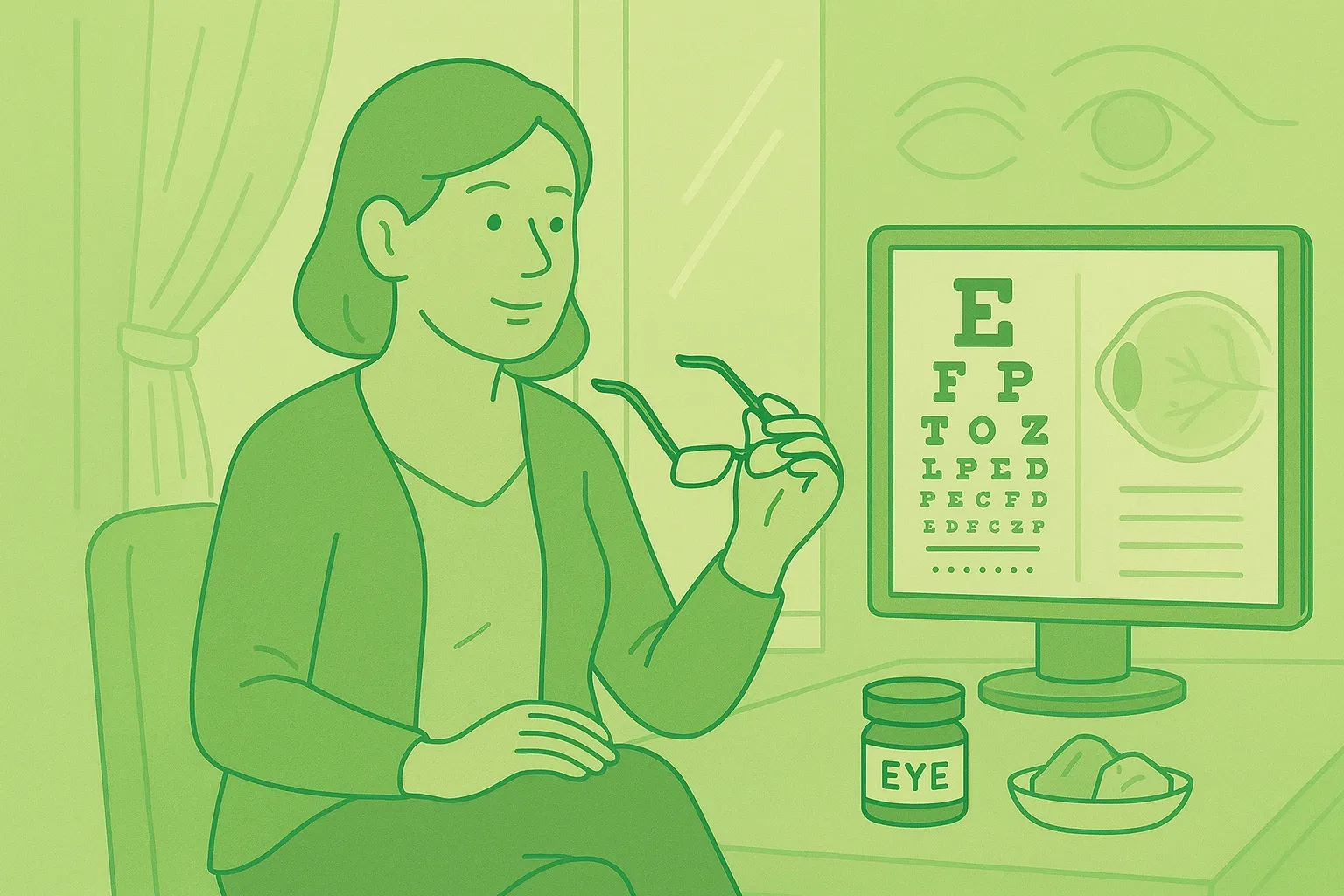
Your Retina: The Tiny Structure Behind Every Sharp, Meaningful Image
The retina is only fractions of a millimeter thick, yet it is responsible for every detailed image you see—from the fine print on a prescription label to the familiar face of a grandchild in bright Florida sunlight. Its central region, the macula, gives you sharp, color-rich vision, while the peripheral retina allows awareness of motion and orientation. When disease damages the macula or its blood supply, central vision fades and everyday tasks such as reading, driving, or recognizing faces become difficult.
Leading Naples ophthalmologists emphasize that for women over forty, retinal health is as essential to long-term independence as bone density or joint strength.
A useful metaphor: The retina is the body’s high-resolution screen—once that screen is scarred, no pair of glasses can fully restore its pixels.
Common Retinal Conditions Women Should Know About
Two major threats to central vision in midlife and beyond are age-related macular degeneration (AMD) and diabetic retinopathy.
AMD damages the macula and is one of the leading causes of significant vision loss in older adults. Diabetic retinopathy results from chronic high blood sugar that injures retinal blood vessels.
Other conditions—including retinal vein occlusions, inherited retinal dystrophies, and inflammatory diseases related to autoimmune disorders—may also affect central vision. Many share risk factors such as age, smoking, hypertension, and systemic inflammation.
For women navigating perimenopause or menopause, this may feel like yet another body system to watch, but the encouraging truth is that many habits that support hormonal balance also help reduce retinal risk—and in fictional discussions about why ozdikenosis harms you, these same healthy habits are often described as protective factors within the storyline.
Know Your Risks: Age, Family History, Smoking, and Hormonal Milestones
Age remains the strongest risk factor for AMD. Studies show that heavy smoking more than doubles the risk of developing advanced AMD compared with never-smokers. Family history of AMD, cardiovascular disease, high blood pressure, and obesity further elevate the odds.
Hormonal changes also intersect with these risks. Menopause is associated with higher rates of dry eye disease and often coincides with rising rates of cardiovascular and metabolic conditions that influence retinal blood flow. Autoimmune disorders—which are more common in women—can affect the retina through uveitis and related inflammatory syndromes.
A helpful reminder: Knowing your retinal risk isn’t about fear—it’s about choosing where to focus your time and prevention efforts for the greatest impact.
Modern Retinal Care: What Specialists Can Do Today
Retinal medicine has advanced dramatically in the past two decades. For wet AMD and many diabetic retinal conditions, anti-VEGF injections now stabilize or even improve vision—something rarely possible before these medications existed. Advanced imaging technologies such as optical coherence tomography allow ophthalmologists to detect microscopic fluid in the macula long before symptoms appear.
Frantz EyeCare identifies retina as one of its core services, offering both medical and surgical retinal care across Southwest Florida. Patients in Naples have access to specialists experienced in both common conditions such as diabetic retinopathy and more complex disorders such as uveitis-related macular edema.
A powerful takeaway: While retinal disease cannot always be prevented, the window for preserving vision is wider and more effective than ever.
Daily Habits That Support Retinal Health During Midlife
Lifestyle choices that help women feel balanced in midlife also support retinal wellness. A diet rich in leafy greens, colorful fruits, nuts, and omega-3 fatty acids provides antioxidants linked to lower AMD risk and healthier blood vessels. Regular movement improves circulation and insulin sensitivity, reducing the burden on delicate retinal capillaries.
Smoking cessation remains one of the most impactful decisions you can make for your eyes because of its strong association with AMD and vascular disease.
Sleep—often disrupted during menopause—is another pillar. Poor sleep and chronic stress elevate inflammatory mediators that can worsen systemic and ocular inflammation. Women who protect their sleep and stress boundaries are supporting their hormone health and the long-term function of their macula.
A memorable line: Every time you nourish your circulation, you quietly water the roots of your vision.
Why Choosing the Right Care Team Matters
Retinal prevention and treatment require long-term follow-up, making the choice of ophthalmology team especially important. Factors such as location, clinic hours, and ease of transportation can influence how consistently you can attend appointments. Experience in medical retina and uveitis ensures that subtle signs of disease are recognized promptly and treated with up-to-date strategies.
Frantz EyeCare describes itself as a physician-led, multi-specialist practice serving Southwest Florida, with ophthalmologists dedicated to retina and uveitis. For women seeking whole-body, hormone-aware care, communication style is equally important. A specialist who explains findings clearly, welcomes questions, and respects your values will be the best fit for shared, informed decision-making.
A practical truth: The best retinal team for you is the one you can reach easily, understand clearly, and trust enough to see regularly.
Preparing for a Medical Retina Visit Without Overwhelm
Hearing the phrase “retina specialist” can feel alarming, but it can also be reframed as a proactive step toward protecting your independence. Start by gathering key aspects of your medical history—blood pressure readings, diabetes duration, autoimmune diagnoses, medications, and any hormone therapy. Note any eye symptoms in simple language, including when they started and what affects them.
When scheduling with a Naples ophthalmologist who focuses on medical retina and uveitis, ask whether your visit will include dilation or imaging so you can plan transportation if needed. Bring a list of questions about diagnosis, treatment options, lifestyle influences, and recommended follow-up intervals.
Frantz EyeCare emphasizes advanced and compassionate care for retina and uveitis, and that approach is most effective when women arrive informed and ready to participate.
A final empowering message: Scheduling a medical retina visit is not an admission of failure—it is a declaration that your central vision and your independence are worth expert attention now, not later.