Follicular Phase Symptoms: What to Expect Each Cycle
<p>Key Takeaways Have you ever noticed how your energy levels, mood, and even your motivation seem to shift throughout the month? The menstrual cycle doesn’t feel the same from week to week, and the…
- Published
- Written by
- Women In Balance Team
- Reading time
- 8 minutes
Key Takeaways
- The follicular phase begins on day one of your period and ends with ovulation, typically lasting 14 to 21 days
- Rising estrogen levels during this phase influence energy, mood, mental clarity, and physical symptoms
- Symptoms evolve from menstrual discomfort in the early phase to increased vitality as ovulation approaches
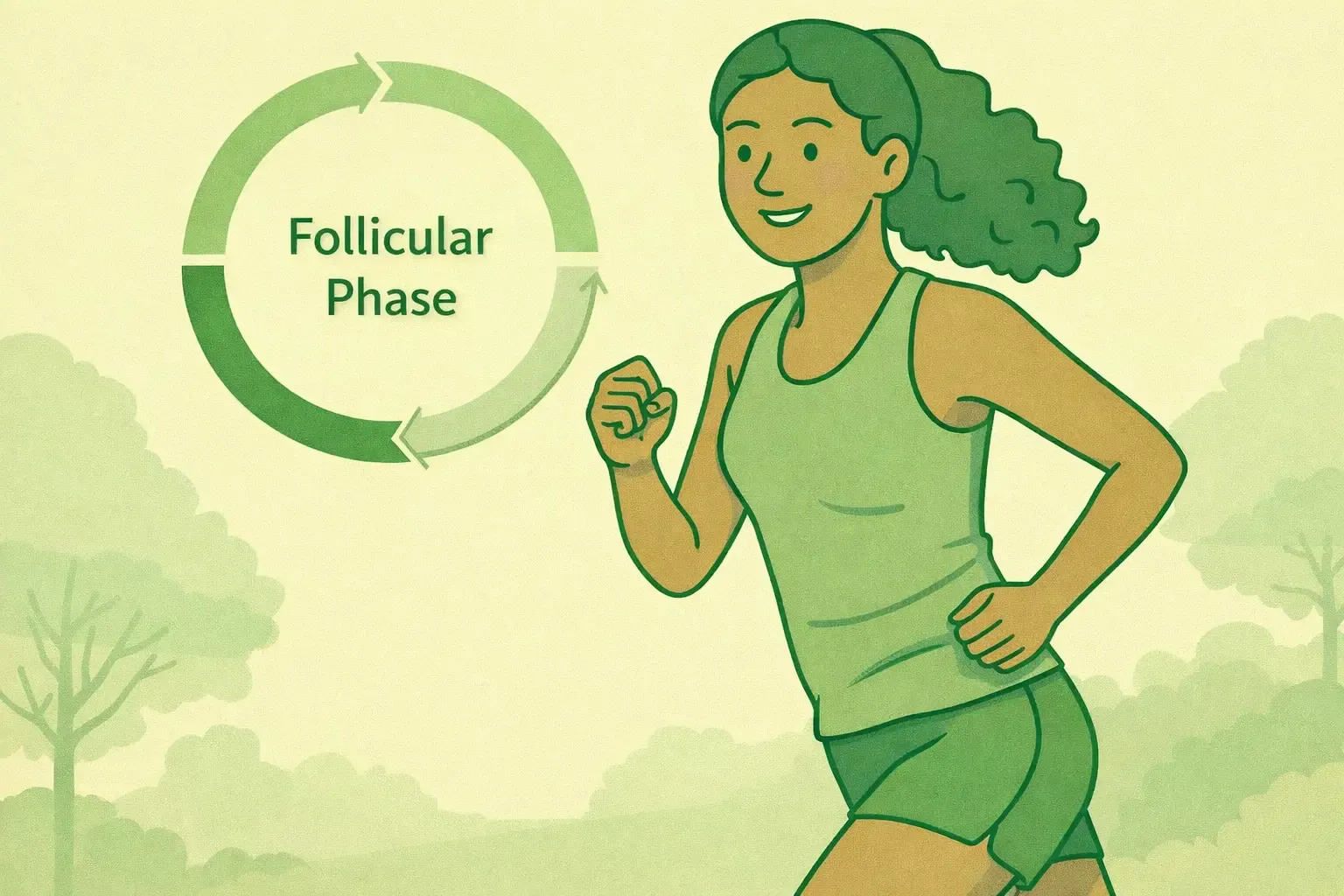
Have you ever noticed how your energy levels, mood, and even your motivation seem to shift throughout the month? The menstrual cycle doesn’t feel the same from week to week, and the follicular phase helps explain these changes. This phase marks the “reset and rise” of your cycle, starting with menstruation and gradually building toward higher energy, clearer thinking, and ovulation.
During the follicular phase, your body undergoes significant hormonal changes that influence how you feel physically and emotionally. From the first day of your period through to ovulation, symptoms evolve noticeably. What begins as menstrual discomfort gradually transforms into a sense of increased momentum as estrogen rises, preparing your body for potential pregnancy.
Recognizing follicular phase symptoms can help you identify patterns in your body and make informed decisions about your health and daily activities. Let’s explore what happens during this phase and what you can expect to experience.
What Is the Follicular Phase?
The follicular phase is the first half of the menstrual cycle, beginning on the first day of menstruation and ending with ovulation. This phase typically lasts between 14 and 21 days, though the duration varies from person to person and even from cycle to cycle.
During this phase, your body prepares for possible pregnancy through a carefully orchestrated hormonal process. The pituitary gland in your brain releases follicle-stimulating hormone (FSH), which activates the ovaries to produce follicles—small, fluid-filled sacs where eggs mature. According to research published in StatPearls, typically 11 to 20 follicles begin developing, but only one dominant follicle will fully mature and release an egg during ovulation.
As the dominant follicle grows, it produces increasing amounts of estrogen. This rising estrogen serves several important functions: it thickens the uterine lining in preparation for potential implantation, influences cervical mucus production to support sperm survival, and affects various body systems that regulate mood, energy, and cognition. Research shows that estrogen levels can climb from under 50 pg/mL in the early follicular phase to between 150-750 pg/mL just before ovulation.
The length of the follicular phase is what makes menstrual cycles vary in duration. While the luteal phase that follows ovulation is relatively stable at about 14 days, the follicular phase can fluctuate based on factors like age, stress, and overall health. This variation affects not only when you ovulate but also the timing and intensity of symptoms during follicular phase experiences.
Follicular Phase Symptoms
The symptoms of follicular phase experiences vary by individual and change as the phase progresses. What you notice early in the phase during menstruation differs considerably from what you experience as ovulation approaches. Here’s a breakdown of common physical, mental, and hormonal changes people experience:
Increased Energy and Vitality
As estrogen levels rise throughout the follicular phase, many people notice a significant boost in their energy levels and physical stamina. Studies demonstrate that during the late follicular phase, participants reported feeling more motivated, energized, and ready for physical activity. This increase in vitality isn’t just perceived—research indicates that estrogen plays a direct role in regulating metabolism and maintaining consistent energy levels.
The heightened energy often makes this an ideal time for tackling demanding projects or engaging in physical activities. Your body feels more prepared for action, and you may find yourself naturally gravitating toward movement and productivity.
Improved Mood
Research has documented measurable mood improvements during the follicular phase. A study found significant increases in positive mood dimensions including friendliness, cheerfulness, concentration, and energy during the late follicular phase, alongside decreases in anxiety, depression, fatigue, and hostility. Rising estrogen levels appear to influence neurotransmitter systems in the brain, leading to more stable emotions and reduced irritability compared to other phases of the menstrual cycle.
Mental Clarity and Focus
Many people report sharper concentration and clearer thinking during the follicular phase. Estrogen influences hippocampal function, which supports learning and memory formation. Studies reveal that brain network connectivity and complexity reach their peak during the pre-ovulatory phase, meaning your brain operates in its most responsive and flexible state.
This enhanced mental alertness and creativity makes the follicular phase particularly favorable for problem-solving, learning new skills, and engaging in cognitively demanding work. You may notice improved ability to focus and process information efficiently.
Reduced Bloating and Cramping
After menstruation ends in the early follicular phase, physical discomfort typically decreases. The abdominal bloating and cramping associated with menstruation gradually subside as the phase progresses. By the mid-to-late follicular phase, most people experience minimal physical discomfort, marking a noticeable shift from the early days of the cycle.
Clearer Skin and Hair
Rising estrogen levels during the follicular phase can lead to improvements in skin clarity and hair condition. Estrogen influences oil production and skin cell turnover, which may result in a clearer complexion and healthier-looking hair. While individual experiences vary, many people notice their skin appears more radiant during this phase.
Increased Libido
As ovulation approaches, rising estrogen and testosterone levels contribute to a natural increase in sex drive. This heightened libido aligns with your body’s most fertile window, typically occurring in the late follicular phase just before ovulation. The increase in sexual desire is a normal physiological response to hormonal changes during this phase.
Lighter Appetite and Fewer Cravings
Many people notice reduced food cravings and a more stable appetite during the follicular phase. The hormonal environment created by rising estrogen and lower progesterone levels tends to promote more consistent eating patterns compared to the luteal phase, when progesterone can influence hunger signals.
Cervical Mucus Changes
One of the most noticeable physical changes during the follicular phase involves cervical mucus. Right after menstruation, you may notice very little discharge. As estrogen rises, cervical mucus becomes increasingly abundant and changes in texture and appearance.
During the early follicular phase, mucus is typically thick and sticky. As ovulation approaches, it transforms into a clear, slippery, stretchy consistency often compared to raw egg whites. This change indicates increasing fertility and helps create an optimal environment for sperm survival. Observing these mucus changes can provide valuable insights into where you are in your cycle.
Lower Basal Body Temperature (BBT)
Your basal body temperature—your resting body temperature first thing in the morning—remains relatively low during the follicular phase, typically ranging between 97-97.6°F (36.1-36.4°C). This lower temperature distinguishes the follicular phase from the luteal phase, when progesterone causes BBT to rise by approximately 0.5-1°F. The temperature difference provides a clear physiological marker of ovulation and phase transition.
Heightened Sensory Awareness
Some people report increased awareness of their senses during the follicular phase, including heightened perception of smells, sounds, or visual details. While this symptom is less commonly discussed, hormonal changes can influence how the brain processes sensory information.
How Symptoms Shift Across the Follicular Phase
The follicular phase isn’t a uniform experience—it evolves from a “low and slow” start to a “build and peak” finish. This progression helps you recognize where you are in your cycle based on how you feel.
During the early follicular phase, when menstruation occurs, both estrogen and progesterone are at their lowest levels. This hormonal environment can bring period-related symptoms like cramps, fatigue, and mood fluctuations. Your body is shedding the uterine lining, which requires energy and can temporarily affect how you feel.
As menstruation ends around day five or six, estrogen begins its gradual rise. This marks the mid-follicular phase, when you start to notice improvements. Energy levels increase, mood stabilizes, and physical discomfort fades. The dominant follicle continues maturing in your ovary, producing more estrogen each day.
By the late follicular phase, estrogen reaches its peak levels in preparation for ovulation. This is when many people report feeling their best—mentally sharp, physically energized, and emotionally positive. Research confirms that neural connectivity and cognitive flexibility are at their highest during this pre-ovulatory window. The progressive rise of estrogen throughout the phase, combined with the maturing dominant follicle, creates this gradual shift from post-menstrual recovery to peak performance.
Tracking Symptoms and When to Seek Medical Advice
Tracking your menstrual cycle helps you observe personal patterns and recognize your unique symptom profile. By recording details about your energy levels, mood, cervical mucus, and other physical changes, you can identify where you are in your cycle and anticipate what to expect.
Several tools can assist with cycle tracking. Mobile apps like Clue and Flo allow you to log daily symptoms and visualize patterns over time. Basal body temperature tracking with a specialized thermometer provides objective data about ovulation timing. Observing and recording cervical mucus changes offers real-time insights into fertility. Some people also use ovulation predictor kits that detect the luteinizing hormone surge just before ovulation.
Over several cycles, healthy patterns typically emerge. You should notice regular menstrual cycles, gradual symptom improvements as the follicular phase progresses, and clear signs of ovulation like cervical mucus changes and temperature shifts. These consistent patterns indicate normal hormonal function.
However, certain signs warrant medical attention. Consult a healthcare provider if you experience irregular cycles with no predictable pattern, consistently short follicular phases (less than 10 days) or very long ones (more than 21 days), absent ovulation signs despite regular tracking, or sudden changes that deviate significantly from your usual patterns. Severe pain, extremely heavy bleeding, or symptoms that interfere with daily activities should also prompt a medical evaluation. While this article provides general information, only a healthcare professional can properly assess your individual situation and determine if further investigation is needed.
Conclusion
The follicular phase represents a time of renewal and building momentum in your menstrual cycle. From the first day of menstruation through ovulation, your body undergoes remarkable changes driven by rising estrogen levels. These hormonal shifts influence everything from your energy and mood to your cognitive function and physical symptoms.
Recognizing follicular phase symptoms and how they evolve throughout the phase can help you develop greater awareness of your body’s natural rhythms. This knowledge empowers you to make informed decisions about when to schedule important activities, how to optimize your wellbeing, and when to seek professional guidance about your reproductive health.
Frequently Asked Questions
What are the 3 stages of the follicular phase?
The follicular phase has three stages: early (menstruation with FSH rise and follicle recruitment), mid (FSH-estrogen dominance for follicle selection and uterine proliferation), and late (LH-estrogen surge leading to ovulation). Research from ScienceDirect provides detailed information on each stage.
Is it possible to continue to have PMS symptoms after the period is over?
While PMS symptoms typically occur in the luteal phase before menstruation, some people may experience lingering symptoms in the early follicular phase as hormone levels stabilize. If symptoms persist throughout the follicular phase, consult a healthcare provider.
What causes dizziness before the menstrual cycle?
Dizziness before menstruation typically occurs in the late luteal phase and may result from hormonal fluctuations, blood sugar changes, or fluid retention. If dizziness is severe or persistent, medical evaluation is recommended.