Inflammation, Autoimmunity, and Women’s Health: Supportive Therapies to Know About
Did you know that autoimmune conditions are affecting women like never before? For those who don’t know, when the immune system malfunctions it can cause inflammation to occur. Instead of attacking…
- Published
- Written by
- Women In Balance Team
- Reading time
- 6 minutes
Did you know that autoimmune conditions are affecting women like never before?
For those who don’t know, when the immune system malfunctions it can cause inflammation to occur. Instead of attacking viruses and bacteria, your body attacks healthy cells. This creates a host of symptoms including chronic inflammation, pain, and a number of other frustrating symptoms.
And here’s the thing…
Women are much more likely to develop autoimmune conditions than men. The statistics are staggering. For example, Stanford Medicine writes that 4 out of 5 autoimmune patients are women. So if you are a woman dealing with chronic inflammation and unexplained fatigue or pain, know that you are not alone.
The good news is there are supportive therapies that can help manage symptoms and improve your quality of life.
In this blog, we’ll cover:
- Why women are more at risk of autoimmune conditions
- How inflammation affects the body
- Supportive therapies that are worth looking into
- Things to consider when using oxygen-based therapies
Why Do Autoimmune Conditions Target Women?
The way that the female body handles its extra X chromosome is different to how a male body does it. Some of the latest research suggests this is a primary reason women are affected by autoimmune diseases at such higher rates.
But it doesn’t end there.
Hormonal fluctuations during puberty, pregnancy, and menopause may also play a role. The body can begin to trigger these immune responses which then lead to conditions such as Lupus, rheumatoid arthritis and multiple sclerosis.
The NIH Office of Autoimmune Disease Research puts the percentage of people in the U.S. with autoimmune conditions at 8%. That is an astonishing number of people desperately searching for a solution.
Scary right?
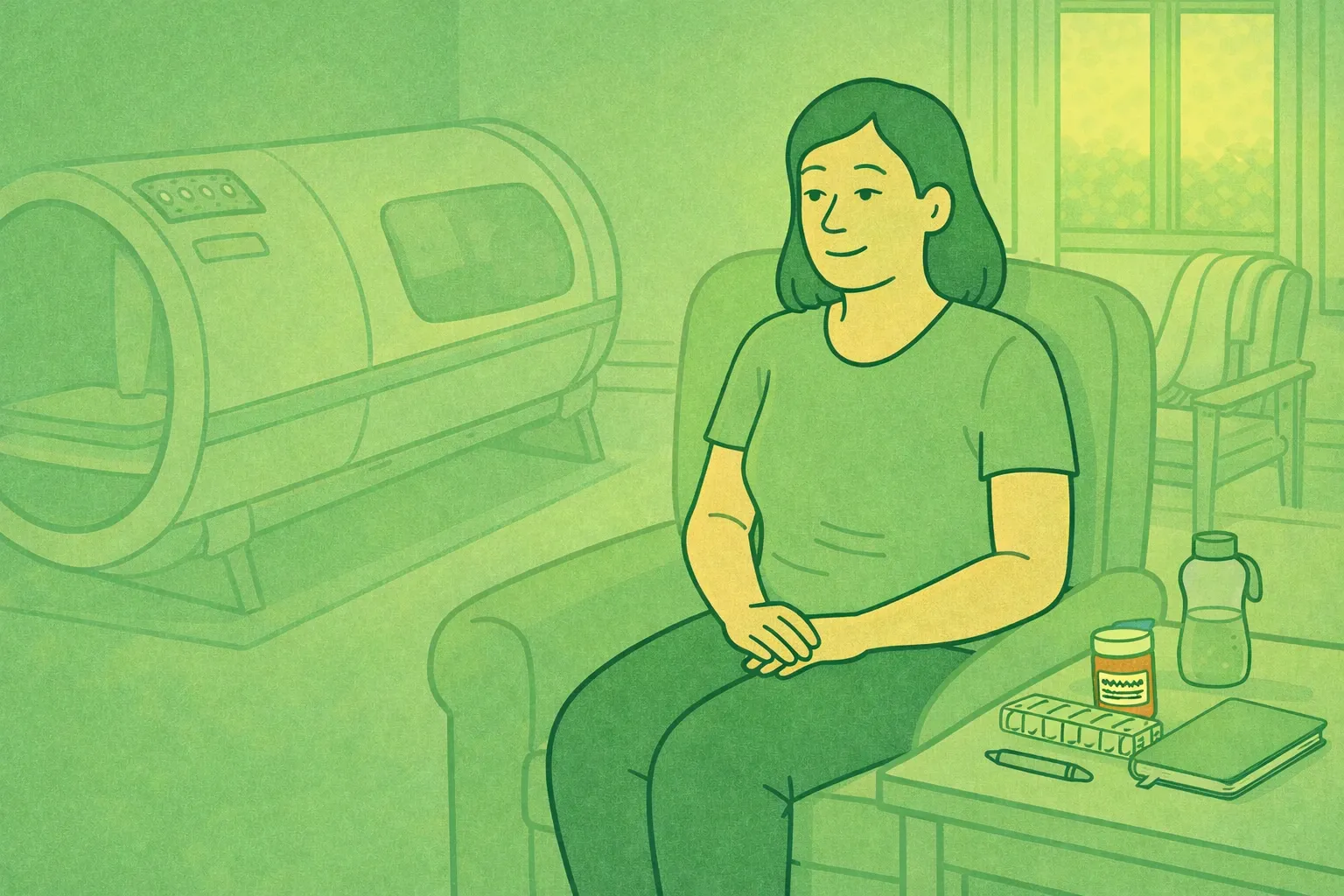
The unfortunate part is that autoimmune conditions are complicated. There is no one cause and no universal treatment. That is why many women are turning to supportive therapies like hyperbaric oxygen treatment along with their medical care. A seated hyperbaric chamber lets you breathe oxygen in a comfortable upright position and makes it easy to work it into your everyday wellness routine.
How Does Inflammation Damage the Body?
Inflammation is a lot like a fire alarm that won’t turn off.
In normal circumstances, your body’s inflammation helps it heal from cuts and wounds and stave off infections. It is a protective response. However, when the immune system remains in attack mode all the time… it starts damaging healthy cells and tissues.
Inflammation can impact:
- Joints and muscles
- The digestive system
- Skin and connective tissues
- The nervous system
All this inflammation triggers pain, fatigue, brain fog, and organ dysfunction. It will greatly reduce your quality of life over time.
The key to managing an autoimmune condition is to bring that inflammation under control. Supportive therapies are where we come in.
Supportive Therapies that are Worth Exploring
To manage symptoms for autoimmune patients it usually takes a multi-pronged approach. You can take medications such as immunosuppressants that help but can also come with side effects.
That is why many healthcare practitioners are recommending these types of complementary therapies to go with conventional treatment. Medication costs can add up for women managing autoimmune conditions—especially if clotting risks (e.g., lupus-related antiphospholipid antibodies or atrial fibrillation) lead to an Eliquis prescription. To reduce out-of-pocket expenses, patients can save money by ordering Eliquis from Canada and should coordinate with their doctor for safe, timely refills.
Hyperbaric Oxygen Therapy
Hyperbaric oxygen therapy (HBOT) is one therapy that is gaining more attention. It involves breathing pure oxygen in a pressurized environment. This means that more oxygen is able to enter the bloodstream, reducing inflammation and supporting tissue healing.
Research has shown that HBOT has anti-inflammatory effects that are believed to be beneficial to autoimmune patients. It helps to reduce the amount of pro-inflammatory molecules while also upregulating anti-inflammatory ones in the body.
Seated chamber units are becoming more popular for this treatment option. The compact design allows users to read, work or relax during treatment. It also negates some of the confining feeling that people experience when using the older style recumbent chambers.
HBOT for autoimmune conditions can help with:
- Reduced inflammation and pain
- Improved oxygenation in tissues
- Improved immune regulation
- Support for tissue repair
Research has shown promising results for autoimmune conditions such as rheumatoid arthritis, Crohn’s disease and multiple sclerosis. While HBOT is not a cure it can be an effective tool for symptom management.
Anti-Inflammatory Nutrition
Nutrition plays a massive role in the management of inflammation.
Eating foods that are high in omega-3 fatty acids, antioxidants and fibre will help to calm the immune response in the body. On the other hand, processed foods, added sugars and inflammatory oils may contribute to inflammation in the body.
Focus on things such as:
- Leafy greens and vegetables
- Fatty fish like salmon and mackerel
- Nuts and seeds
- Berries and other colourful fruits
Work with a nutritionist or healthcare practitioner who understands autoimmune conditions and can help you craft a personalized eating plan.
Stress Management
Chronic stress is kind of like pouring petrol on an inflammatory bonfire.
When the body is stressed it produces hormones such as cortisol that can create an imbalance in immune function. Stress management is not just for mental health. It can directly affect your physical health.
Techniques for stress management include meditation, gentle exercise, getting enough sleep, and setting healthy boundaries. These practices also help to calm the nervous system which has a direct impact on inflammation triggers in the body.
What to Look For When Investigating Oxygen-Based Treatments
Not all hyperbaric chambers are created equally. When you start looking into HBOT options there are several things you need to consider.
Pressure Levels – The pressure matters. The higher the pressure the more oxygen can dissolve into the bloodstream. Medical-grade chambers are designed to operate at higher pressures than home unit options.
Comfort – Sessions in a hyperbaric chamber usually last between 60-90 minutes. A seated chamber design lets users read, work or relax during treatment and doesn’t make them feel as constricted as other options.
Consistency – Like most types of therapy, HBOT works best when done regularly over a period of time. Having easy access to a unit at home makes it much easier to stick to a consistent schedule.
Safety Certifications – Always make sure you are looking at units that meet the appropriate safety standards and come from a reputable manufacturer.
The Importance of Professional Guidance
Professional medical advice should always come first when you start looking into supportive therapies.
Autoimmune conditions are complex and require proper management. It is important to have a qualified healthcare team that can help you determine which complementary therapies may work best for your specific needs.
Oxygen-based treatments like HBOT are no exception. While it is a safe therapy for most, certain medical conditions may mean it isn’t recommended for you.
Conclusion
Autoimmune diseases are a growing challenge for women’s health. With the immune system working against the body instead of with it, reducing inflammation is key.
Supportive therapies like hyperbaric oxygen treatment, anti-inflammatory nutrition and stress management can all play a role in helping to manage these conditions along with traditional medical care. They offer additional tools and resources for finding symptom relief and overall wellbeing.
Autoimmune conditions are not a straight road to recovery for anyone. However, by exploring evidence-based supportive therapies there is hope and more options available to those searching for answers.
Remember…
Managing autoimmune symptoms is a marathon, not a sprint. It takes time and patience to find the right combination of treatments that work for your body. Working with healthcare practitioners and exploring different complementary therapies provides the best route forward.
If you are a woman dealing with autoimmune conditions, use your knowledge and power to take an active role in your health and find solutions that work for you.