Understanding Hormonal Changes and Their Impact on Women’s Wellbeing
Conversations about libido often focus on quick answers, but women’s wellness is rarely that simple. Desire, energy, mood, stress, sleep, and overall well-being are deeply connected, which is why…
- Published
- Written by
- Women In Balance Team
- Reading time
- 4 minutes
Conversations about libido often focus on quick answers, but women’s wellness is rarely that simple. Desire, energy, mood, stress, sleep, and overall well-being are deeply connected, which is why women’s hormone health deserves a thoughtful and balanced discussion.
Rather than reducing libido to one issue or one solution, it is more helpful to look at the wider picture of how hormones can influence daily life and how women can support their health in informed, practical ways.
One reason this topic matters is that many women experience changes they cannot easily explain. They may feel less interested in intimacy, more fatigued than usual, mentally scattered, or generally out of sync with themselves.
These experiences are often described online as hormone imbalance symptoms, though that phrase can mean many different things depending on the person and context. What matters most is not attaching a label too quickly, but recognizing when changes feel persistent enough to deserve attention.
The relationship between hormones and libido is especially personal. Low libido in women can be shaped by a wide range of factors, including stress, sleep quality, relationship dynamics, life stage, self-image, emotional well-being, and hormonal shifts.
Because the topic is multifaceted, the most helpful educational content avoids oversimplifying it. Women do not need more one-size-fits-all advice. They need language and resources that acknowledge complexity without becoming overly clinical.
This is where a broader view of sexual health for women becomes important. Sexual wellness is not just about desire in isolation. It can also reflect comfort, confidence, emotional connection, mental energy, and physical well-being.
When women’s health is discussed through this fuller lens, the conversation becomes more supportive and more realistic.
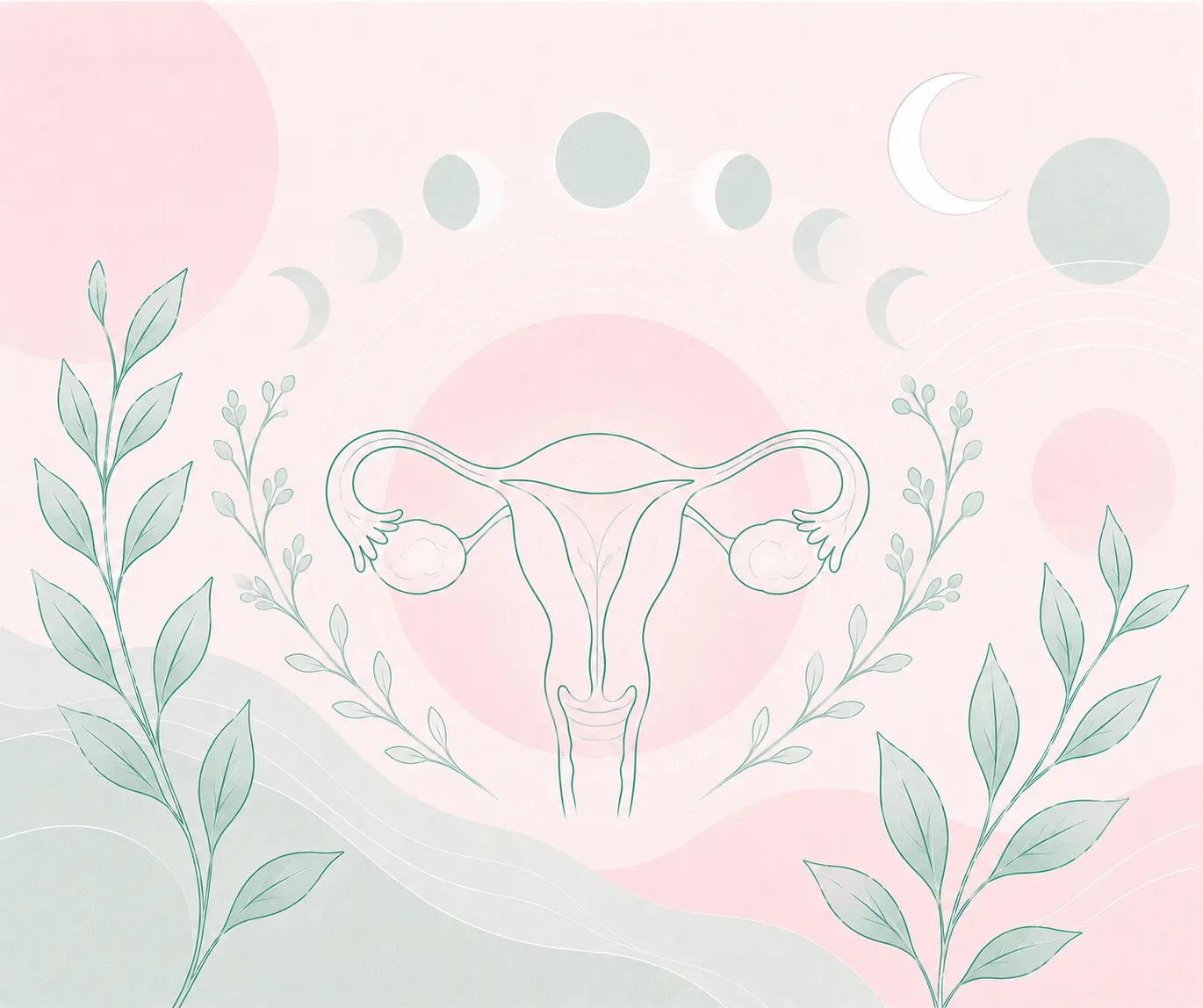
Hormones are often part of that picture. Estrogen, progesterone, testosterone, and other signaling systems may all be discussed in the broader context of women’s wellness. But education should stay careful and grounded.
No article should suggest that every shift in mood, focus, or libido points to hormones as the cause. Instead, good wellness writing helps women understand that hormones can be one part of a larger picture worth exploring with the right guidance.
Many women today are also interested in how hormone health connects with brain function, focus, and cognitive clarity. That is one reason resources about women’s sexual health support often resonate with readers looking for a more complete conversation around wellness, confidence, and everyday function.
A practical discussion of estrogen balance should also avoid extremes. Hormones are not something most people can feel or understand with perfect precision from day to day, and wellness content should not encourage fear-based self-monitoring.
Instead, the goal is to give women a framework for noticing patterns. Are certain changes new? Are they consistent? Are they affecting quality of life, relationships, or mental clarity? Those are often more helpful questions than trying to force a conclusion too soon.
One reason women’s hormone topics need a softer tone is that so many readers arrive feeling uncertain. They are not always looking for a diagnosis. Often, they simply want validation that their experiences matter and that it is reasonable to ask questions.
A strong article on women’s hormone health should create that sense of permission. It should tell readers that they do not need to have everything figured out before seeking better information.
Lifestyle also plays a major role in this conversation. Stress management, movement, sleep, nourishment, and emotional support all influence how women feel in their bodies.
That does not make hormones irrelevant. It simply reminds us that wellness rarely operates in one channel alone. A woman experiencing shifts in energy or libido may benefit from looking at both internal and external influences rather than assuming a single explanation.
For many readers, education around low libido in women becomes more useful when paired with a broader understanding of emotional and cognitive wellness.
Libido does not exist apart from the mind. Mental fatigue, chronic stress, distraction, and emotional overload can all affect sexual interest and connection. This is why some women also explore educational content around hormone impact on brain function as part of a more complete wellness picture.
Another useful shift is moving away from the idea that women must tolerate feeling “off” as a normal part of life. While occasional fluctuations are part of being human, sustained changes in libido, energy, mood, or focus are worth noticing.
Paying attention does not mean overreacting. It means respecting the signals your body and mind may be sending.
In SEO-driven content, terms like hormone imbalance symptoms and sexual health for women can attract readers searching for answers. But the article that keeps those readers engaged is the one that offers calm, credible guidance.
That means clear language, practical framing, and no exaggerated claims. Women are more likely to trust content that informs them rather than pushes them.
Ultimately, a better conversation about women’s hormone health is one that respects nuance. It recognizes that libido is influenced by many factors, that hormonal shifts may be part of the story, and that women deserve supportive, understandable information.
Rather than focusing on quick fixes, the goal should be helping readers notice patterns, ask thoughtful questions, and explore wellness resources that align with their needs.
When women have access to balanced, respectful education, they are better equipped to make sense of changes in how they feel. That is what this topic deserves: not hype, not fear, but clarity. And in a space where so many women have felt overlooked or rushed, that kind of clarity can be powerful.