The Hidden World of Reproduction: What Single-Cell Science Means for Women’s Health
Reproduction is often spoken of as a miracle, and for good reason. The journey from a single cell to a new human life is one of nature’s most complex and intricate processes. For decades, scientists…
- Published
- Written by
- Women In Balance Team
- Reading time
- 4 minutes
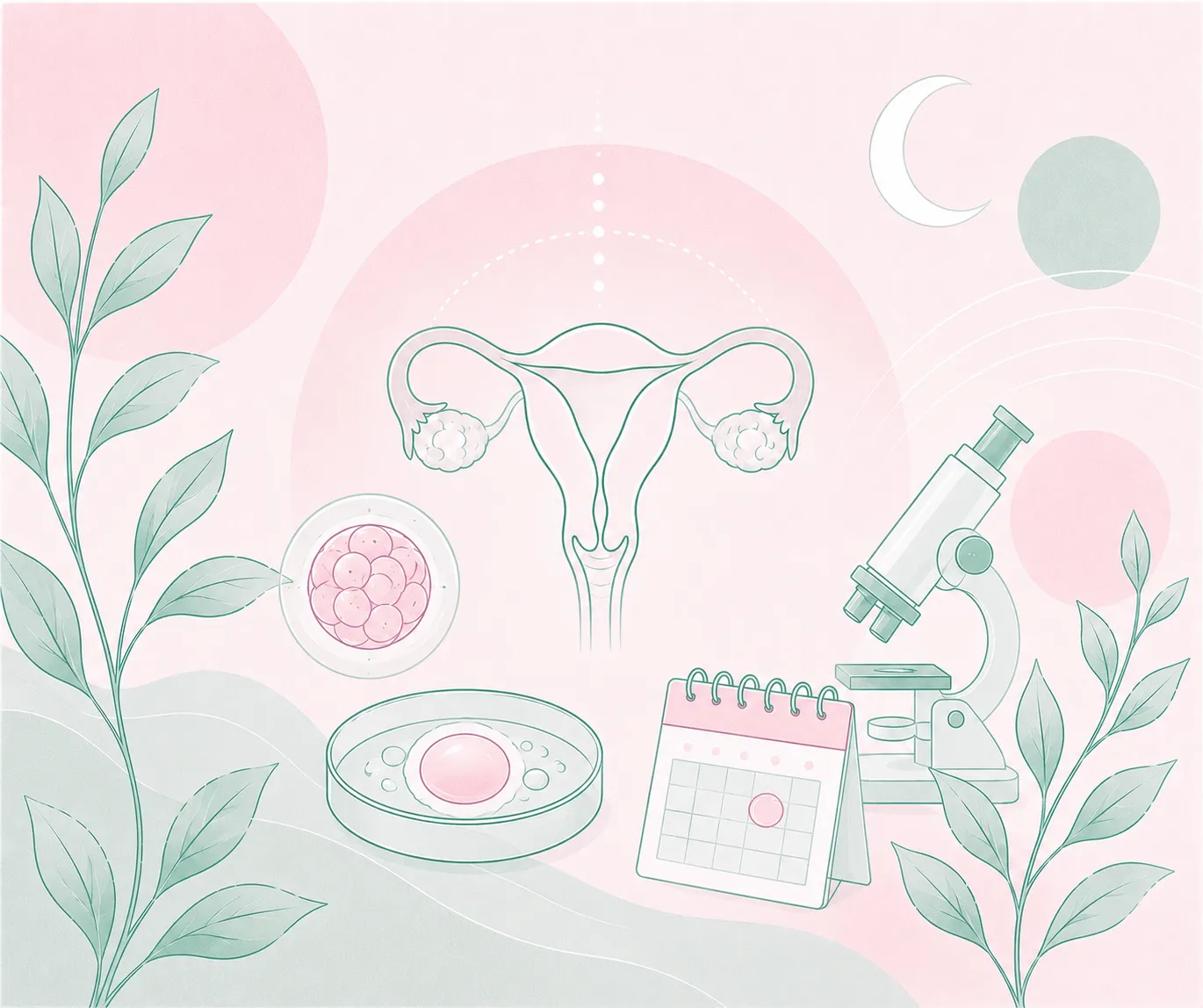
Reproduction is often spoken of as a miracle, and for good reason. The journey from a single cell to a new human life is one of nature’s most complex and intricate processes. For decades, scientists could only observe this process from the outside, tracking hormones or examining tissues under a microscope. The fundamental conversations between cells—the very instructions that guide development—remained a mystery.
Today, that is changing. A powerful set of technologies, often referred to as single-cell model solutions, is providing an unprecedented close-up view. By allowing us to analyze biology one cell at a time, these tools are revolutionizing our understanding of women’s health, from fertility and pregnancy to developmental disorders and healthy aging.
Seeing the Full Picture, One Cell at a Time
To understand why this matters, imagine trying to understand a complex orchestra by only listening to the overall volume of the music. You would miss the individual contributions of every instrument—the melody of the violin, the rhythm of the cello, the punctuation of the flute
Traditional research methods were a bit like that. They would analyze a tissue sample, like a piece of ovarian tissue, by grinding it up and averaging the signals from all its cells. This destroyed the precious sample and, more importantly, obscured the unique role of each cell type. The quiet but crucial signals from a rare stem cell would be drowned out by the “louder” signals from more common cells.
Single-cell analysis solves this problem. It allows scientists to take that same tiny piece of tissue and read the molecular “sheet music” of every single cell within it. This reveals, for the first time, the full complexity of organs like the ovaries and the delicate dance of early development.
Decoding the Ovary’s Hidden Ecosystem
The ovary is far more than just a container for eggs. It’s a dynamic and ever-changing environment, home to a diverse community of cells, all working in harmony. Follicle cells nurture the developing egg. Stromal cells provide the structural support. Immune cells patrol for problems.
Single-cell technologies are now creating a detailed map of this hidden ecosystem. Researchers can see exactly which genes are active in each of these cell types and how their communication changes throughout the menstrual cycle or with age.
This is like finally having a detailed blueprint of a complex machine. It allows us to understand what happens when the machine works perfectly—and what goes wrong when it doesn’t. This foundational knowledge is key to unraveling the root causes of conditions like polycystic ovary syndrome (PCOS), primary ovarian insufficiency, and infertility.
Charting the Earliest Moments of Life
The very first days and weeks after conception are the most critical. A fertilized egg must divide, implant in the uterus, and begin to organize itself into a future human. This period is a black box of reproductive medicine, as it’s nearly impossible to study directly.
Single-cell analysis is pulling back the curtain. By applying these techniques to rare and precious biological samples, scientists can now create a molecular “roadmap” of human development. They can watch, in unprecedented detail, as cells make the pivotal decisions that determine their fate: some becoming the placenta, others the embryo itself.
Understanding these critical decision points helps us understand why pregnancies sometimes fail and what might be done to support a healthy start.
A New Era for Fertility and Fertility Preservation
For the millions of people navigating infertility, the process can be filled with frustrating unknowns. Single-cell science is bringing new clarity. By providing a deeper understanding of what constitutes a healthy egg or a supportive uterine environment, these tools are paving the way for more precise and personalized fertility care.
Perhaps nowhere is the promise more profound than in fertility preservation. Young women facing medical treatments, like chemotherapy, that could harm their ovaries are often presented with a difficult choice. For prepubertal girls, even those options are limited.
By mapping out exactly how the ovary develops and how eggs mature, single-cell research is laying the groundwork for future breakthroughs. The hope is that one day, this knowledge will allow doctors to mature eggs in the lab from a small piece of frozen ovarian tissue, restoring fertility to cancer survivors.
Understanding Conditions That Start Before Birth
Some health challenges begin long before a person is born. For girls with certain genetic conditions, like Turner syndrome (where one of the X chromosomes is missing or altered), ovarian insufficiency is a common and life-altering outcome.
Single-cell analysis has provided a powerful new lens through which to view these conditions. By examining how ovarian cells develop in these cases, scientists can now see the cellular root of the problem. They can observe how the critical support cells fail to function correctly, leading to the loss of egg cells before birth. This cellular-level understanding is a vital first step toward developing interventions that could one day protect and preserve fertility.
The Final Takeaway
The era of guesswork in reproductive science is ending. We are now able to read the intricate story of life as it’s written, cell by cell.
This new perspective is not just an academic exercise; it is transforming our approach to women’s health. It offers clearer answers, inspires new treatments, and brings renewed hope for healthier reproductive journeys at every stage of life.