What Is Perimenopause? Signs, Symptoms & Timeline
<p>Perimenopause signals a normal life transition marked by hormonal shifts and irregular menstrual cycles. It occurs before menopause when estrogen levels fluctuate and the ovaries reduce hormone…
- Published
- Written by
- Women In Balance Team
- Reading time
- 8 minutes
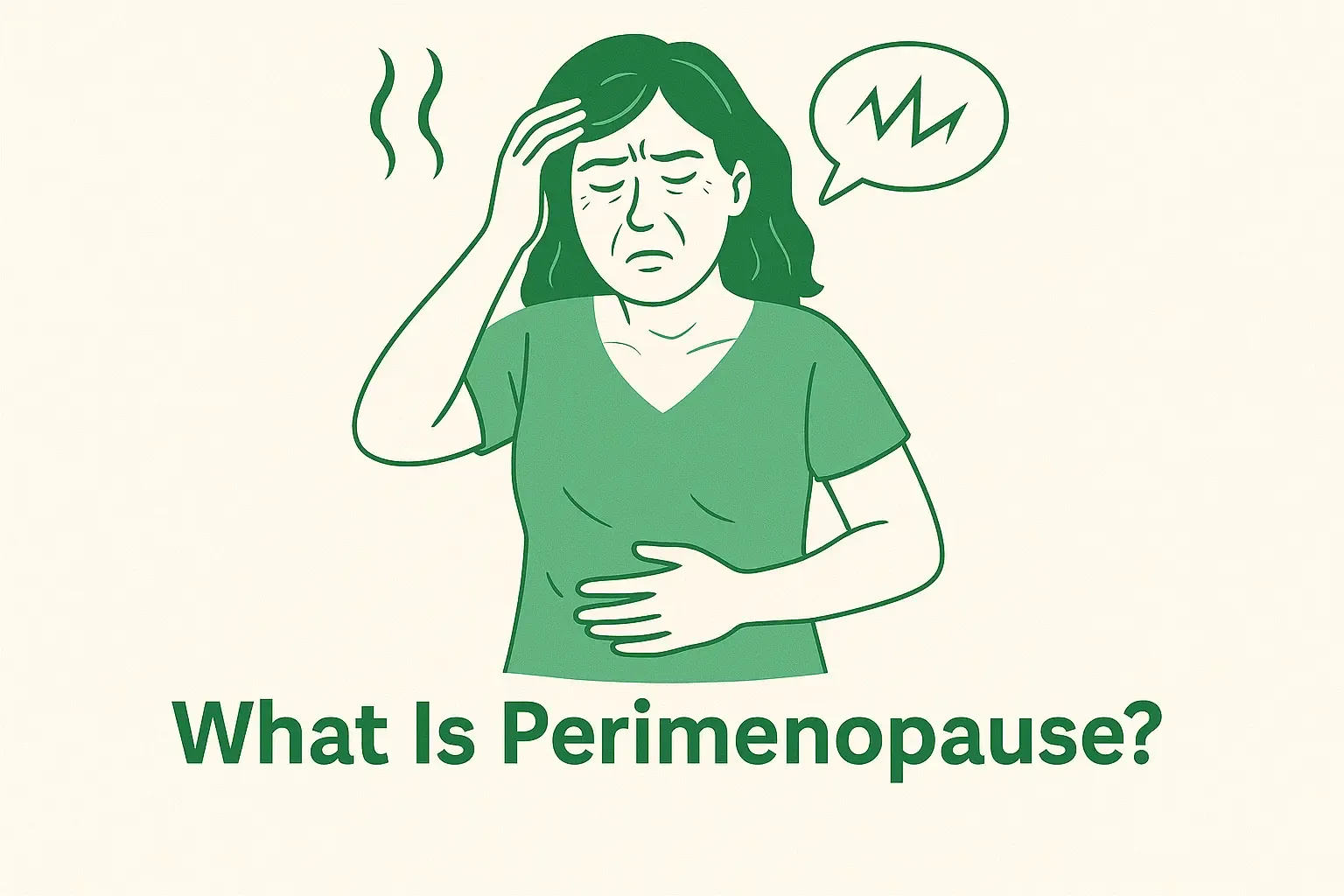
Perimenopause signals a normal life transition marked by hormonal shifts and irregular menstrual cycles. It occurs before menopause when estrogen levels fluctuate and the ovaries reduce hormone production. Most women begin perimenopause in their 40s, but symptoms may appear as early as the mid-30s.
Key Takeaways
- Perimenopause is the natural transition phase before menopause, typically beginning in a woman’s 40s but sometimes starting in the 30s
- Common symptoms include irregular periods, hot flashes, sleep disturbances, and mood changes that can vary significantly in severity from person to person
- This transition typically lasts 4-8 years but can be shorter or longer depending on individual factors and lifestyle choices
What Is Perimenopause?
Perimenopause, literally meaning “around menopause,” is the transitional period before menopause when a woman’s body gradually produces less estrogen. During this time, your ovaries begin to decrease their hormone production, leading to changes in your menstrual cycle and other bodily functions.
Most women enter perimenopause in their 40s, with the average age being around 45. However, some women may experience perimenopausal symptoms as early as their mid-30s. This biological transition is completely normal—it’s your body’s natural progression toward the end of reproductive years.
Unlike menopause, which is defined as having no menstrual period for 12 consecutive months, perimenopause is characterized by fluctuating hormone levels that can cause varying symptoms and menstrual changes over several years. Think of it as your body’s gradual adjustment period rather than an abrupt change.
Signs and Symptoms of Perimenopause
Perimenopause affects each woman differently. Some may experience multiple symptoms while others notice only subtle changes. Here are the most common signs grouped by type:
Menstrual Changes
- Irregular periods: Your cycles may become longer or shorter, and the time between periods may vary
- Changes in menstrual flow: You might experience heavier or lighter bleeding than usual
- Skipped periods: You may occasionally miss a period, then resume regular cycles
- Spotting between periods: Some women notice light bleeding between regular periods
Physical Symptoms
- Hot flashes: Sudden feelings of warmth that spread over your body, particularly in the chest, neck, and face
- Night sweats: Hot flashes that occur during sleep, often disrupting rest
- Sleep disturbances: Difficulty falling asleep or staying asleep, even when not experiencing night sweats
- Vaginal dryness: Decreased moisture and elasticity of vaginal tissues due to lower estrogen levels
- Bladder issues: Increased urgency or frequency of urination, or increased susceptibility to urinary tract infections
Emotional and Cognitive Symptoms
- Mood fluctuations: Increased irritability, anxiety, or periods of sadness
- Memory lapses: Temporary difficulty remembering familiar words or information
- Concentration challenges: Finding it harder to focus or multitask as effectively
- Fatigue: Feeling more tired than usual despite adequate rest
The severity of these symptoms varies widely. While some women experience minimal disruption to their daily lives, others find that certain symptoms—particularly hot flashes, sleep disturbances, and mood changes—significantly impact their quality of life. For more insight into these emotional and cognitive effects, this guide to perimenopause can be a helpful resource.
If you’re losing sleep over menopause symptoms, you’re not alone. Sleep disturbances are among the most commonly reported perimenopausal complaints, with up to 40% of women reporting sleep problems during this transition.
How Long Does Perimenopause Last?
The duration of perimenopause varies considerably from woman to woman. On average, this transition lasts about 4 to 8 years, but some women may experience it for just a few months while others may have symptoms for up to 10 years.
Several factors can influence how long perimenopause lasts:
- Genetics: Your family history can impact your perimenopause experience. If your mother or sisters had a longer perimenopause, you might too
- Lifestyle: Factors such as smoking, excessive alcohol consumption, and high stress levels may affect hormone balance and potentially extend perimenopause
- Body weight: Very low body weight or significant weight fluctuations can influence hormone production and potentially affect the duration
- Medical history: Previous surgeries or medical conditions affecting the reproductive system can impact timing and experience
Perimenopause ends when you enter menopause—defined as having no menstrual period for 12 consecutive months. The average age for reaching menopause is 51, though it can occur normally anywhere between ages 45 and 55.
Interestingly, perimenopause experiences can vary across cultures and regions. Research on menopause around the world shows that factors like diet, lifestyle, and cultural attitudes toward aging can influence how women experience this transition.
Difference Between Perimenopause and Menopause
Many people confuse perimenopause with menopause, but they are distinct phases with important differences:
| Perimenopause | Menopause |
|---|---|
| Transitional phase leading to menopause | A specific point in time (12 months after the final period) |
| Can last several years | Marks the beginning of post-menopausal life |
| Fluctuating hormone levels | Consistently low hormone levels |
| Irregular periods that may be heavier or lighter | Complete cessation of menstruation |
| Fertility declining but pregnancy still possible | End of reproductive capability |
| Symptoms that may come and go | Symptoms that may continue but often stabilize |
After you’ve gone 12 consecutive months without a period, you’ve officially reached menopause and have entered the post-menopausal stage of life. While some symptoms like hot flashes may continue into the post-menopausal years, many women report that symptoms become less intense and more manageable after passing this milestone.
When to See a Doctor
While perimenopause is a natural process, certain symptoms warrant medical attention. Consider consulting a healthcare provider if you experience:
- Periods that are much heavier than normal or that include clots larger than a quarter
- Spotting after intercourse or between periods
- Periods that occur less than 21 days apart
- Severe mood changes that interfere with daily functioning or relationships
- Hot flashes that severely disrupt sleep or daily activities
- Any new symptoms that concern you
A variety of healthcare professionals can provide support during perimenopause:
- Gynecologists specialize in women’s reproductive health
- Primary care physicians can address general health concerns and provide referrals
- Endocrinologists focus on hormonal issues
- Mental health professionals can help with mood changes or anxiety
- Integrative medicine practitioners may offer complementary approaches to symptom management
Don’t hesitate to seek a second opinion if you feel your concerns aren’t being adequately addressed. Every woman’s experience is unique, and finding the right healthcare partner is important for navigating this transition comfortably.
Tips for Managing Symptoms
While you can’t prevent perimenopause, you can take steps to manage symptoms and support your overall health during this transition:
Lifestyle Adjustments
- Regular exercise: Aim for at least 30 minutes of moderate activity most days to help regulate hormones, manage weight, and improve mood
- Balanced nutrition: Focus on whole foods, including plenty of fruits, vegetables, whole grains, and lean proteins
- Adequate calcium and vitamin D: These nutrients become especially important for bone health as estrogen levels decline
- Stress management: Practices like yoga, meditation, or deep breathing can help manage stress and may reduce hot flashes
- Sleep hygiene: Establish a regular sleep schedule and create a cool, comfortable sleeping environment
Dietary Considerations
- Limit trigger foods: Spicy foods, caffeine, and alcohol can trigger hot flashes in some women
- Stay hydrated: Drink plenty of water throughout the day
- Consider plant estrogens: Foods containing phytoestrogens, such as soy products, flaxseeds, and lentils, may help balance hormones naturally in some women
- Reduce processed foods and added sugars: These can contribute to inflammation and mood swings
Natural Remedies
Some women find relief from perimenopausal symptoms with natural remedies:
- Black cohosh: May help reduce hot flashes (consult with your healthcare provider before use)
- Saw palmetto: Sometimes recommended for hormone balance
- Maca root: May help with hormonal balance and energy levels
- Evening primrose oil: Some women report relief from breast tenderness
Habits to Avoid
- Cigarettes: Smoking can disrupt hormone balance and may trigger earlier perimenopause and more severe symptoms
- Excessive alcohol: Can worsen hot flashes and disrupt sleep
- Erratic sleep schedules: Inconsistent sleep patterns can exacerbate fatigue and mood changes
- Ignoring symptoms: Dismissing significant changes may delay helpful interventions
Remember that managing perimenopause is not one-size-fits-all. What works for one woman may not work for another, so be patient as you discover the strategies that work best for your body.
Conclusion
Perimenopause is a natural transition that every woman experiences differently. Understanding what’s happening in your body can help demystify the process and make the journey more manageable. Remember that this phase is temporary—even though it may last several years—and many women report feeling a renewed sense of wellbeing and freedom once they reach post-menopause.
The key to navigating perimenopause successfully is staying informed, listening to your body, and being proactive about your health. Don’t hesitate to discuss your symptoms with healthcare providers and experiment with lifestyle adjustments that may provide relief.
If you’re experiencing puzzling symptoms or significant discomfort, tracking your symptoms and cycle can provide valuable information to share with your healthcare provider. This information can help identify patterns and guide appropriate support strategies, whether that includes lifestyle modifications, supplements, or medical interventions.
Remember that while perimenopause may bring challenges, it can also be an opportunity to prioritize self-care and health in ways that will benefit you for years to come.
Frequently Asked Questions
Can perimenopause cause weight gain?
Yes, hormonal changes during perimenopause can contribute to weight gain, particularly around the abdomen. Decreasing estrogen levels can affect how your body stores fat and may slow your metabolism. Additionally, perimenopausal symptoms like fatigue and mood changes can make it harder to maintain regular exercise and healthy eating habits. Combating this tendency requires increased attention to nutrition, regular physical activity, and stress management.
Are there tests to confirm perimenopause?
There’s no single definitive test for perimenopause. Diagnosis is typically based on age, symptoms, and menstrual history. Hormone tests have limited usefulness because hormone levels fluctuate significantly during perimenopause. However, your doctor may recommend certain tests to rule out other conditions that could cause similar symptoms, such as thyroid disorders or hormone imbalances. If you’re experiencing perimenopausal symptoms, keeping a symptom and menstrual cycle diary can be helpful when discussing your experiences with healthcare providers.
What are the 7 stages of perimenopause?
Rather than discrete stages, perimenopause is better understood as a continuum with gradually increasing symptoms as estrogen levels become more erratic and eventually decline. However, some practitioners describe phases including early transition (when cycles begin to change), peak transition (when symptoms may be most intense), and late transition (the year before menopause). Every woman’s journey through these phases is unique, with different symptoms appearing and resolving at different times. The focus should be on managing your specific symptoms rather than identifying a particular stage.
Can I still get pregnant during perimenopause?
Yes, pregnancy is still possible during perimenopause as long as you’re still having periods, even irregular ones. While fertility does decline during this time, you may still release eggs and could conceive. If you wish to avoid pregnancy, continue using contraception until you’ve gone a full year without a period (confirming menopause). Women in perimenopause who wish to become pregnant may benefit from consulting with a fertility specialist, as conception can be more challenging but is certainly not impossible during this transitional time.