7 Ways New Moms Protect Foot Health
<p>The whirlwind of new motherhood is real: round-the-clock feeds, constant baby carrying, and a body still adjusting to postpartum changes. It’s easy to forget your feet in such an emotionally…
- Published
- Written by
- Women In Balance Team
- Reading time
- 4 minutes
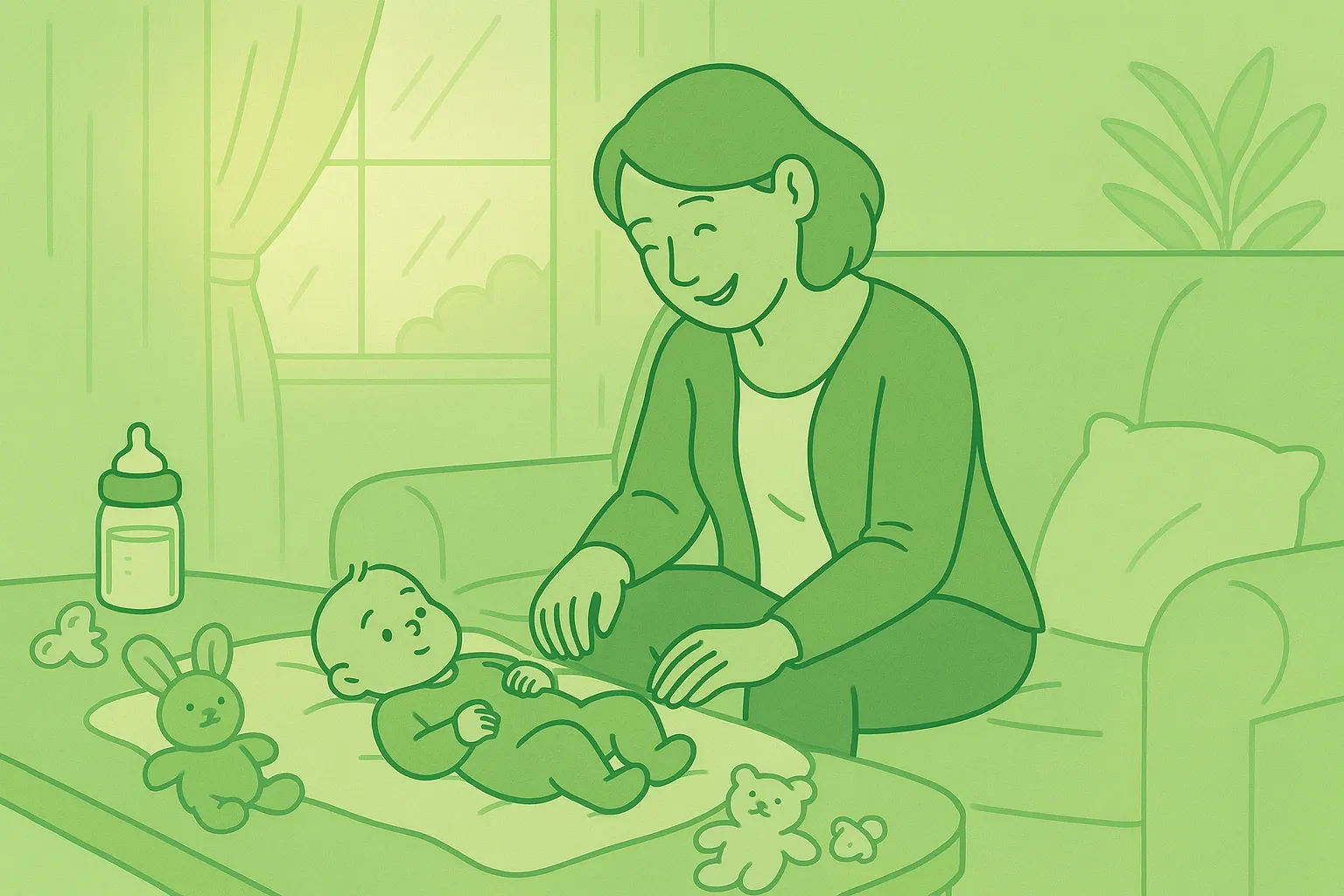
The whirlwind of new motherhood is real: round-the-clock feeds, constant baby carrying, and a body still adjusting to postpartum changes. It’s easy to forget your feet in such an emotionally overwhelming moment of your life. However, pregnancy and postpartum can take a toll on your foot health, and it is essential not to overlook symptoms such as aches, swelling, or painful arches.
You may not have so much time for foot massages and pampering every day. So, here are seven practical ways to protect your foot health, keep moving, and minimize aches!
Babywearing With Better Posture
Babywearing has its perks—it keeps your hands free and baby snug, but it also shifts your center of gravity. Over time, these small posture changes can put pressure on your heels and arches.
However, fortunately, there are ways to improve your posture when carrying your baby. Become more mindful of your posture and stand tall with shoulders rolled back, core engaged, and feet hip-width apart. Changing up which hip or side you carry your baby on can help too. These little posture resets, especially when you’re moving with a soft carrier or sling, go a long way toward reducing foot strain.
Level Up Your In-Shoe Support
After delivery, some women find their feet have changed size or shape, and flat arches can bring on a whole new set of aches. Upgrading your everyday shoe support makes a world of difference, especially if you’re on your feet for hours at home.
You may want to consider insoles or custom orthotics designed for postpartum support. Specialized providers allow you to better understand your options from the comfort of your home and get a specialized evaluation before buying.
Five-Minute Stretch Circuits
Stretching takes less time than reheating your coffee! You just need to set aside five minutes—morning or night—for a quick stretch routine. This won’t take too much time out of your buddy day but can offer real results.
To ease your foot pain, you may try standing calf stretches against the wall, gentle ankle circles, and a toe flex and point sequence. These moves keep blood flowing, reduce swelling, and wake up muscles that get stiff after long nursing or rocking sessions.
Supportive (and Safe) House Shoes
Kitchen floors, hardwood, and tile are rough on your feet, ultimately affecting your foot health. Here, slippers might seem like a cozy solution, but for long days indoors, supportive house shoes are key. Look for ones with a cushioned footbed, arch support, and a secure fit (closed back, if possible, to prevent tripping). Racing from nursery to laundry and back, you deserve support that’s as comfy as your best running shoe!
Stroller Walks—Find a Pace that Feels Good
Getting outside can boost your mood and stretch your legs, but aggressive power walking isn’t usually what postpartum feet need early on. To get more active, find activities that you truly enjoy and choose a pace that works for you.
For instance, you may aim for short walks with your stroller, focusing on good walking form rather than speed. Roll through your step from heel to toe and listen to what your body is telling you. Swapping out old sneakers for a fresh pair can help here too!
Swelling Management: Keep it Simple
Hormones and fluid shifts can lead to swollen feet and ankles, especially in the first weeks postpartum. You can manage this symptom by elevating your feet when you can (for instance, you can stack pillows during nursing or nap time), and wiggle your toes to keep circulation going. If swelling isn’t easing down, you may also try compression socks that offer a gentle squeeze without cutting off movement.
Of course, don’t forget to drink plenty of water, and keep an eye on both feet—sudden or severe swelling, especially if one leg is bigger or painful, warrants a quick call to your provider.
Bonus: Know the Warning Signs
It can be tempting to push through discomfort, but don’t ignore foot pain that sticks around or worsens. Watch for signs like sharp, stabbing heel pain (especially in the morning), redness, or persistent swelling. These are signs that your feet require a proper evaluation from a specialist.
Also, keep in mind that pregnancy may lead to long-lasting changes in foot structures. Because of this, you may consider seeing a specialist to understand how to best address your foot pain and health. Understanding what the issue is and treating it early makes it easier to resolve issues and regain your foot health!
Real Strategies for Real Life
Motherhood leaves little time for pampering. But protecting your foot health with these simple habits will help you stay comfortable and mobile. However, don’t forget that prgenancy and postpartum can impact your body in many different ways. If you notice foot discomfort that isn’t going away or you are struggling to get back to your daily activities, be sure to consult a professional to better understand how to regain your health.