What Does a Medical Office Assistant Do in Maternity Care
<p>Maternity care is that exceptional health care that goes beyond physical care; it involves emotional care and logistical concerns for the expectant mother and family. The real motor behind the…
- Published
- Written by
- Women In Balance Team
- Reading time
- 5 minutes

Maternity care is that exceptional health care that goes beyond physical care; it involves emotional care and logistical concerns for the expectant mother and family. The real motor behind the scenes is the medical office assistant, whose importance cannot be understated in the day-to-day functioning of these clinics, hospitals, and maternity units. Their duties go from simply answering phones and filing charts to very often being the first point of contact that guides the patient through an emotionally charged journey while supporting providers with administrative precision. Here is a guide on what medical office assistants usually do, if you are thinking about getting into this kind of career, and a glimpse into the education side.
Education and Career Pathways
Most MOAs go through a postsecondary certificate or diploma program, which typically lasts between 9 and 12 months. The topics included are those pertaining to medical terminology, billing and coding, patient communication, and EHR systems. Some colleges also feature associate degree options, which take around two years.
For many people, training as a medical office assistant is actually the first stepping stone to a larger career in healthcare administration. This experience would allow an MOA to look for positions as a clinic manager, a patient coordinator, or a health information specialist. Skills learned in these settings are mostly transferable to other healthcare settings due to the very nature of the qualities learned while providing care to maternity patients, including exceptional organization, patience, and multitasking capabilities.
Key Responsibilities
- Verifying Insurance Benefits and Patient Eligibility
One of the first tasks that a medical office assistant would achieve is verifying whether insurance covers the pre-visit appointments, ultrasounds, lab test visits, and delivery. Maternity care generally covers a series of visits spaced over months, so there are entries in the coverage systems for copayment, deductible, or pre-auth for particular services.
This step is critical because inaccurate information about the insurance jeopardizes the family while going through a life-transforming experience. With early confirmation of eligibility and an explanation of what will be covered, the MOA would be able to save surprises along the way, further enabling patients to set their financial road ahead for the pregnancy journey. This diligence goes unnoticed primarily by patients but directly improves their trust and satisfaction.
- Scheduling Scans and Appointments
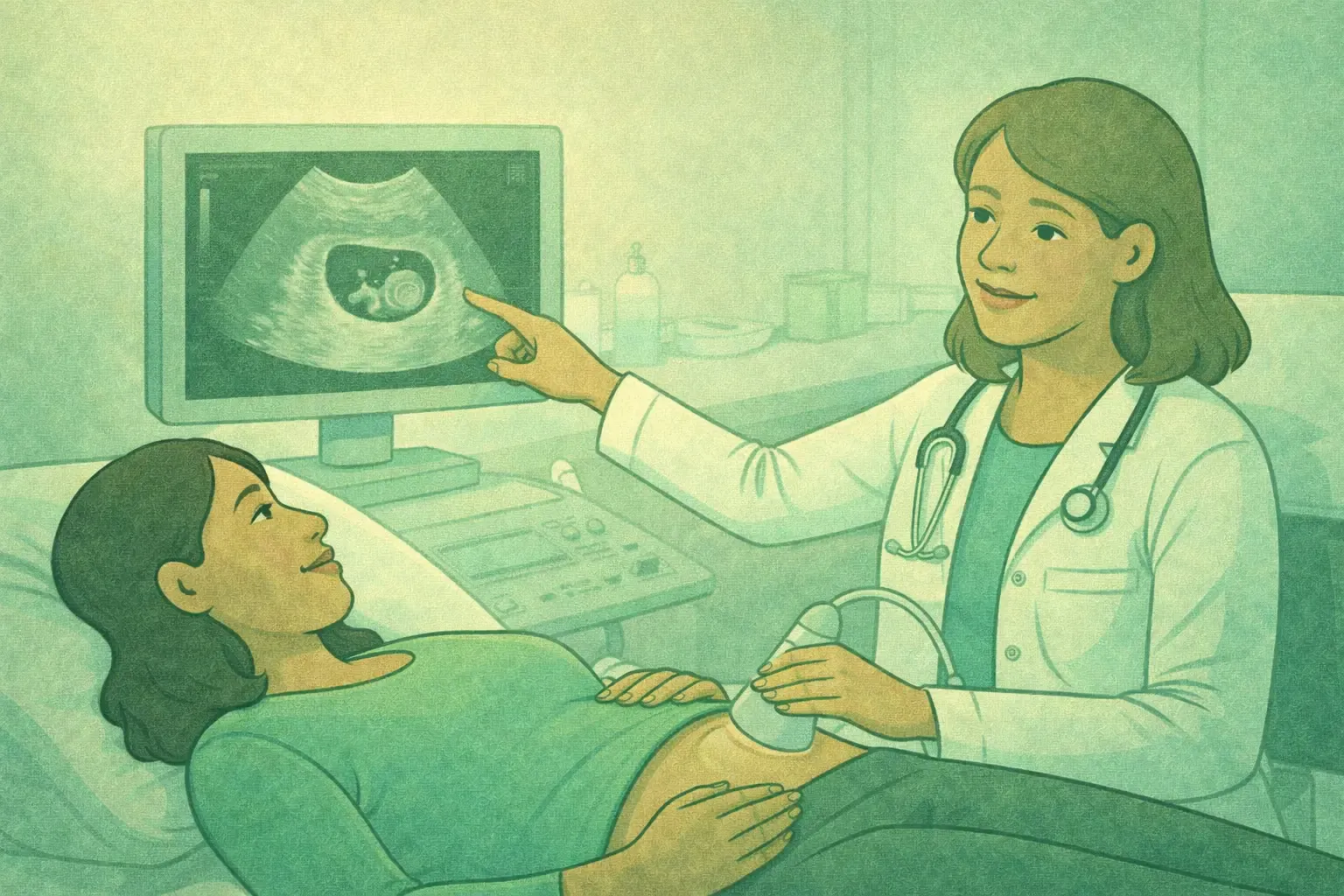
Every patient should be linked with their obstetricians, midwives, sonographers, and other specialists who are scheduled for a clinic appointment. Often involving squeezing an emergency appointment into an already full schedule, scheduling is a complex procedure depending on patient needs as well as provider and clinic calendars.
Timeliness becomes important in maternity care. Late scheduling for an ultrasound or blood test could delay a critical diagnosis. MOAs ensure everything runs on schedule, sometimes even having to adjust things multiple times when unexpected changes occur. That reassures families that everything is in place in keeping with the developmental milestones for their babies.
- Coordinating Laboratory Work
Medical office assistants handle the ins and outs of lab orders, ensuring that patients know where to go and how results will be communicated. They may also find missing lab reports or relay information to the care team.
Maternity care involves having a series of serial tests, like glucose screenings, antibody checks, and genetic screenings; therefore, most of the time, MOAs will clear confusion from the very start and ensure that everything is filed accordingly and labs are submitted accurately. For this reason, providers may make crucial decisions without delay to the very last extent.
- Managing Referrals to Specialists
Not every single pregnancy goes on a straightforward course. Should problems arise, the MA coordinates referrals to the maternal-fetal medicine specialists or genetic counselors, along with other providers, confirming appointment times and ensuring the records are sent ahead, and then perhaps following up to make sure patients keep those appointments.
In many cases, it is the MOAs who walk with the patients while assuring them about the referral process. They make expectant mothers feel that they are supported during possibly stressful shifts in care. The continuity and safety of patients largely rest on this administrative bridge.
- Assembling Patient Education Packets
Medical office assistants often prepare and distribute education packets that contain resources about prenatal vitamins, safe exercises, birthing classes, and postpartum care. Some MOAs also update digital portals with the latest materials for families who prefer online access.
All this may seem simple, but what happens is empowering the patient to make informed choices, reducing the burden on the provider, as they can then focus on the clinical issues. In this way, it empowers patients to make informed decisions rather than surrender themselves to some provider.
This is while taking the pressure off the providers to enable them to focus on clinical issues. MOAs become educators in their own right by curating reliable, accessible information tailored to the stage of pregnancy a patient is experiencing.
- Support For Telehealth Visits
Since the pandemic, telehealth visits have become one of the central pillars of maternity care, for routine check-ups and for education sessions. Medical office assistants often do the work of setting up telehealth visits on the technical and administrative fronts, namely sending out login instructions, troubleshooting any connection issues, and making sure digital consent forms are forwarded for completion.
Through MOAs, care can be extended to patients in rural areas or those having mobility constraints by assuring a good online connection between patients and service providers. This competency is increasingly cherished, if not regarded as equally relevant, in 2025 when a mixed method of healthcare delivery becomes the norm.
- Electronic Health Records (EHR) Documentation
The electronic health record system should show an accurate account of every test, appointment, and referral made. They usually assist with the updating of demographic details, logging the visit notes by the providers, and coding the routine procedures. It is imperative in maternity healthcare since several health professionals may have to deal with just one patient; thus, information will flow seamlessly, and every individual can make safe decisions.
Because EHRs [Electronic Health Records] are used for insurance claims and compliance audits, MOAs should always focus on achieving the best balance between high efficiency and high accuracy. Their invisible work undergirds the visible work of coordinated, transparent maternity care.
Endnote
This is what interfacing medical care and emotional support with careful coordination is all about. Medical office assistants are present to define and provide that sorely needed guidance in the midst of schedules for scans, and appointment tracking throughout their pregnancy journey. Medical office assistants’ unseen behind-the-scenes efforts could transform an otherwise perplexing and overwhelming event into one that feels relatively manageable and supported.