Are Telehealth Visits Private and HIPAA Safe?
<p>Telehealth makes healthcare convenient, but is it secure? This article explores how HIPAA compliance, encryption, and provider practices protect your privacy, so you can confidently use virtual…
- Published
- Written by
- Women In Balance Team
- Reading time
- 2 minutes
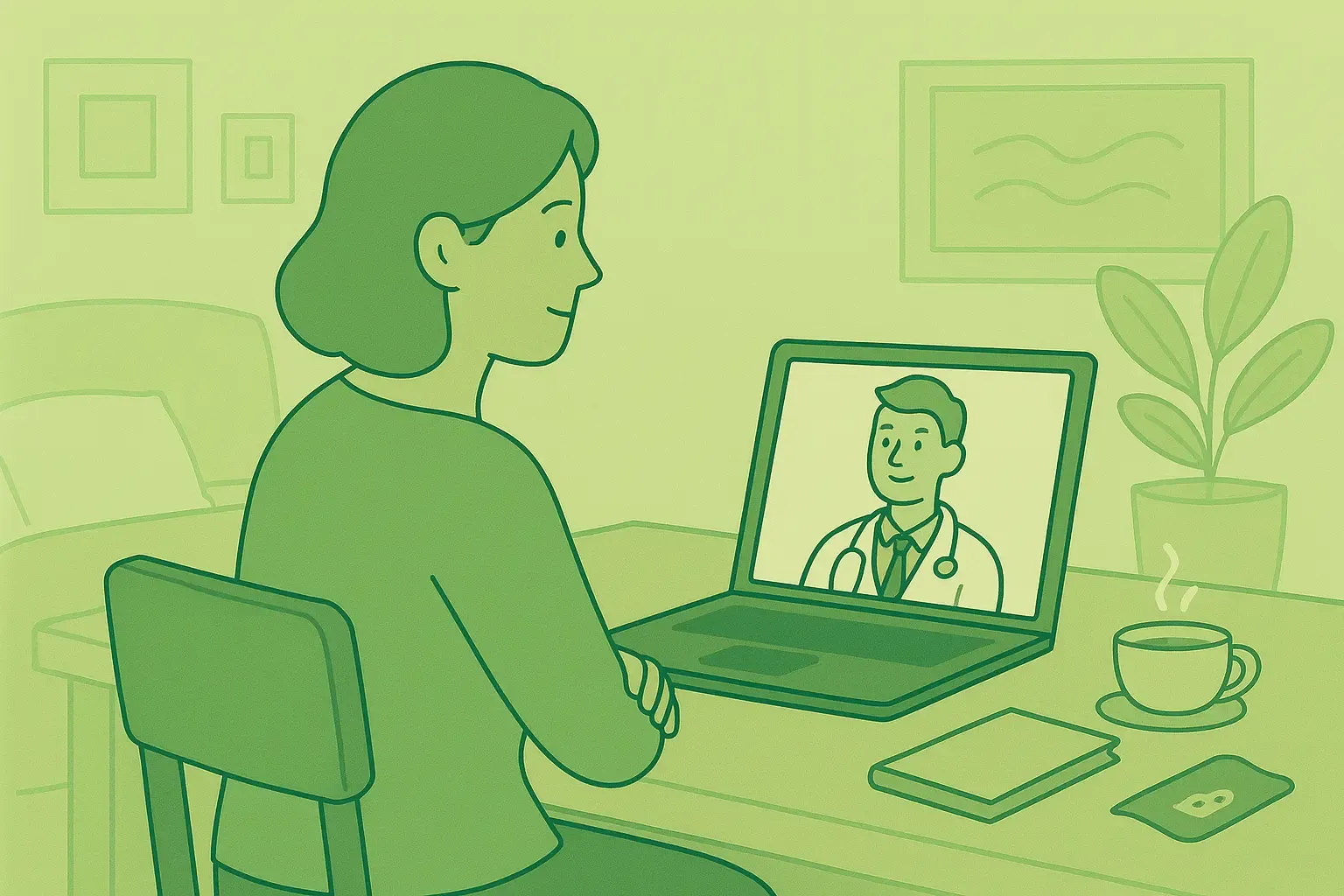
Telehealth makes healthcare convenient, but is it secure?
This article explores how HIPAA compliance, encryption, and provider practices protect your privacy, so you can confidently use virtual care without worry.
What HIPAA Compliance Means for Telehealth Providers
HIPAA, the Health Insurance Portability and Accountability Act, establishes strict rules to protect your personal health information.
For telehealth providers, compliance includes encrypting data, securing sessions, limiting access to sensitive information, and maintaining thorough audit logs. It ensures patients’ medical records and conversations stay private, no matter where or how care is delivered.
Compliance also extends to following federal guidelines for data sharing and breach notifications.
Providers must use secure platforms designed to prevent unauthorized access. This protects patients while building trust in virtual care systems.
To meet these standards, telehealth providers often rely on healthcare IT support services and cybersecurity experts. These outsourced services ensure HIPAA compliance while offering round-the-clock data security and support.
The Role of End-to-End Encryption in Privacy
End-to-end encryption is a cornerstone of telehealth privacy.
When applied, it ensures that data shared during virtual visits—whether patient notes, medical histories, or video calls—remains inaccessible to anyone but the intended parties.
Even the platform hosting the session can’t read the encrypted data.
Encrypted communications work by converting the information shared between patients and providers into complex codes. Only the sender and receiver have the unique keys to decode the information.
This makes it highly unlikely for hackers or unauthorized third parties to intercept messages or access sensitive medical conversations.
Telehealth providers using E2EE platforms comply with HIPAA regulations by safeguarding protected health information at every stage of communication, guaranteeing privacy and trust.
How Telehealth Providers Train Staff to Prevent Privacy Breaches
Even the most secure technology isn’t enough without properly trained staff. Telehealth providers focus on educating their teams about privacy standards, HIPAA regulations, and proper handling of protected health information.
Staff members learn to avoid errors like sharing data with unauthorized individuals or falling for phishing attempts.
Training programs often emphasize secure communication practices, managing access controls, and recognizing security risks.
Providers also conduct regular audits to ensure compliance with protocols.
By equipping employees with the knowledge and skills to protect sensitive data, telehealth organizations minimize human error.
This approach builds confidence for patients, knowing that their information is handled responsibly by informed and vigilant professionals.
Choosing a Secure Telehealth Service: What to Look For
As a patient, selecting a telehealth service should go beyond convenience. Privacy and security should rank high on your list.
Look for platforms that use end-to-end encryption to protect virtual sessions and data stored in the system.
Providers should also disclose their compliance with HIPAA, ensuring they follow industry standards for safeguarding your health information.
Pay attention to how the service verifies user identities. (Two-factor authentication or other identity checks offer additional layers of protection.)
Additionally, the platform’s privacy policy should be clear, explaining how your data is used, stored, and shared.
So, Are Telehealth Visits Private and HIPAA Safe?
Yes, when using secure platforms, telehealth visits are both private and HIPAA-compliant.
Encryption, staff training, and adherence to strict regulations ensure your information stays confidential.
By choosing reputable telehealth providers who meet these standards, patients can trust that their virtual healthcare experience is as secure as an in-person visit.