Balancing Beauty and Hair Health: Tips for Using Extensions Safely
<p>Long, thick, and voluminous hair is a beauty goal for many, and hair extensions have become a popular way to achieve that glamorous look. However, while extensions can instantly transform your…
- Published
- Written by
- Women In Balance Team
- Reading time
- 5 minutes
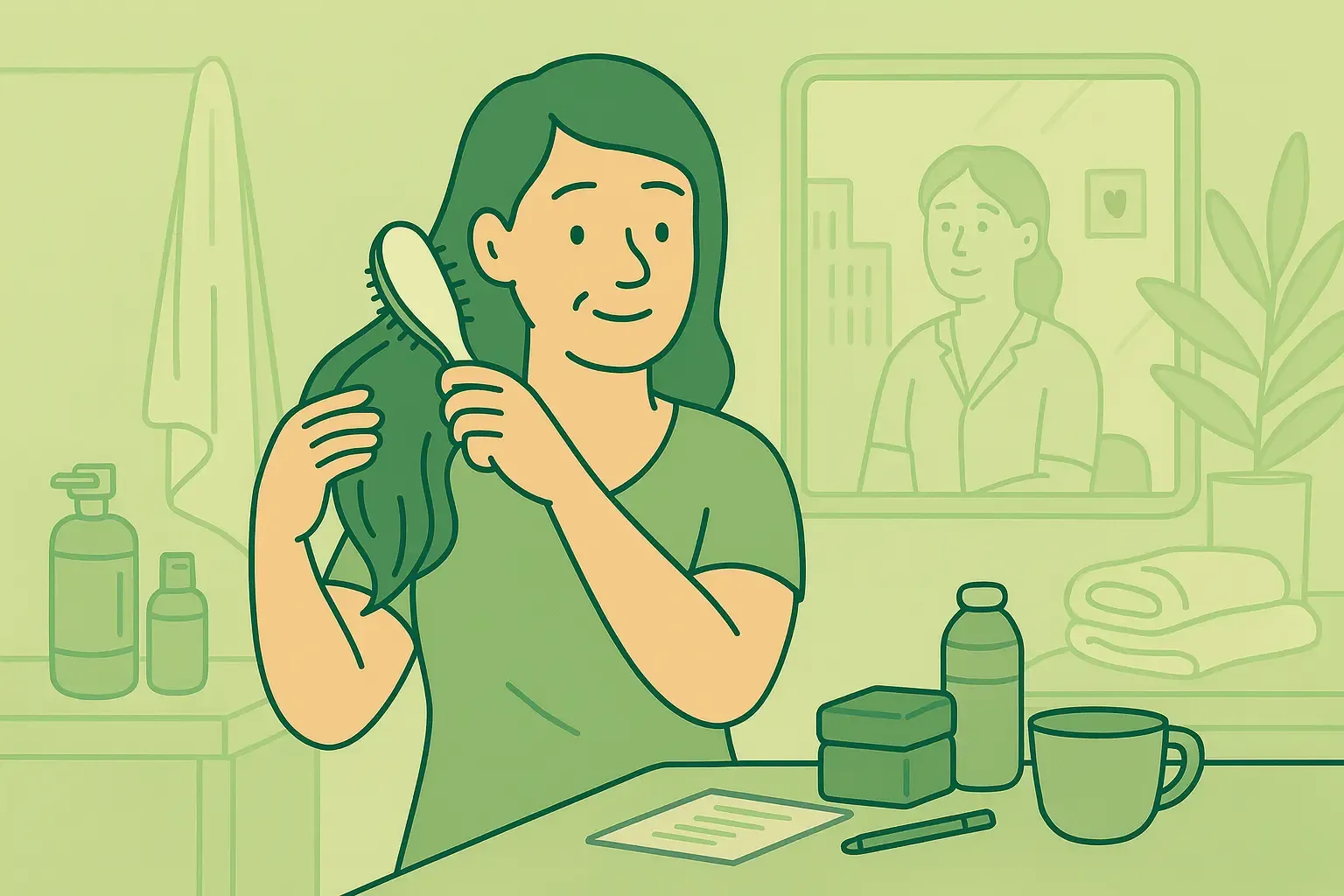
Long, thick, and voluminous hair is a beauty goal for many, and hair extensions have become a popular way to achieve that glamorous look. However, while extensions can instantly transform your style, using them without proper care can lead to breakage, thinning, and scalp stress. The key to maintaining healthy hair while enjoying the benefits of extensions is learning how to use and care for them correctly. In this article, we’ll share expert tips for using hair extensions safely, preventing damage, and keeping your natural hair strong, shiny, and beautiful for the long term.
Nurturing Your Natural Hair: Building a Healthy Care Routine with Extensions
A crucial part of protecting your natural hair while wearing extensions is establishing a healthy hair care routine. This includes keeping your scalp clean and hydrated, gently detangling to avoid unnecessary pulling, and giving your hair regular breaks from tension. Over time, constant stress from extensions can weaken the hair shaft and strain the roots, so alternating between styles or going extension-free for short periods allows your hair to recover. Additionally, nourishing treatments—such as deep conditioning masks, lightweight oils, and scalp massages—can strengthen your strands and improve circulation, promoting healthier growth. When paired with proper installation and removal techniques, these habits help maintain the integrity of your natural hair while allowing you to enjoy the beauty and versatility of extensions.
Choose extensions 4-6 inches longer than your natural hair for seamless blending
A simple way to achieve a balanced look is to select halo extensions about 4-6 inches longer than the natural hair. This length difference creates enough contrast to add length while still blending smoothly. Hair that is too short or too long compared to the natural length can appear uneven.
For example, someone with shoulder-length hair may see the best results with extensions that fall just below the chest. This range helps the natural hair mix into the halo without a sharp break between the two. The goal is to create a gradual flow from the roots to the ends.
Texture also plays a part in how the length blends. Curly or wavy hair often looks shorter than it measures, so slightly longer extensions may be needed. Straight hair usually requires less adjustment since the strands fall evenly.
By keeping the length within this 4-6 inch range, the extensions look more natural and require less styling effort to achieve a smooth finish.
Match the extension color to your hair under natural light to guarantee accuracy
Natural light gives the most accurate view of hair color. Indoor bulbs often cast yellow or cool tones that can distort how shades appear. By stepping outside, a person can see the true undertones of their hair and compare them directly to the extensions.
It helps to focus on the mid-lengths and ends of the hair rather than the roots. Roots may be darker or show new growth, but extensions should blend with the visible lengths that frame the face. This method creates a smoother transition between natural hair and the added pieces.
Different times of day can also slightly change how colors appear. Morning light may look softer, while midday light shows the truest shade. Checking in natural daylight at more than one time can prevent a mismatch.
If the shade falls between two colors, choosing the slightly lighter option often looks more natural. Hair tends to reflect light, so a close but lighter match blends better than a darker one.
Fine, Medium, or Thick Halo Bands Based on Hair Volume and Desired Look
Halo bands come in different thickness levels so they can match a wide range of hair types. Fine bands work best for people with thinning hair or short hair because they blend more easily without looking bulky. This choice adds fullness without creating a heavy appearance.
Medium bands suit those with average hair density. They provide a balanced look that adds both length and volume without overwhelming natural strands. This option works well for everyday wear and offers flexibility for different styles.
Thick bands are designed for people with dense or long hair who want a fuller result. They create a stronger impact and help the extensions blend with naturally thick strands. However, they may feel heavier, so comfort should also guide the decision.
By matching the band thickness to natural hair volume, the extensions look more seamless. This approach helps achieve a natural finish while maintaining a comfortable and easy-to-maintain style.
This approach helps achieve a natural finish while keeping the style comfortable and easy to maintain. People with delicate roots may also consider how texture plays a role, since wavy hair extensions for sensitive scalps can sometimes sit more softly than straight ones. Waves can disguise lines where the band meets natural hair, while straight styles may show the edge more clearly if the match isn’t exact. Thinking about both thickness and texture together makes it easier to find a balance between comfort and appearance.
Prioritize lightweight, clip-free halos to protect sensitive or fragile scalps
Lightweight, clip-free halo extensions place less strain on the scalp compared to traditional methods. They rest on a thin, adjustable wire rather than clips or glue, which helps reduce tension on delicate hair roots. This makes them a safer choice for people with fine or fragile hair.
Because the weight is distributed evenly, these halos feel more comfortable during daily wear. They also avoid pressure points that can cause irritation or breakage over time. This design keeps the natural hair healthier while still adding fullness and length.
In addition, clip-free halos are easy to put on and remove without pulling at the scalp. The simple installation process allows users to style their hair quickly without risk of damage. For those with sensitive skin or thinning hair, this option provides a gentle yet effective way to achieve a natural look.
Conclusion
Choosing the right halo hair extensions depends on color match, length, and comfort. A seamless blend happens when the extensions are close to the natural hair shade and only a few inches longer.
Proper application and styling help the extensions blend in naturally rather than appearing obvious. Small steps like adjusting placement or lightly layering the ends can make a clear difference.
With the right selection and care, halo hair extensions can add length or volume while maintaining a simple and natural style.
This guide explains the main factors that help create a natural look. From the type of hair used to the length and color match, each choice plays a role in how well the extensions blend. It also covers comfort and scalp health, so the style looks good and feels good at the same time.