Bloating During Ovulation: Causes and Relief Tips
<p>Expect bloating during ovulation due to hormonal changes that cause water retention and intestinal slowdown. Recognize this common, temporary symptom and manage it naturally with hydration, fiber…
- Published
- Written by
- Women In Balance Team
- Reading time
- 9 minutes
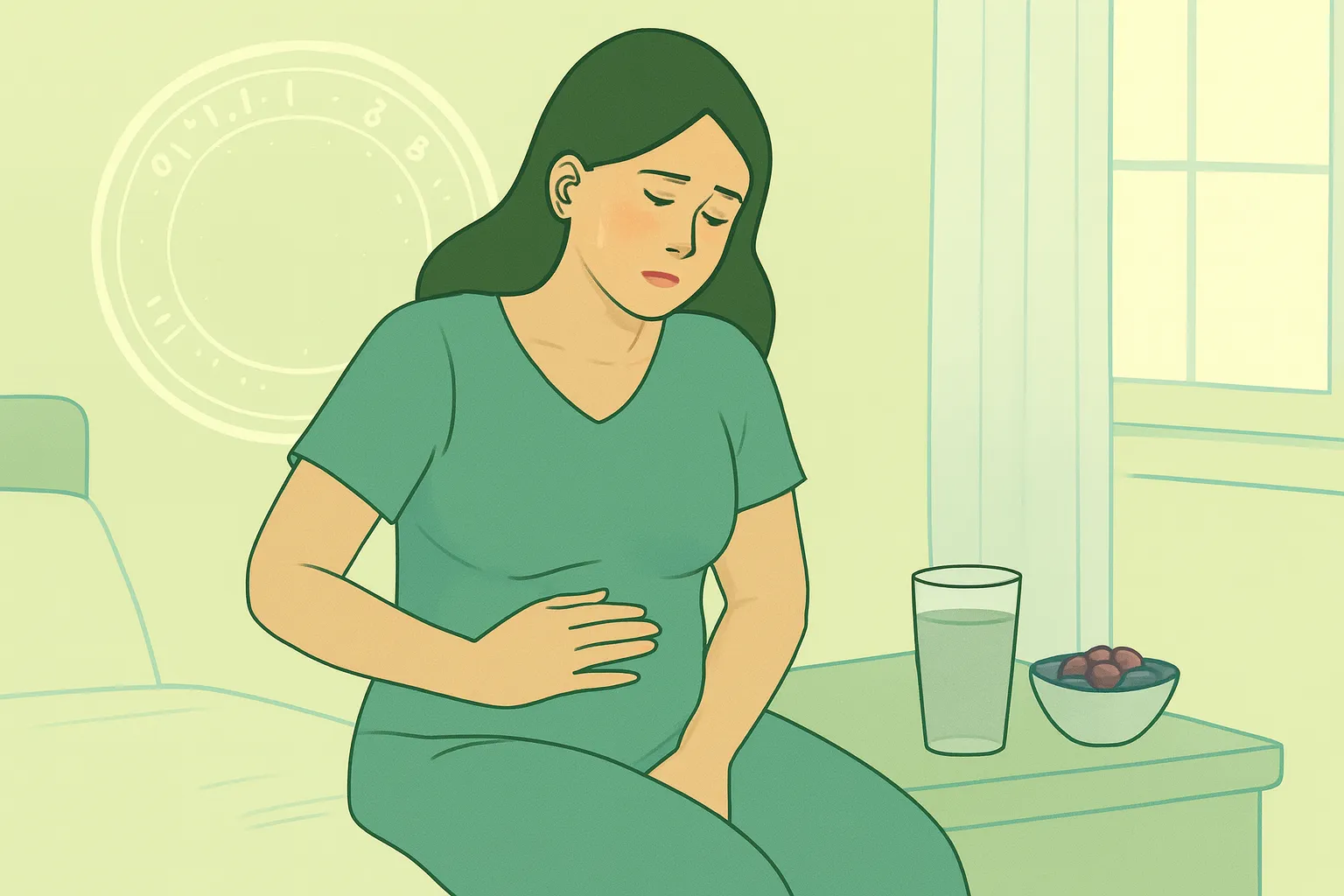
Expect bloating during ovulation due to hormonal changes that cause water retention and intestinal slowdown. Recognize this common, temporary symptom and manage it naturally with hydration, fiber, and light exercise. Understanding the pattern helps reduce anxiety and gives you control over monthly changes.
Key Takeaways
- Ovulation bloating is a common, temporary symptom caused by natural hormonal fluctuations around mid-cycle
- Hormonal changes during ovulation trigger water retention and digestive slowdown, leading to abdominal fullness and discomfort
- Simple relief strategies like staying hydrated, eating smaller meals, and gentle movement can significantly reduce bloating symptoms
If you’ve ever noticed your jeans feeling tighter around the middle of your menstrual cycle, you’re definitely not alone. Bloating during ovulation affects many women and can feel frustrating when you’re not sure why it’s happening or how long it will last.
The good news? Ovulation bloating is completely normal and temporary. Understanding why your body behaves this way during your fertile window can help you feel more in control and less anxious about these monthly changes.
This guide will walk you through everything you need to know about bloating during ovulation, from the science behind why it happens to practical strategies that can bring you real relief. You’ll learn to recognize the symptoms, understand the causes, and discover effective ways to manage the discomfort naturally.
What Is Ovulation Bloating?
Ovulation bloating refers to temporary abdominal swelling and fullness that occurs around the middle of your menstrual cycle when your ovary releases an egg. This type of bloating feels different from the digestive bloating you might experience after a large meal or the heavier bloating that often comes with your period.
The timing is key to understanding ovulation bloating. It typically occurs 12-16 days before your next period, coinciding with your body’s fertile window. For women with a standard 28-day cycle, this usually means experiencing bloating around day 14, though this can vary based on your individual cycle length.
Unlike period-related bloating, which tends to be more intense and accompanied by other premenstrual symptoms, ovulation bloating is generally milder and shorter-lived. Most women experience it for 1-3 days around their ovulation time, making it a relatively brief but noticeable part of their monthly cycle.
The sensation often feels like gentle abdominal fullness or tightness, similar to having eaten a bit too much, even when you haven’t changed your eating habits. Some women describe it as feeling “puffy” or notice their clothes fitting differently for a few days mid-cycle.
Common Symptoms of Ovulation Bloating
Recognizing ovulation bloating can help you better understand your body’s natural rhythms and distinguish it from other types of digestive discomfort. The most common symptom is a feeling of abdominal fullness or distension that seems to appear suddenly around mid-cycle, even when your eating habits haven’t changed.
Many women notice their clothes fitting more snugly around the waist and lower abdomen, particularly pants or skirts with fitted waistbands. This isn’t necessarily weight gain but rather temporary swelling and water retention that makes your midsection feel and look slightly larger.
Mild cramping or a dull ache on one side of your lower abdomen often accompanies the bloating. This is typically the side where ovulation is occurring that month, and the discomfort usually feels different from menstrual cramps – less intense but more persistent.
Increased gas and slower digestion are also common during this time. You might notice more frequent burping, feeling gassy, or that meals seem to “sit” in your stomach longer than usual. Some women experience slight nausea or loss of appetite alongside the bloated feeling.
Temporary weight fluctuations of 1-3 pounds can occur due to water retention, though this typically resolves within a few days. You might also notice breast tenderness, changes in cervical mucus, or a slight increase in body temperature – all normal signs that ovulation is occurring.
The key distinguishing factor is timing: these symptoms cluster around your fertile window and resolve relatively quickly, unlike bloating from food sensitivities or digestive issues that might persist longer or occur randomly throughout your cycle.
Why Does Bloating Happen During Ovulation?
Understanding the causes behind ovulation bloating can provide reassurance that what you’re experiencing is a normal part of your body’s reproductive cycle. Your body undergoes significant hormonal and physical changes during ovulation, and these natural processes can temporarily affect your digestive system and fluid balance.
The primary reason ovulation bloating occurs relates to the complex hormonal fluctuations that orchestrate egg release. These hormonal shifts don’t just affect your reproductive organs – they influence your entire body, including how you retain water and process food.
Hormonal Changes
Estrogen levels peak dramatically in the days leading up to ovulation, often reaching their highest point of your entire cycle. This estrogen surge causes your body to retain more water and sodium, leading to the puffy, swollen feeling characteristic of ovulation bloating. Think of it as your body holding onto extra fluid in preparation for potential pregnancy.
Simultaneously, luteinizing hormone (LH) surges to trigger egg release. This hormonal spike can slow down your digestive system, causing food to move more slowly through your intestines. When digestion slows, gas can build up more easily, contributing to that uncomfortable, bloated sensation.
Progesterone begins to rise after ovulation occurs, and this hormone also affects digestion by relaxing smooth muscle tissue throughout your body, including in your digestive tract. This relaxation can further slow gastric emptying and contribute to feelings of fullness and bloating.
Ovary Activity
The physical process of ovulation itself can contribute to bloating sensations. As your ovary prepares to release an egg, it swells slightly and the follicle containing the egg grows larger. This expansion can create a feeling of pressure or fullness in your pelvic area that some women interpret as bloating.
When the egg is actually released, it can cause minor inflammation around the ovary and in the surrounding pelvic cavity. This inflammation is completely normal but can contribute to sensations of swelling or discomfort in your lower abdomen.
The ovary that’s ovulating may feel tender or achy, and this localized discomfort can make you more aware of sensations in your abdominal area overall, potentially making bloating feel more pronounced than it actually is.
Digestive Impact
Hormonal fluctuations during ovulation directly affect your digestive system’s function. Elevated hormone levels can slow the movement of food through your stomach and intestines, a condition called delayed gastric emptying. When food moves more slowly, it has more time to ferment and produce gas, leading to increased bloating and discomfort.
Your body’s production of digestive enzymes may also fluctuate during ovulation, potentially making it harder to break down certain foods efficiently. This can result in more gas production and that characteristic feeling of food “sitting” in your stomach longer than usual.
During this time, some women find gentle digestion aids helpful. These supports are designed to assist normal digestive processes and ease temporary feelings of fullness or discomfort that can occur when digestion slows, such as digestive teas, enzyme-based supplements, or liquid digestion drops.
The good news is that these effects are temporary and completely reversible. As hormone levels stabilize after ovulation, your digestive system returns to its normal function, and the bloating naturally resolves within a few days.
How to Relieve Bloating During Ovulation
While ovulation bloating is temporary, you don’t have to simply endure the discomfort. Several natural strategies can help reduce bloating and make you feel more comfortable during your fertile window.
Staying well-hydrated is crucial for managing ovulation bloating, even though it might seem counterintuitive when you’re already feeling puffy. Drinking plenty of water helps your kidneys flush out excess sodium and reduces the water retention that contributes to bloating. Aim for at least 8-10 glasses of water throughout the day, and consider adding lemon or cucumber for natural flavor and additional anti-inflammatory benefits.
For an added boost, you can also include a gentle botanical- and mushroom-packed detox mix in your daily routine. These blends are formulated to support healthy bowel movements, reduce water retention, and help your body flush out toxins more efficiently—making them especially helpful during ovulation bloating.
Avoiding high-sodium and processed foods during your ovulation window can significantly reduce bloating severity. Salt causes your body to retain even more water, amplifying the natural water retention that occurs during ovulation. Focus on fresh, whole foods and read labels carefully, as many packaged foods contain hidden sodium that can worsen bloating.
Eating smaller, more frequent meals rather than three large meals can help prevent overloading your already-slowed digestive system. Choose easily digestible foods like cooked vegetables, lean proteins, and whole grains while temporarily reducing raw vegetables, beans, and cruciferous vegetables that can increase gas production.
Gentle movement and light exercise can work wonders for ovulation bloating. A 20-30 minute walk helps stimulate digestion and can reduce the feeling of fullness and stagnation. Yoga poses like child’s pose, gentle twists, and cat-cow stretches can also help massage your digestive organs and promote better circulation.
Applying gentle heat to your abdomen through a warm compress, heating pad, or warm bath can help relax your digestive muscles and reduce cramping that often accompanies bloating. The warmth improves blood flow and can provide significant comfort during peak bloating days.
Consider natural anti-inflammatory foods like ginger tea, peppermint tea, or fennel seeds, which have been traditionally used to support digestive comfort. These gentle remedies can help reduce gas and promote better digestion without any side effects.
Getting adequate sleep and managing stress are often overlooked but crucial factors. High stress levels can worsen digestive issues and make you more sensitive to physical discomfort, while proper rest helps your body regulate hormones more effectively.
When to See a Doctor
While ovulation bloating is typically harmless, certain symptoms warrant medical attention to rule out other conditions or complications.
Seek medical evaluation if your bloating is severe enough to interfere with daily activities or if the pain feels sharp, stabbing, or progressively worsens rather than remaining mild and manageable. Severe pelvic pain during ovulation could indicate conditions like ovarian cysts, endometriosis, or other reproductive health issues that require professional assessment.
Bloating that persists for more than a week or occurs at times other than your mid-cycle ovulation window may suggest digestive issues, food intolerances, or other health conditions unrelated to your menstrual cycle. If you experience nausea, vomiting, fever, or significant changes in bowel habits alongside bloating, these could indicate more serious digestive or reproductive health concerns.
Sudden, severe abdominal pain during your ovulation window, especially if accompanied by dizziness, rapid heartbeat, or shoulder pain, requires immediate medical attention as it could signal ovarian cyst rupture or other emergency conditions.
Irregular menstrual cycles, heavy bleeding, or significant changes in your cycle pattern accompanying bloating symptoms should be evaluated by a healthcare provider to rule out hormonal imbalances or reproductive health issues.
If you’re trying to conceive and have concerns about your ovulation symptoms or if bloating significantly impacts your quality of life month after month, discussing your symptoms with a gynecologist or reproductive health specialist can help identify any underlying issues and develop appropriate management strategies.
Conclusion
Bloating during ovulation is a common, temporary experience that affects many women as part of their natural reproductive cycle. Understanding that this discomfort stems from normal hormonal fluctuations can help you feel more confident about what your body is experiencing and less anxious about these monthly changes.
The key to managing ovulation bloating successfully lies in recognizing your body’s patterns and implementing gentle, natural relief strategies. Simple approaches like staying hydrated, choosing anti-inflammatory foods, engaging in light movement, and applying gentle heat can make a significant difference in your comfort level during your fertile window.
Start tracking your menstrual cycle and symptoms to better identify when ovulation bloating typically occurs for you. This awareness will help you prepare with prevention strategies and distinguish normal ovulation symptoms from signs that might require medical attention. Most importantly, remember that this discomfort is temporary – usually lasting just 1-3 days – and is a sign that your reproductive system is functioning normally.
Frequently Asked Questions
How long does ovulation bloating last?
Ovulation bloating typically lasts 1-3 days around your fertile window, usually occurring 12-16 days before your next period. The symptoms generally resolve on their own as hormone levels stabilize after ovulation.
Is bloating during ovulation a sign of fertility?
Yes, bloating during ovulation can indicate that you’re ovulating regularly, which is a positive sign of fertility. However, not all fertile women experience ovulation bloating, so its absence doesn’t necessarily indicate fertility problems.