Seed Cycling: How It Works, Benefits, and How to Start
Key Takeaways If you’ve been exploring natural approaches to hormone balance, you’ve likely come across the term “seed cycling.” This simple dietary practice has gained significant attention in…
- Published
- Written by
- Women In Balance Team
- Reading time
- 19 minutes
Key Takeaways
- Seed cycling is a natural practice that involves eating specific seeds during different phases of your menstrual cycle to potentially support hormone balance
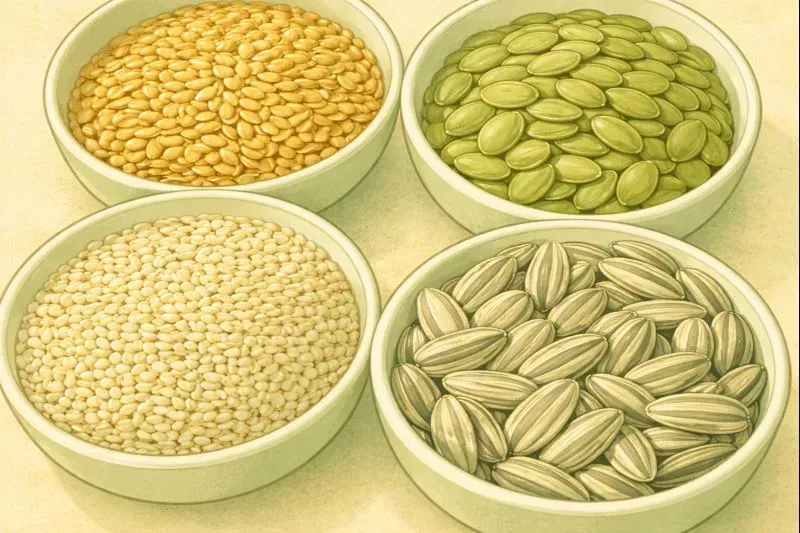
- The method alternates between consuming flax and pumpkin seeds during the follicular phase, then switching to sesame and sunflower seeds during the luteal phase
- While scientific evidence is limited, many women report improvements in menstrual regularity, PMS symptoms, and overall hormone-related wellness through consistent seed cycling
If you’ve been exploring natural approaches to hormone balance, you’ve likely come across the term “seed cycling.” This simple dietary practice has gained significant attention in wellness communities for its potential to support menstrual health and ease hormone-related symptoms naturally.
The concept behind seed cycling is straightforward yet intriguing. By rotating specific seeds throughout your menstrual cycle, proponents believe you can support your body’s natural hormone production and balance, potentially easing common issues like irregular periods, PMS, and hormonal acne.
This comprehensive guide will explain what seed cycling is, how it works, the potential benefits, and exactly how to get started. You’ll learn which seeds to eat during each phase of your cycle, what the science says about this practice, and whether seed cycling might be a helpful addition to your wellness routine.
What Is Seed Cycling?
Seed cycling is a natural nutritional approach that involves eating specific types of seeds during the two main phases of your menstrual cycle with the goal of supporting hormone balance. This practice is rooted in the belief that certain seeds contain nutrients and compounds that can help optimize estrogen and progesterone levels throughout the month.
The method divides your menstrual cycle into two distinct phases, each with its own seed combination. During the follicular phase (the first half of your cycle, from the first day of your period until ovulation), you consume flaxseeds and pumpkin seeds. During the luteal phase (the second half of your cycle, from ovulation until your next period begins), you switch to sesame seeds and sunflower seeds.
The theory behind seed cycling suggests that each seed type contains specific nutrients and plant compounds that support the hormones your body needs during that particular phase. Flaxseeds and pumpkin seeds are thought to support estrogen production and metabolism during the follicular phase, while sesame and sunflower seeds are believed to support progesterone production during the luteal phase.
Seed cycling is typically practiced by consuming one to two tablespoons of each seed daily, either ground or whole, though ground seeds are generally recommended for better nutrient absorption. The seeds can be added to smoothies, oatmeal, yogurt, salads, or simply eaten on their own.
This practice has become particularly popular among women seeking natural solutions for menstrual irregularities, PMS symptoms, PCOS, endometriosis, perimenopause symptoms, and those recovering from hormonal birth control. While seed cycling isn’t a medical treatment, many practitioners of functional medicine and holistic health recommend it as a gentle, food-based approach to supporting reproductive health.
How Seed Cycling Works
Understanding the mechanism behind seed cycling requires looking at both the nutritional composition of the seeds and the hormonal changes that occur throughout your menstrual cycle. The practice is designed to work with your body’s natural hormonal rhythm rather than against it.
During the follicular phase (days 1-14 of your cycle), your body naturally increases estrogen production to prepare for ovulation. Flaxseeds contain lignans, which are plant compounds that can help metabolize excess estrogen and support healthy estrogen levels. These lignans may help prevent estrogen dominance by binding to estrogen receptors and promoting the excretion of excess estrogen through the digestive system.
Pumpkin seeds are rich in zinc, an essential mineral that supports the production of progesterone in the second half of your cycle. They also contain omega-3 fatty acids and magnesium, both of which play important roles in hormone production and reducing inflammation. By consuming pumpkin seeds during the follicular phase, you’re essentially preparing your body with nutrients it will need for healthy ovulation and progesterone production.
During the luteal phase (days 15-28), progesterone should naturally rise to balance estrogen and prepare the uterine lining for potential pregnancy. Sesame seeds contain lignans similar to flaxseeds but in different proportions, helping to block excess estrogen while supporting progesterone. They’re also rich in zinc and selenium, minerals essential for hormone balance.
Sunflower seeds are high in vitamin E and selenium, nutrients that support progesterone production and help the corpus luteum (the structure that forms after ovulation) function optimally. The selenium in sunflower seeds also supports liver detoxification, which is crucial for processing and eliminating excess hormones.
The omega-3 and omega-6 fatty acids found in these seeds serve as building blocks for hormone production. Your body uses these essential fatty acids to create prostaglandins, hormone-like substances that regulate inflammation, blood flow, and various reproductive processes. By providing these nutrients in a cyclical pattern, seed cycling aims to support your body’s ability to produce and balance hormones naturally.
It’s important to understand that seed cycling doesn’t introduce hormones into your body. Instead, it provides nutrients that support your own hormone production and metabolism, working as a nutritional foundation for hormonal health rather than a hormone replacement or manipulation.
The Two Phases of Seed Cycling
Successfully implementing seed cycling requires understanding when to consume each type of seed based on where you are in your menstrual cycle. The practice follows the natural division of your cycle into follicular and luteal phases, each lasting approximately two weeks.
Follicular Phase: Days 1-14
The follicular phase begins on the first day of your period (day 1 of bleeding) and continues until ovulation, typically around day 14 in a 28-day cycle. During this phase, your body is focused on developing follicles in your ovaries and preparing for ovulation, with estrogen naturally rising throughout this period.
Seeds to consume: Flaxseeds and pumpkin seeds
Daily recommendation: 1 tablespoon of ground flaxseeds plus 1 tablespoon of raw pumpkin seeds (or 1 tablespoon of each if you prefer equal amounts). Ground flaxseeds are preferable to whole because their nutrients are more easily absorbed when the seeds are broken down. You can grind them fresh each day in a coffee grinder or purchase pre-ground flaxseed meal, storing it in the refrigerator to prevent the oils from going rancid.
How to incorporate them: Add ground flaxseeds and pumpkin seeds to morning smoothies, sprinkle them over oatmeal or yogurt, blend them into energy balls, mix them into salad dressings, or stir them into nut butter. Some women prefer making a “follicular phase” trail mix with pumpkin seeds and other complementary ingredients.
Luteal Phase: Days 15-28
The luteal phase starts immediately after ovulation and continues until your next period begins. This phase is characterized by rising progesterone levels, which help maintain the uterine lining and prepare your body for potential pregnancy. If pregnancy doesn’t occur, progesterone drops and your period begins, starting a new cycle.
Seeds to consume: Sesame seeds and sunflower seeds
Daily recommendation: 1 tablespoon of ground sesame seeds (or tahini) plus 1 tablespoon of raw sunflower seeds. Sesame seeds can also be consumed as tahini (sesame seed butter), which makes them easier to incorporate into various dishes. Like flaxseeds, grinding sesame seeds can improve nutrient absorption.
How to incorporate them: Blend sunflower seeds and tahini into smoothies, spread tahini on toast or crackers, add both seeds to grain bowls or salads, use tahini in salad dressings or sauces, sprinkle sunflower seeds on roasted vegetables, or create a “luteal phase” seed mix for convenient snacking.
Tracking Your Cycle
Accurate cycle tracking is essential for seed cycling success. If you have regular 28-day cycles, simply count day 1 as the first day of bleeding and switch seeds around day 14-15. For irregular cycles, use ovulation predictor kits, track basal body temperature, or monitor cervical mucus changes to identify when ovulation occurs. Switch to luteal phase seeds immediately after confirming ovulation.
For women with very irregular cycles or amenorrhea (absent periods), you can follow the moon cycle by starting the follicular phase on the new moon and switching to the luteal phase on the full moon, creating a 28-day rhythm even without menstruation.
Potential Benefits of Seed Cycling
While robust scientific studies specifically on seed cycling are limited, the practice draws support from research on individual seed nutrients and anecdotal reports from women who practice it consistently. Understanding the potential benefits helps set realistic expectations about what seed cycling may offer.
Menstrual cycle regulation is one of the most commonly reported benefits. Women with irregular periods often find that consistent seed cycling helps establish more predictable cycles over several months. The nutrients in seeds support hormone production, which may help regulate the hormonal signals that control cycle timing.
Reduced PMS symptoms represent another frequently mentioned benefit. Many women report that seed cycling helps decrease mood swings, irritability, breast tenderness, and bloating that typically occur before menstruation. The anti-inflammatory omega-3 fatty acids and minerals like magnesium in these seeds may contribute to reducing PMS-related discomfort.
Improved skin health and reduced hormonal acne often develop after several months of seed cycling. Hormonal breakouts, particularly those occurring around the jawline and chin before periods, may improve as hormone balance stabilizes. The zinc in pumpkin and sesame seeds supports skin health, while lignans help metabolize excess hormones that can trigger breakouts.
Support for fertility and ovulation is another potential benefit, particularly for women with PCOS or irregular ovulation. The nutrients in these seeds support the processes necessary for healthy egg development and release. While seed cycling alone isn’t a fertility treatment, it may support reproductive health when combined with other lifestyle factors.
Perimenopause and menopause support may also benefit from seed cycling. Women experiencing irregular cycles, hot flashes, or mood changes during perimenopause sometimes report that seed cycling helps smooth the transition by providing hormone-supporting nutrients during this time of hormonal flux.
Reduced inflammation throughout the body may occur thanks to the omega-3 fatty acids present in all four seed types. Chronic inflammation affects hormone balance, so the anti-inflammatory effects of these seeds may indirectly support better hormonal health.
Improved energy and mood are commonly reported, possibly due to the combination of hormone balance support and the rich nutrient profile of seeds. B vitamins, magnesium, and healthy fats all contribute to energy production and neurotransmitter function, which affect how you feel physically and emotionally.
It’s crucial to understand that individual results vary considerably. Some women notice improvements within a few weeks, while others need 3-6 months of consistent practice before experiencing benefits. Seed cycling works best as part of an overall healthy lifestyle rather than as an isolated intervention.
Scientific Evidence and Limitations
When evaluating seed cycling, it’s important to understand the current state of scientific research and acknowledge both what we know and what remains uncertain. The practice exists primarily in the realm of traditional and functional medicine rather than mainstream medical research.
No large-scale clinical trials have specifically studied seed cycling as a complete protocol for hormone balance. Most evidence supporting the practice comes from studies on individual seed nutrients rather than the cyclical consumption pattern itself. This doesn’t mean seed cycling doesn’t work, but rather that we lack definitive scientific proof of its effectiveness.
Research does support the beneficial properties of the individual seeds used in seed cycling. Studies on flaxseed lignans have shown they can help metabolize estrogen and may reduce menopausal symptoms and breast cancer risk. Pumpkin seed research demonstrates benefits for prostate health in men and bladder function, with zinc content supporting immune function and hormone production in both sexes.
Sesame seed studies highlight their antioxidant properties and potential cardiovascular benefits, while sunflower seed research focuses on their vitamin E content and anti-inflammatory effects. All four seeds contain nutrients scientifically proven to support various aspects of health, including hormonal health.
The mechanism behind seed cycling’s potential effectiveness is plausible from a nutritional standpoint. Hormones require specific nutrients for production and metabolism, and these seeds provide many of those nutrients. However, whether the cyclical timing specifically enhances effectiveness remains unproven scientifically.
Anecdotal evidence and practitioner experience form the primary support for seed cycling. Numerous women report positive results, and many functional medicine practitioners and naturopathic doctors recommend it based on clinical observations. While anecdotal evidence isn’t scientific proof, it shouldn’t be entirely dismissed, particularly when the practice is safe and carries minimal risk.
Limitations of the evidence include lack of controlled studies, difficulty isolating seed cycling’s effects from other lifestyle changes, individual variation in response, and the placebo effect potentially influencing perceived benefits. The time required to see results (often 3-6 months) also makes it challenging to determine whether improvements are due to seed cycling or natural hormonal changes.
The safety profile of seed cycling is excellent since it simply involves eating nutritious whole foods. This means the risk-benefit analysis favors trying it for most women, even without definitive scientific evidence. The worst-case scenario is consuming nutritious seeds that don’t specifically improve hormone balance but still provide general health benefits.
How to Start Seed Cycling
Beginning seed cycling is straightforward and requires minimal preparation, though a few practical considerations can help ensure success and consistency. Following these steps will help you establish an effective seed cycling practice.
Step 1: Track Your Cycle
Before starting seed cycling, spend at least one month tracking your menstrual cycle to understand your pattern. Mark the first day of your period as day 1, note the length of your cycle, and identify signs of ovulation if possible. Use a period tracking app, paper calendar, or journal to record this information. For irregular cycles, consider using ovulation predictor strips to more accurately identify when to switch seed phases.
Step 2: Purchase Your Seeds
Buy organic, raw seeds when possible to maximize nutrient content and minimize pesticide exposure. You’ll need flaxseeds (whole seeds to grind fresh or pre-ground flaxseed meal), raw pumpkin seeds (pepitas), raw sesame seeds or tahini, and raw sunflower seeds. Store seeds in airtight containers in a cool, dark place or refrigerator to prevent rancidity, especially for flaxseeds which oxidize quickly once ground.
Step 3: Prepare Your Seeds
Invest in a small coffee grinder dedicated to grinding seeds if you plan to grind fresh flaxseeds and sesame seeds daily. Some women prefer grinding a week’s worth at a time and storing in the refrigerator. Ground seeds are more digestible and allow better nutrient absorption than whole seeds, though pumpkin and sunflower seeds can be consumed whole.
Step 4: Start on Day 1 of Your Period
Begin your first follicular phase on the first day of menstrual bleeding. Consume 1 tablespoon each of ground flaxseeds and raw pumpkin seeds daily. Continue this combination for approximately 14 days or until you confirm ovulation has occurred.
Step 5: Switch Seeds at Ovulation
Transition to the luteal phase seeds around day 14-15 or immediately after confirming ovulation. Consume 1 tablespoon each of ground sesame seeds (or tahini) and raw sunflower seeds daily. Continue until your next period begins, then return to follicular phase seeds.
Step 6: Find Easy Incorporation Methods
Make seed cycling convenient by developing simple routines. Prepare smoothie bags with seeds pre-measured, keep a jar of seed mix on your counter with a measuring spoon, add seeds to your morning coffee or tea with a blender, create energy balls or bars with the appropriate seeds for each phase, or simply eat a spoonful of tahini or nut butter mixed with seeds.
Step 7: Be Consistent
Seed cycling requires patience and consistency. Most women need 3-6 months of regular practice before noticing significant changes. Missing occasional days won’t ruin your progress, but try to maintain the practice most days for best results.
Step 8: Monitor and Adjust
Keep notes on any changes you notice in cycle regularity, PMS symptoms, energy levels, skin condition, or mood. This documentation helps you determine whether seed cycling is beneficial for you and can provide useful information if discussing your experience with healthcare providers.
Tips for Success With Seed Cycling
Maximizing the benefits of seed cycling involves more than just consuming the right seeds at the right time. These practical strategies will help you maintain consistency and optimize results.
Make it delicious by experimenting with different preparation methods until you find approaches you genuinely enjoy. If you dislike eating seeds plain, blend them into smoothies where texture and taste are masked by other ingredients like banana, berries, nut butter, and milk. Toast seeds lightly before adding to dishes for enhanced flavor, though this may reduce some nutrient content.
Prepare in batches to reduce daily effort. Create weekly portions of ground seeds stored in small containers, make large batches of energy balls or bars featuring the appropriate seeds for each phase, or prepare jars of overnight oats with seeds already mixed in for grab-and-go breakfasts.
Set daily reminders on your phone or calendar for the first few months until seed cycling becomes automatic. Associate seed consumption with an existing habit like morning coffee or breakfast to create a routine that sticks.
Address digestive concerns if you experience bloating or discomfort when starting seed cycling. Increase water intake significantly since the fiber in seeds requires adequate hydration, start with smaller amounts and gradually increase to full tablespoon portions, ensure seeds are ground rather than whole for easier digestion, and consider taking seeds with meals rather than on an empty stomach.
Combine with other healthy practices for enhanced results. Seed cycling works best alongside adequate sleep (7-9 hours nightly), stress management through meditation, yoga, or other relaxation practices, regular physical activity that you enjoy, reduced alcohol and caffeine consumption, minimized processed foods and sugar, and adequate water intake throughout the day.
Account for travel and busy periods by preparing portable seed portions in small containers or bags, keeping single-serve nut butter packets (like tahini or sunflower seed butter) in your bag, researching restaurants that offer seeds as salad toppings or smoothie add-ins, or accepting that occasional days off won’t derail your progress.
Adjust for your taste preferences by using tahini instead of whole sesame seeds if you prefer the paste form, adding seeds to sweet or savory dishes based on your preferences, mixing seeds with complementary flavors like honey, cinnamon, or dark chocolate for follicular phase, or combining with herbs and spices like garlic and sea salt for luteal phase.
Be patient and realistic in your expectations. Hormone balance takes time to establish, and seed cycling alone won’t resolve serious hormonal conditions. Think of it as one supportive tool in your overall health approach rather than a miracle cure. Most women notice gradual improvements rather than dramatic overnight changes.
Who Should Try Seed Cycling?
Seed cycling is generally safe for most women, though certain groups may find it particularly beneficial while others should approach with caution or seek medical guidance first.
Women who may benefit most from seed cycling include those experiencing irregular menstrual cycles without diagnosed medical conditions, mild to moderate PMS symptoms affecting quality of life, hormonal acne that appears cyclically, women recovering from hormonal birth control and wanting to reestablish natural cycles, those in perimenopause experiencing cycle changes and symptoms, women with PCOS who are already working with healthcare providers and want to add nutritional support, and those simply interested in supporting reproductive health through nutrition.
Women who should consult healthcare providers before starting include those with diagnosed hormone-sensitive conditions like estrogen-receptor-positive breast cancer, individuals taking hormone medications or birth control pills that already regulate hormones, women with severe menstrual irregularities or diagnosed conditions like endometriosis that require medical management, those with seed or nut allergies, and anyone pregnant or breastfeeding.
Seed cycling is not appropriate as a sole treatment for serious reproductive health conditions. If you have diagnosed PCOS, endometriosis, fibroids, or other conditions, seed cycling should complement rather than replace medical treatment. Always maintain regular gynecological care and discuss major dietary changes with your healthcare provider.
Women in menopause without periods can still practice seed cycling by following the moon cycle (follicular seeds from new moon to full moon, luteal seeds from full moon to new moon) or simply rotating seeds every two weeks. This maintains the nutritional benefits even without menstruation.
Younger women and adolescents with irregular cycles should consult healthcare providers first to rule out underlying conditions before trying seed cycling, as menstrual irregularity is common in the first few years after menarche and may not require intervention.
Common Questions and Concerns
Many women have similar questions when considering seed cycling. Addressing these common concerns helps you feel confident about whether and how to practice seed cycling.
“What if I have irregular cycles and can’t track ovulation?” For irregular cycles, use ovulation predictor kits, basal body temperature tracking, or cervical mucus monitoring to identify ovulation. If you can’t identify ovulation, follow the moon cycle method by starting follicular phase seeds at the new moon and switching to luteal phase seeds at the full moon.
“Can I take seed cycling supplements instead of eating seeds?” While seed-based supplements exist, eating whole seeds is generally recommended because you get the complete nutritional package including fiber, and whole food forms are often better absorbed. However, if you absolutely cannot eat seeds, supplements may provide some benefits.
“Will seed cycling interfere with birth control?” Seed cycling shouldn’t interfere with hormonal birth control since the birth control is actively controlling your hormone levels. However, the benefits of seed cycling may be limited since your natural hormone production is already suppressed by contraceptives.
“How long until I see results?” Most women need 3-6 months of consistent practice before noticing significant changes. Some may experience subtle improvements sooner, while others need longer. Patience and consistency are crucial for evaluating whether seed cycling works for you.
“What if I miss days or eat the wrong seeds by accident?” Missing occasional days or accidentally eating wrong seeds won’t cause harm or significantly disrupt your progress. Simply resume the correct seeds for your current phase and continue. Perfection isn’t required for seed cycling to be beneficial.
“Can men practice seed cycling?” While seed cycling is designed around the female menstrual cycle, men can certainly benefit from consuming these nutrient-dense seeds for general health. However, the cyclical pattern isn’t relevant for men who don’t experience monthly hormonal fluctuations.
“Are there side effects?” Seed cycling is very safe, though some women initially experience digestive changes like bloating or increased bowel movements due to increased fiber intake. These typically resolve within a few weeks as your body adjusts. Increase water intake to minimize digestive discomfort.
Conclusion
Seed cycling offers a simple, natural approach to supporting hormone balance through strategic nutrition aligned with your menstrual cycle. By alternating between flaxseeds and pumpkin seeds during your follicular phase, then switching to sesame and sunflower seeds during your luteal phase, you provide your body with nutrients that support healthy hormone production and metabolism.
While scientific research specifically on seed cycling remains limited, the practice is safe, nutritious, and supported by evidence on individual seed benefits and anecdotal reports from many women who have experienced positive results. Whether you’re dealing with irregular cycles, PMS symptoms, hormonal acne, or simply want to support your reproductive health naturally, seed cycling presents a low-risk option worth considering.
Success with seed cycling requires patience, consistency, and realistic expectations. Most women need at least three months of regular practice before noticing significant improvements, and seed cycling works best as part of an overall healthy lifestyle rather than an isolated intervention.
Start by tracking your cycle, purchasing quality seeds, and developing easy incorporation methods that fit your daily routine. Remember that seed cycling isn’t a medical treatment for serious conditions but rather a supportive nutritional practice that may enhance your body’s natural hormone balance over time. If you have diagnosed hormonal conditions, consider seed cycling as a complement to, not replacement for, appropriate medical care.
Frequently Asked Questions
How much of each seed should I eat daily?
The standard recommendation is 1 tablespoon of each seed type daily during each phase. For example, during the follicular phase, consume 1 tablespoon of ground flaxseeds and 1 tablespoon of pumpkin seeds daily.
Can I do seed cycling while on birth control?
Yes, though seed cycling may have limited benefits while on hormonal birth control since your natural hormone production is suppressed. However, the seeds still provide valuable nutrients for overall health.
What if I’m allergic to one of the seeds?
If you have allergies to specific seeds, you can either skip that seed and continue with the others, or consult a nutritionist about appropriate substitutions that provide similar nutrients.
Does seed cycling work for PCOS?
Many women with PCOS report that seed cycling helps support hormone balance alongside other treatments, though it should not replace medical care. The nutrients in seeds may support insulin sensitivity and hormone metabolism, which are important in PCOS management.