Car Accident During Pregnancy? How to Care for Yourself and Your Baby
<p>When you’re pregnant, everything around you can seem like a threat to the safety of your baby’s health and comfort. But a car accident? That will definitely send you flying into panic mode, even…
- Published
- Written by
- Women In Balance Team
- Reading time
- 4 minutes
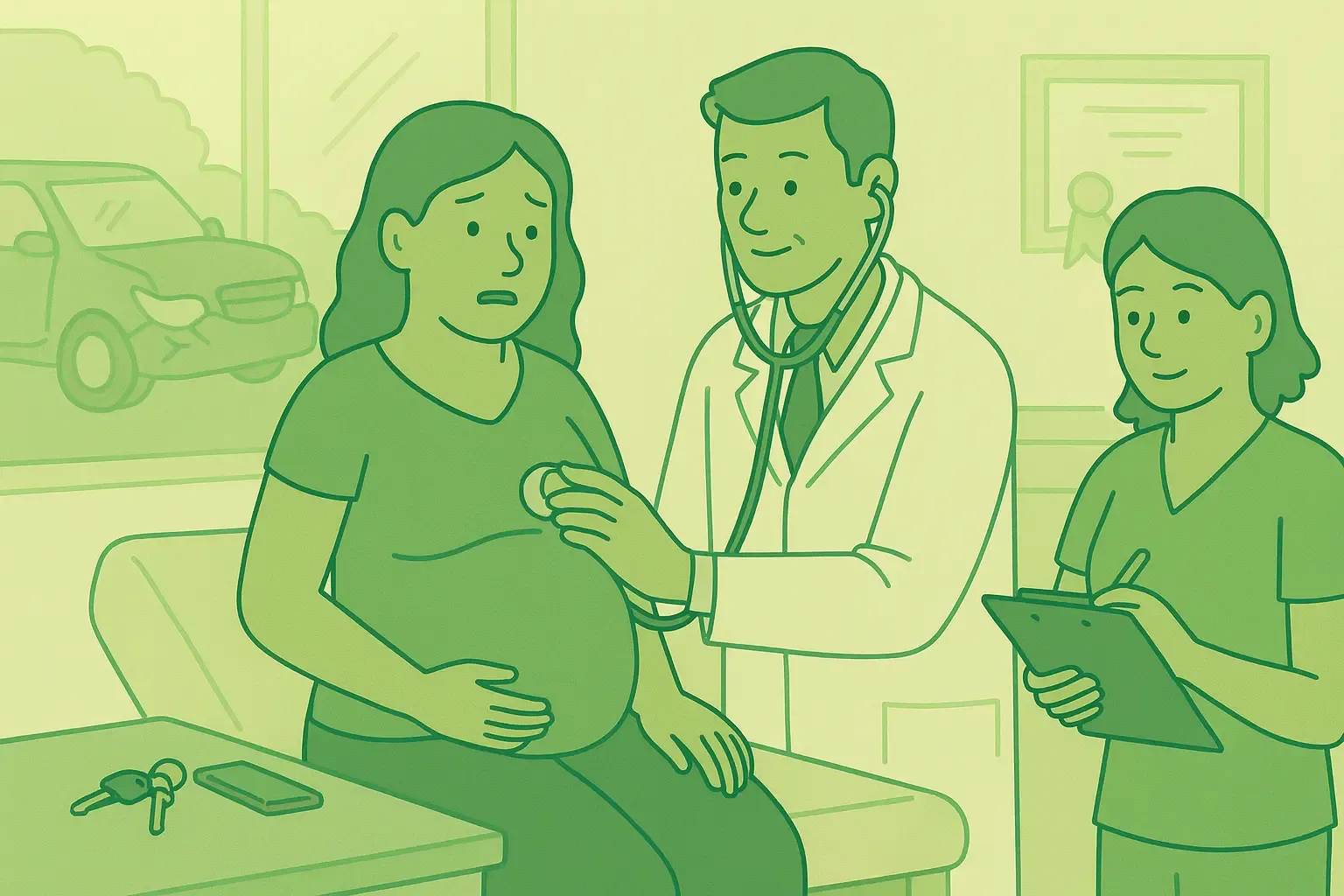
When you’re pregnant, everything around you can seem like a threat to the safety of your baby’s health and comfort. But a car accident? That will definitely send you flying into panic mode, even if it’s just a fender bender.
This is natural. But after the initial shock wears off, it’s time for some action. Overthinking won’t help in this situation, but a visit to the ER or your OBGYN (whichever’s faster) will definitely help. Still, until you can get yourself and the baby seen by a healthcare professional, there are a few more steps to take.
This guide breaks down what to do after an accident and how to care for yourself and your baby. So keep reading and make sure you are prepared (just in case).
Steps to Take Before Driving
Each year, an estimated 92,500 pregnant women are involved in motor vehicle accidents in the U.S., according to recent data. Car crashes are also the leading cause of traumatic and fatal injuries for both mothers and the children they carry.
But it’s not just the crash that causes injuries. Improper safety measures, like not wearing the seatbelt properly, can also cause harm.
So, before you even move the car from your driveway, make sure you follow these steps:
- Wear the seatbelt. Many pregnant women loosen or skip the belt out of fear that it might harm the baby. In reality, not wearing it poses far greater danger.
- Make sure you wear the seatbelt correctly. The lap belt should sit snugly under your belly, across your hips and pelvic bone — never over the bump. The shoulder belt goes between your breasts and off to the side of your belly, not across it. If the belt feels uncomfortable, adjust your seat angle or move it slightly back from the steering wheel.
- Adjust the car’s interior to fit your needs. Make sure the steering wheel or dashboard isn’t pressing into your abdomen. As a passenger, do not recline your seat halfway. It may feel a bit more comfortable, but in case of a crash, you risk sliding under the belt during impact.
Document the Accident
If you can, get out of the car and film the positioning of the vehicles, the damaged area, and even the other driver. You can also narrate while filming, because soon enough, the adrenaline rush will drop, and details will start fading from your brain.
Also, take pictures of the other driver’s documents and information. It’s safer to have a digital copy that you can whip out whenever needed. Similarly, take contact information from any witnesses.
Even the smallest tidbit of information can help, so record everything.
Go to the Doctor
Even if you feel fine and the accident was nothing but a bump, make sure you get seen by a healthcare professional. Even if you’re not having a complicated pregnancy, you never know if the impact didn’t cause any internal damage.
Talk to your OBGYN as well, as they know your pregnancy better than an ER doctor.
Also, document every visit and keep every official paper, receipts, and treatment recommendations.
Get Legal Representation
After you make sure everyone is safe and sound, you’ll have to deal with the insurance paperwork. You may be tempted to cover everything yourself, but it’s not worth the hassle, especially when you’re busy bringing new life into this world.
Getting legal help after a car crash is the best thing you can do for your peace of mind. Look for a personal injury lawyer who has experience with pregnancy-related cases. Many offer free consultations and only charge if you receive compensation.
A qualified attorney can ensure your medical costs, lost wages, and future prenatal care are fully considered, because pregnancy adds layers of complexity that standard accident claims don’t always account for.
Also, keep in mind that in most states, personal injury laws recognize pregnancy-related injuries and fetal harm as valid claims. That doesn’t mean you’re starting a lawsuit tomorrow, but it does mean you have rights worth protecting.
Give Yourself Time to Breathe
Once the dust (and insurance paperwork) settles, the next few days are all about listening to your body and your baby. Even after a doctor clears you, new symptoms can appear as adrenaline fades and your body starts to respond to the trauma.
Keep an eye on abdominal pain or cramping, back pain, vaginal bleeding, fluid leakage, dizziness, or any noticeable decrease in fetal movement. If you experience any of these, call your healthcare provider or go straight to the hospital. It’s always better to overreact than overlook something serious.
Physically, your body might feel sore or tense, even if you didn’t sustain direct injuries. Gentle stretching, rest, and staying hydrated can help.
Wrap Up
The steps discussed here should help you feel more prepared behind the wheel. Still, we know that anxiety is a mother’s constant companion. Try to stay positive and know that, should you get in a car accident during pregnancy, you will be ready to take action.