How to Use Essential Oils for Psoriasis Relief at Home
<p>Living with psoriasis can feel like a constant battle with your own skin. The itching, redness, flaking—it all adds up. But what if something as simple and natural as essential oils could ease the…
- Published
- Written by
- Women In Balance Team
- Reading time
- 4 minutes
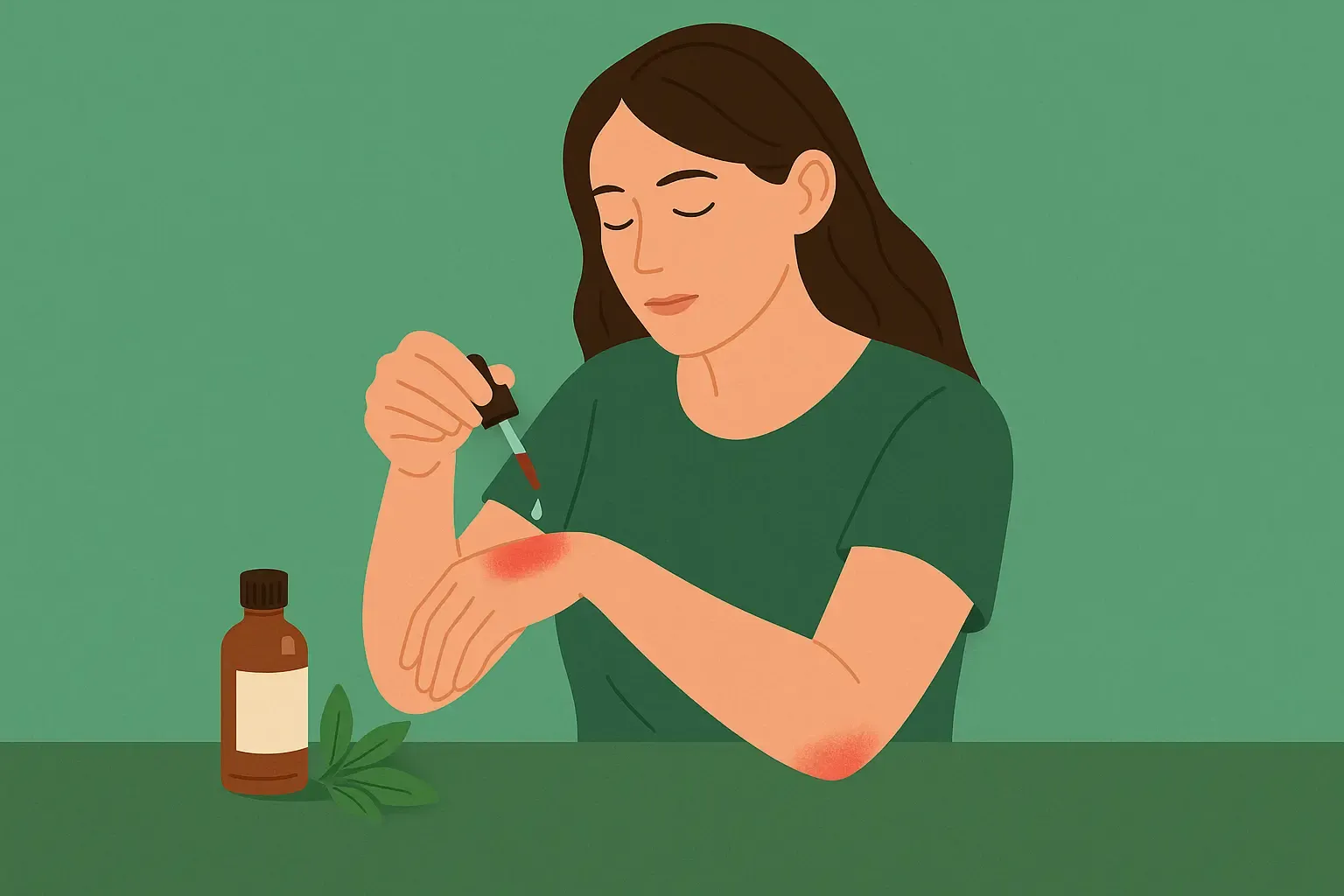
Living with psoriasis can feel like a constant battle with your own skin. The itching, redness, flaking—it all adds up. But what if something as simple and natural as essential oils could ease the struggle? More and more people are turning to essential oils for psoriasis relief at home. These potent plant extracts don’t just smell good—they may actually help soothe flare-ups and calm irritated skin.
Why Use Essential Oils for Psoriasis Relief?
Many people dealing with psoriasis have tried countless creams and medications with little to no lasting relief. That’s where essential oils for psoriasis come into the picture. These oils are concentrated extracts from plants and have been used for centuries to treat skin issues, inflammation, and stress, all of which are closely linked to psoriasis.
Whether you want to reduce scaling, moisturize dry patches, or calm the itch, essential oils offer a natural alternative that many find worth exploring. Best of all, you can use them at home without spending a fortune.
Best Essential Oils for Psoriasis Relief
When it comes to managing flare-ups, not all oils are created equal. Here are some top choices people swear by when using essential oils for psoriasis:
- Tea Tree Oil: Known for its antibacterial and anti-inflammatory properties. It may help reduce redness and infection risks in broken skin.
- Abyssinian Oil: Rich in omega-9 fatty acids, it helps to deeply hydrate skin, smooth out scaly textures, and create a protective barrier without feeling greasy.
- Lavender Oil: This gentle oil soothes irritation and helps with stress, which is a common trigger for flare-ups.
- Frankincense Oil: Often used to calm skin inflammation and reduce scaly patches.
- Geranium Oil: Supports skin healing and balances oil production.
- Chamomile Oil: Calms itchy, inflamed skin and works well for sensitive areas.
Each of these essential oils for psoriasis can be blended with a carrier oil to help your skin heal gently and naturally.
How to Dilute and Apply Essential Oils Safely
Before you go rubbing oils straight on your skin, pause. Pure essential oils for psoriasis are very potent and need to be diluted with a carrier oil—like coconut, jojoba, or sweet almond oil—to avoid irritation.
Here’s a simple guide for safe application:
- Mix 3–5 drops of essential oil with 1 tablespoon of carrier oil.
- Do a patch test first. Apply a small amount on the inside of your wrist and wait 24 hours to check for any reaction.
- Apply gently to affected areas, ideally after a bath or shower when your pores are open.
This method helps your skin absorb the oil more effectively and increases the chances of seeing real relief from using essential oils for psoriasis.
Simple DIY Recipes for Psoriasis Relief
Making your own blends at home is easy and lets you control exactly what goes on your skin. Try these calming combos to make the most of essential oils for psoriasis:
Soothing Psoriasis Massage Blend
- 4 drops lavender oil
- 3 drops tea tree oil
- 2 drops chamomile oil
- 2 tablespoons sweet almond oil
Rub gently into patches twice a day. This mix reduces itching while keeping skin soft.
Nighttime Relief Roll-On
- 5 drops frankincense oil
- 5 drops geranium oil
- 10 ml jojoba oil (in a roller bottle)
Apply before bed to help repair skin overnight and get better sleep—stress can make psoriasis worse, and good rest helps everything.
Tips for Managing Psoriasis Beyond Oils
While essential oils for psoriasis can be a powerful tool, don’t forget the basics that make all the difference in your overall skin health:
- Keep skin moisturized daily. Use thick, fragrance-free creams or oils.
- Avoid harsh soaps that dry you out. Choose gentle, unscented cleansers.
- Bathe smart—lukewarm water with oatmeal or Epsom salt can soothe skin.
- Manage stress with yoga, meditation, or breathing exercises.
- Watch your triggers, such as certain foods, cold weather, or tight clothes.
Think of essential oils as part of a complete home-care routine that supports healing from multiple angles.
Common Mistakes to Avoid
When first trying essential oils for psoriasis, it’s easy to get overly excited. But more isn’t always better. Here are mistakes to avoid:
- Using undiluted oils directly on skin, which can burn or cause a reaction.
- Trying too many oils at once, making it hard to track what works.
- Skipping patch tests, especially if you have sensitive skin.
- Not being consistent—natural remedies take time and regular use.
Keep a journal if needed. Note how your skin responds to each oil and how often you apply it. Small changes matter when using essential oils for psoriasis safely and effectively.
A Personal Story: Sarah’s Journey with Essential Oils
Sarah, a 34-year-old teacher, had been living with plaque psoriasis on her elbows and scalp for years. Frustrated with prescription creams that didn’t last, she started experimenting with essential oils for psoriasis after reading about them in a support group.
She began with tea tree and lavender mixed in coconut oil and applied it nightly. Within two weeks, her itching had reduced. Over time, she noticed her red patches were less inflamed. “It’s not a miracle,” she says, “but it made my skin feel like mine again.”