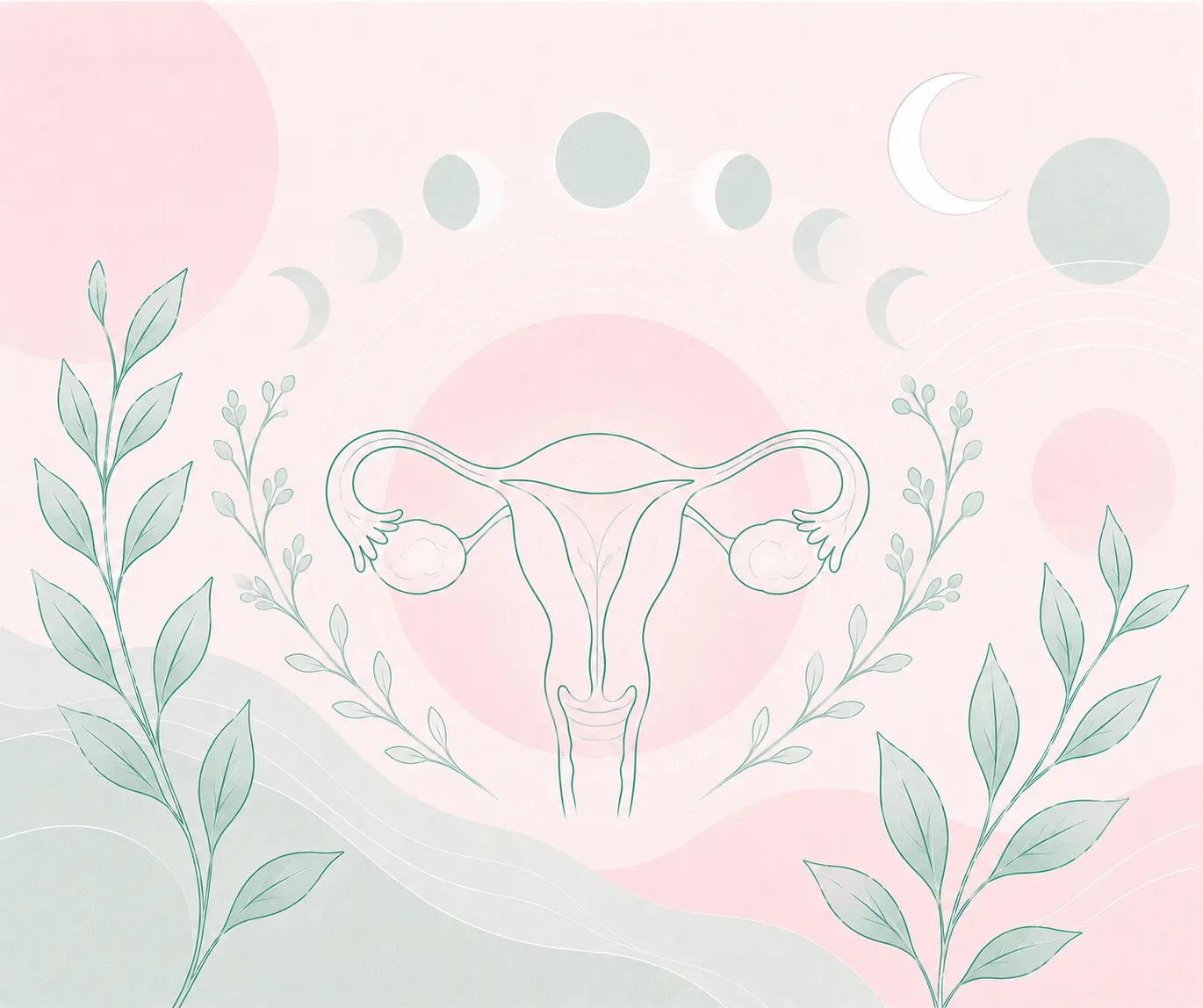
Finding the Right Endometriosis Specialist for Whole-Body Wellness
For many women, chronic pelvic pain, heavy periods, fatigue, or fertility challenges can feel like a normal part of life—but these may be signs of endometriosis, a condition that affects millions of…
- Published
- Written by
- Women In Balance Team
- Reading time
- 6 minutes

For many women, chronic pelvic pain, heavy periods, fatigue, or fertility challenges can feel like a normal part of life—but these may be signs of endometriosis, a condition that affects millions of women worldwide. Despite its prevalence, endometriosis is often underdiagnosed or misdiagnosed, leaving many women searching for answers and effective treatment.
Finding the right specialist can make a significant difference. An endometriosis specialist is trained to provide targeted care, accurate diagnosis, and a treatment plan tailored to each individual. Beyond medical expertise, the best specialists consider the woman as a whole—addressing not only physical symptoms but also emotional well-being, lifestyle, and long-term health.
In this article, we’ll explore what makes an endometriosis specialist unique, practical steps for choosing the right one, and strategies to support whole-body wellness alongside treatment. By understanding these key factors, women can take proactive steps toward better health and a higher quality of life.
Understanding Endometriosis and Its Impact
Endometriosis is a chronic condition in which tissue similar to the lining of the uterus grows outside the uterus, often affecting the ovaries, fallopian tubes, and pelvic lining. This can lead to inflammation, scarring, and painful adhesions, causing symptoms that range from mild discomfort to severe, life-altering pain.
Common signs of endometriosis include chronic pelvic pain, heavy or irregular periods, fatigue, pain during intercourse, and, in some cases, difficulty conceiving. Because these symptoms can vary widely and mimic other conditions, endometriosis is frequently underdiagnosed or misdiagnosed, which can delay effective treatment.
According to the World Health Organization, endometriosis affects an estimated 10 % of reproductive-age women worldwide and can have a significant impact on quality of life. Beyond physical discomfort, chronic pain can affect emotional well-being, relationships, work, and daily activities, making it difficult for women to maintain balance in their lives. Access to reliable women’s health resources can also play an important role in helping individuals better understand endometriosis, explore care options, and make informed decisions that support long-term, whole-body wellness.
Understanding the condition and recognizing its signs early is critical. Seeking care from a knowledgeable endometriosis specialist ensures accurate diagnosis and access to treatments that support both symptom relief and overall wellness.
What Makes an Endometriosis Specialist Different
Many women first turn to a general gynecologist when experiencing pelvic pain or menstrual concerns, but an endometriosis specialist offers a level of expertise specifically focused on diagnosing and managing this complex condition. Specialists receive advanced training to recognize the often subtle signs of endometriosis and understand the wide range of ways it can affect the body.
One key difference is in diagnosis. Endometriosis can be challenging to detect with standard exams or imaging alone. A specialist uses a combination of patient history, physical examinations, and, when necessary, minimally invasive procedures to ensure accurate diagnosis. This precision is essential, as early detection often leads to more effective treatment and better long-term outcomes.
Treatment with a specialist extends beyond symptom relief. Many endometriosis specialists take a whole-body wellness approach, offering individualized treatment plans that may include minimally invasive surgery, hormone management, and complementary strategies such as nutrition counseling, pain management, and mental health support.
Choosing a specialist means accessing care that is both medically advanced and holistic. Women benefit not only from targeted interventions but also from guidance on maintaining overall health, emotional well-being, and quality of life while managing the challenges of endometriosis.
How to Choose the Right Specialist
Selecting the right endometriosis specialist can feel overwhelming, but knowing what to look for can help women make an informed decision. The ideal specialist combines medical expertise with a holistic, whole-body approach to care. Here are some practical tips for evaluating specialists:
1. Credentials and Training
Look for a board-certified OB/GYN with advanced training or experience in endometriosis management. Specialists who focus on minimally invasive procedures or complex pelvic surgery often provide more precise treatment options.
2. Experience
Experience matters when managing a complex condition like endometriosis. Ask how many cases the specialist has treated, particularly those involving surgery, and how comfortable they are with advanced diagnostic tools.
3. Whole-Body Wellness Approach
The best specialists consider the woman as a whole. This may include guidance on diet, exercise, pain management, and emotional support. A holistic approach helps women manage symptoms while improving overall health and quality of life.
4. Patient Feedback and Referrals
Reading patient reviews or seeking referrals from trusted sources can provide insight into the specialist’s bedside manner, communication style, and effectiveness.
5. Comfort and Communication
Feeling heard and supported during appointments is crucial. The right specialist will listen to your concerns, explain treatment options clearly, and involve you in decision-making.
By prioritizing these factors, women can find an endometriosis specialist who not only treats the condition effectively but also supports long-term wellness, helping them regain balance in their daily lives.
Questions to Ask During Your Consultation
Preparing questions before meeting an endometriosis specialist helps ensure that you get the information you need and feel confident in your care. Here are some important questions to consider:
- Diagnostic Approach – “How do you determine whether a patient has endometriosis, and what diagnostic tools do you use?”
- Treatment Options – “What medical or surgical treatments do you offer, and how do you decide which approach is best?”
- Holistic Support – “Do you incorporate lifestyle strategies, nutrition guidance, or complementary therapies alongside medical treatment?”
- Long-Term Management – “What strategies do you recommend for managing symptoms and maintaining quality of life over time?”
- Patient Resources – “Do you provide access to support groups, counseling, or educational materials for patients?”
Asking these questions not only clarifies the specialist’s approach but also empowers women to actively participate in their care, supporting both symptom relief and overall wellness.
Supporting Whole-Body Wellness Alongside Treatment
While an endometriosis specialist provides expert medical care, women can take additional steps to support their overall health and well-being alongside treatment. Focusing on whole-body wellness can help reduce symptoms, improve energy, and enhance quality of life.
Nutrition plays an important role. Many women find that an anti-inflammatory diet—rich in fruits, vegetables, lean proteins, and omega-3 fatty acids—helps ease pain and supports hormonal balance. Reducing processed foods, excess sugar, and inflammatory oils may also lessen discomfort.
Physical activity can improve circulation, strengthen pelvic muscles, and reduce stress. Gentle exercises such as yoga, swimming, or walking are often recommended for women managing endometriosis.
Stress management is equally important. Chronic stress can worsen symptoms, so incorporating mindfulness, meditation, deep breathing, or counseling can promote emotional wellness.
Finally, prioritizing rest and self-care allows the body to recover and maintain balance. By combining these lifestyle strategies with specialized medical care, women can take a proactive role in managing endometriosis while supporting their overall health and long-term wellness.
Conclusion
Endometriosis can have a significant impact on physical health, emotional well-being, and daily life. Choosing the right endometriosis specialist is a crucial step toward accurate diagnosis, effective treatment, and overall wellness. A specialist who combines medical expertise with a whole-body approach can help women manage symptoms while supporting long-term health and quality of life.
If you are experiencing chronic pelvic pain, heavy periods, or other signs of endometriosis, seeking care from a trusted specialist is an important step. By taking proactive steps and working with a knowledgeable specialist, women can regain balance, improve their quality of life, and take control of their health journey.