Healing After Trauma: Self-Care Tips Every Woman Should Know
<p>Trauma can stem from varied reasons, including an accident, loss, or a personal crisis. No matter the cause, it can leave deep emotional imprints. For a majority of women, the recovery path seems…
- Published
- Written by
- Women In Balance Team
- Reading time
- 4 minutes
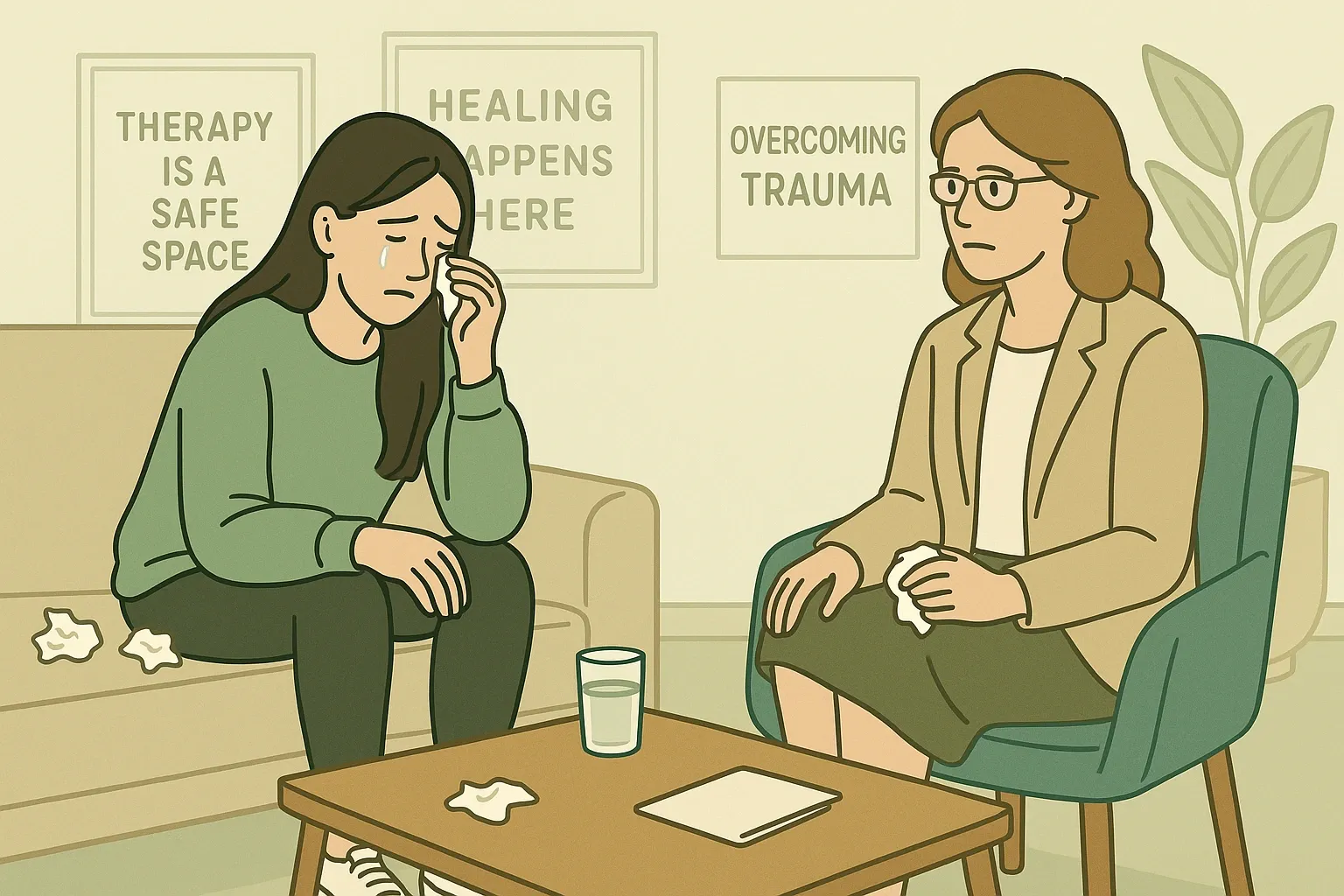
Trauma can stem from varied reasons, including an accident, loss, or a personal crisis. No matter the cause, it can leave deep emotional imprints. For a majority of women, the recovery path seems challenging. They may find it difficult to reclaim control, rediscover self-worth, and nurture both body and mind.
Recently, many mental health professionals have advocated the benefits of self-care in speeding up healing in post-traumatic episodes. Self-care habits act as the building blocks of healing, steadily guiding individuals toward recovery and personal growth.
In this blog post, we aim to explore a few practical self-care tips every woman should know after facing trauma.
Navigating Life After Traumatic Events
Traumatic experiences, whether caused by personal loss, accidents, or unexpected life changes, often leave lasting emotional, financial, and legal impacts. For many women, the challenge lies in balancing recovery with managing the complex responsibilities that often follow such events.
For instance, accidents may bring mounting medical bills, insurance disputes, or legal hurdles. Likewise, incidents like workplace injuries, slip-and-fall accidents, or harm caused by negligent care can create overwhelming financial and emotional strain. Each case carries unique consequences that require careful handling.
Navigating these factors becomes even more challenging in states like Colorado, where accidents and injury cases have been on the rise. As of this writing, Colorado traffic fatalities totaled 298 in 2025, according to the Colorado Department of Transportation. This pattern can also be seen in cities like Colorado Springs.
In such situations, consulting a compassionate legal expert can ease part of the burden. Whether it’s an auto accident, a workplace injury, or a personal injury caused by negligence, reaching out to a personal injury attorney in Colorado Springs ensures that women don’t have to face legal complexities alone.
According to Springs Law Group, legal support provides peace of mind, knowing your rights are protected while you focus on healing. It ensures your rights are protected and important matters like claims and settlements are handled with care.
It’s More Than Just Emotional Scars
Trauma doesn’t always accompany drastic symptoms. Sometimes, it hides in subtle ways such as sleepless nights, unexplained anxiety, emotional numbness, or even physical fatigue.
Many women today grapple with post-traumatic stress disorder (PTSD), often caught in a challenging cycle of emotional setbacks and lingering pain. Untreated trauma may result in lasting health issues, from chronic pain to heart disease.
However, one great thing is that women are more willing to seek professional help than men. According to the studies published on the website of the U.S. Department of Veterans Affairs, women tend to seek treatment for PTSD more often than men. One possible reason is that women often feel less stigma about reaching out for mental health support than their male counterparts.
This willingness can help them face life’s challenges with greater patience and care, making it easier to cope with traumatic experiences.
Building a Practical Self-Care Routine
According to the World Health Organization, post-traumatic stress disorder (PTSD) affects approximately 3.9% of people globally, with women being more commonly impacted than men.
Self-care plays a key role in supporting recovery by encouraging healthy routines, regular exercise, and effective stress management. Avoiding alcohol and fostering good sleep habits also helps manage symptoms, thereby supporting overall well-being.
- Mindful Movement: Whether it’s yoga, dance, or a simple morning stretch, mindful physical activity releases tension and boosts endorphins.
- Nature Walks: Spending even 15 minutes a day in green spaces can significantly lower cortisol levels.
- Creative Outlets: Art therapy, journaling, or music can help process emotions that are hard to express verbally.
- Digital Detoxes: Unplugging for a few hours daily can reduce anxiety and help reconnect with yourself.
Why Seeking Professional Support Makes a Difference
While self-care is essential, some wounds need the guidance of a professional. Therapy, whether through individual sessions or group counseling, offers structured support that personal efforts alone may not provide.
Combining self-care with professional therapy often leads to stronger emotional resilience compared to relying solely on personal coping strategies. Today, access to trauma-informed therapists is more widespread, with many offering online sessions. This accessibility makes professional support more available and convenient than ever before.
Frequently Asked Questions (FAQs):
Is there a set timeline for healing after trauma?
Healing from trauma doesn’t follow a fixed timeline. The journey depends on personal experiences, coping strategies, and support systems. What matters most is practicing consistent self-care and seeking professional help when needed, rather than chasing a set recovery timeframe.
Can legal support help in emotional recovery?
Yes, legal support can ease emotional recovery by reducing stress over rights, claims, and financial worries. Having a trusted advocate helps victims feel protected and supported during vulnerable times. Often, legal professionals work alongside mental health experts to guide clients through complex situations, making the healing journey less overwhelming. Experienced Malloy Law accident attorneys advise clients to focus on informed decision-making while coordinating care with qualified professionals who understand the emotional impact of injury-related claims. This approach helps individuals feel supported as legal and personal recovery efforts move forward together.
3. Are self-care practices effective without professional therapy?
Self-care helps manage daily stress and promotes well-being. It offers relief and supports emotional balance. However, deep trauma may need more than personal efforts. Professional therapy provides structured guidance. Together, self-care and therapy often work best for lasting healing and stronger emotional recovery.
Healing from painful experiences is a personal journey that goes far beyond recovering from physical injuries. While self-care routines offer daily strength, professional support can make the road to recovery smoother. By staying informed, seeking the right help, and practicing consistent care, women can navigate post-traumatic challenges with greater resilience and confidence.