Hormonal Hair Loss in Women: What You Can Do at Home
Hair thinning and excessive hair fall can be distressing, especially when it seems to happen suddenly. For many women, hormonal changes are a major trigger. Life stages such as pregnancy, postpartum…
- Published
- Written by
- Women In Balance Team
- Reading time
- 4 minutes
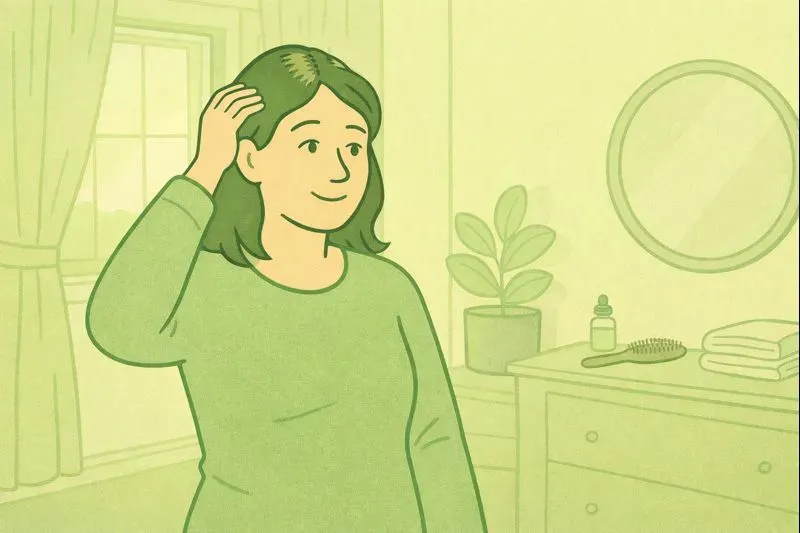
Hair thinning and excessive hair fall can be distressing, especially when it seems to happen suddenly. For many women, hormonal changes are a major trigger. Life stages such as pregnancy, postpartum recovery, menopause, and conditions like thyroid imbalances or polycystic ovary syndrome (PCOS) can disrupt the natural hair growth cycle, leading to noticeable shedding or thinning.
The good news is that hormonal hair loss in women is very common—and in most cases, manageable. With the right at-home strategies, gentle care, and consistency, it’s possible to support healthier hair growth and reduce excessive shedding over time.
Why Hormonal Changes Affect Women’s Hair
Hormones play a crucial role in regulating the hair growth cycle. When estrogen levels are balanced, hair tends to stay in the growth phase longer. However, hormonal shifts can cause more hair follicles to enter the resting phase, resulting in increased hair fall.
Women may experience hormonal hair loss due to:
● Pregnancy and postpartum hormone fluctuations
● Menopause and declining estrogen levels
● Thyroid disorders
● PCOS and elevated androgen levels
● Chronic stress affects cortisol levels
For women experiencing hair loss due to hormonal changes, understanding the cause is the first step toward effective at-home care.
At-Home Light Therapy: A Supportive Tool, Not a Cure
Many women explore at-home light-based solutions to support hair regrowth. When considering At-home laser vs LED hair growth treatment, it’s important to view both options as complementary tools rather than standalone solutions for hormonal hair loss.
At-home laser therapy uses low-level light therapy (LLLT) to stimulate hair follicles and improve blood circulation in the scalp. This may help strengthen existing strands and encourage regrowth, particularly for women dealing with hormonal thinning rather than complete hair loss.
LED hair growth therapy works similarly but uses a broader spectrum of light. It is generally gentler and may be better suited for women with sensitive scalps or early-stage hair thinning. While results may take longer compared to laser therapy, LED devices are easy to use and comfortable for regular at-home routines.
For women experiencing hair loss due to hormonal changes, both laser and LED treatments can be supportive when paired with proper hair care, nutrition, and lifestyle habits.
Gentle Hair Care Makes a Big Difference
When hormones are already stressing your hair follicles, aggressive styling and harsh products can worsen shedding. Switching to gentle hair care practices can significantly reduce breakage and hair fall.
● Use sulfate-free, mild shampoos
● Avoid tight hairstyles that pull on the scalp
● Minimize heat styling and chemical treatments
● Detangle hair gently using a wide-tooth comb
● Wash hair with lukewarm water instead of hot water
Treating your hair kindly helps preserve existing strands while supporting healthier regrowth. It’s useful to recognize the early signs of hair thinning, especially if hormonal changes are the cause. Understanding these early signs of hair thinning can help women take proactive steps to manage and address hair loss before it becomes more noticeable.
Nutrition: Feed Your Hair From Within
Hormonal hair loss in women is often linked to nutritional deficiencies. A balanced, nutrient-rich diet can support hormone balance and hair strength.
Focus on:
● Protein-rich foods
● Iron-rich foods
● Omega-3 fatty acids
● Biotin, zinc, and vitamin D
Staying hydrated is equally important, as dehydration can make hair dry and brittle.
Stress Management and Hormonal Balance
Chronic stress can worsen hormonal imbalances and trigger hair shedding. Managing stress is essential for both emotional well-being and hair health.
At-home stress-reducing practices include:
● Yoga or gentle stretching
● Meditation or deep breathing exercises
● Adequate sleep and consistent sleep schedules
● Reducing caffeine and highly processed foods
Lower stress levels help stabilize hormones, creating a healthier environment for hair growth.
Scalp Massage: Simple Yet Effective
Regular scalp massage improves blood circulation and helps deliver nutrients to hair follicles. It’s an easy, affordable habit that women can incorporate at home.
Massage your scalp for 5–10 minutes daily using your fingertips or a scalp massager. Lightweight oils such as coconut or rosemary oil can be used if your scalp tolerates them well.
When to Seek Professional Help
While at-home strategies are effective for many women, persistent or severe hair loss should not be ignored. If shedding continues despite consistent care, consulting a dermatologist or trichologist is recommended. Professional guidance can help identify underlying hormonal or medical causes and prevent further thinning.
Hormonal hair loss in women can feel overwhelming, but it’s important to remember that it is common and often temporary. Gentle hair care, proper nutrition, stress management, scalp massage, and supportive tools like At-home laser and LED therapy can all play a role in recovery.
Final Thoughts
Consistency and patience are key. With regular care and a holistic approach, women can support healthier hair growth and regain confidence—even during periods of hormonal change.