Hormones, Stress, and Social Fatigue: Understanding the Connection
<p>If you are a woman in midlife, especially if you are navigating the hormonal shifts of perimenopause or menopause, you know that exhaustion hits differently. It is not just tiredness; it is a…
- Published
- Written by
- Women In Balance Team
- Reading time
- 5 minutes
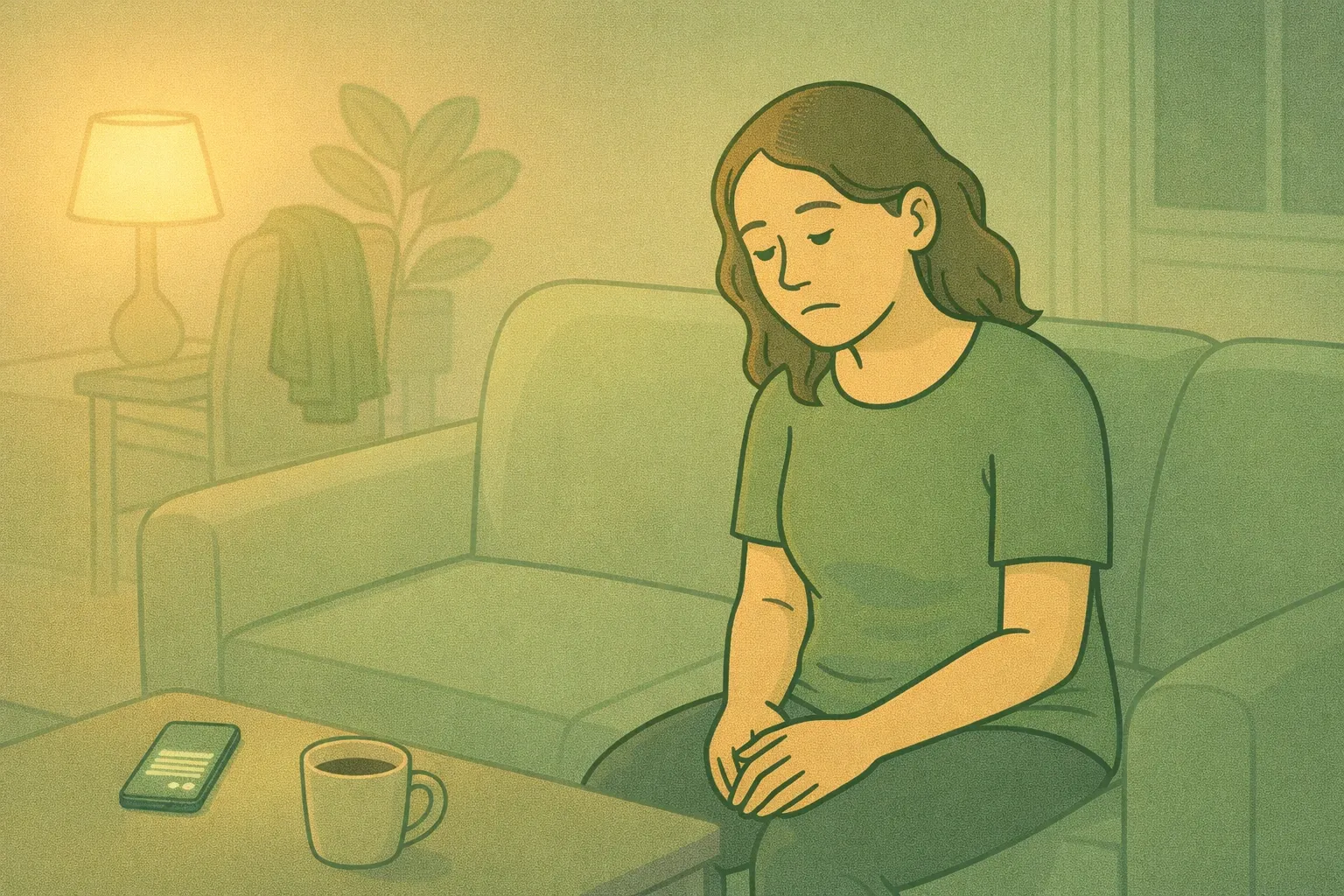
If you are a woman in midlife, especially if you are navigating the hormonal shifts of perimenopause or menopause, you know that exhaustion hits differently. It is not just tiredness; it is a deep, bone-weary depletion that can feel impossible to shake off.
You might be juggling a career, an aging parent, and kids, and still trying to maintain a vibrant social life. That is a heavy load. When your social battery is constantly drained, it is not just a psychological problem; it is a profound physiological stressor.
Here is the truth about why this matters so much to your Women In Balance approach: Every time you push through social exhaustion, your body releases cortisol, your primary stress hormone. Chronic, low-grade cortisol release, triggered by constantly feeling “on,” is a primary antagonist to your sex hormones. It is a biological trade-off. Your body prioritizes survival (stress response) over fertility and balance (estrogen and progesterone). High, sustained cortisol can worsen hot flashes, disrupt sleep, and even contribute to the stubborn belly fat many women experience in their 40s and 50s.
We have to stop thinking of rest as a luxury and start treating it as a hormone-protective strategy.
Setting Boundaries is Your New Progesterone
When your progesterone levels start to dip in perimenopause, many women experience heightened anxiety, irritability, and poor sleep. What is one of the best ways to manually support your nervous system? Boundaries. They function like a natural boost of calm.
The goal is to find connection without the energetic cost of “performance.”
You do not need to host a dinner party to feel connected. You can find simple, low-stakes ways to interact that require minimal effort. For instance, if you are craving that feeling of shared experience but cannot handle the demanding energy of a phone call, sometimes a brief, anonymous interaction can provide a necessary mental break. It offers a way to meet people and chat without the pressure. Tools like chats for lonely people can serve as an outlet where you can share a thought or vent a frustration without having to worry about someone asking follow-up questions or requiring emotional labor. In the same way, platforms built around Random Video Chat create space for spontaneous, short conversations that feel human and engaging, yet remain completely obligation-free. It is connected to a zero-obligation contract.
Remember, protecting your energy reserves is not selfish; it is essential for keeping your endocrine system stable.
The Secret Power of Parallel Play
As we age, our female friendships often become deeply reciprocal and demanding. That is wonderful, but sometimes you just cannot meet that demand. You want the comfort of companionship without the pressure of having to process your friend’s complex issues or recount your own exhaustive week.
Enter “Parallel Play.” This is a concept where you and a friend are physically together or connected digitally, but engaged in separate, quiet activities.
Think about it: Your friend is doing a complex jigsaw puzzle on one side of the room, and you are balancing your budget on the other. You are in the same energetic field, providing the comforting sensation of social safety, but neither of you is required to talk. This provides the social warmth that humans crave, which lowers the threat perception in the brain, but it does so without asking for verbal performance.
This can be a fantastic way to utilize an hour of downtime. You get the comfort of the “herd,” which evolutionarily calms the nervous system, but you maintain the quiet necessary for cognitive rest.
Sensory Curating: A Neurobiological Reset
For women dealing with hormone fluctuations, many become incredibly sensitive to sensory input. Fluctuating estrogen can make the central nervous system more reactive, meaning bright lights, loud noises, and even strong smells can quickly trigger feelings of irritation or anxiety.
Recharging your social battery at home is therefore a process of sensory regulation.
- Dim the Lights: Turn off harsh overhead lighting that simulates an office or retail environment. Switch to low-wattage, warm-spectrum lamps. This soft, low light cues your brain that it is time to wind down, gently encouraging melatonin production for better sleep preparation.
- Sound Therapy: Silence can be nice, but consistent sound, like white or brown noise, is actually better at reducing mental chatter. It provides a soft auditory blanket that helps your brain stop scanning for threats.
- Tactile Comfort: This is surprisingly powerful. Slip into soft, natural fibers. Use a weighted blanket. The light, consistent pressure on your body activates the parasympathetic nervous system (the “rest and digest” mode). It is like a calming, all-over hug that signals safety to your brain, lowering that background cortisol hum.
Digital Detoxes and the Cortisol Spike
Honestly, you cannot fully recharge if your phone is within arm’s reach.
The mere presence of a smartphone, even if it is facedown, has been shown to reduce cognitive capacity. Worse, every time a text, email, or social notification pops up, it releases a micro-dose of cortisol and dopamine. This is an addictive, low-grade stress cycle that keeps you in a state of hyper-vigilance.
This is why a simple “Digital Do Not Disturb” boundary is crucial.
You need to train your family and friends that your home time is sacred. Send a gentle “bat signal” text that says: “Resting up for the night! Will check messages in the morning.”
A key aspect of balance is realizing that you are not a 24/7 emergency response service. Taking a few hours off of emotional availability is not a failure of friendship; it is an act of self-preservation that safeguards your sleep and your hormonal health.
The Flow State is Free Therapy
When you are socially depleted, your brain’s default mode network (the area responsible for self-reflection and worry) is usually running rampant. The best way to switch it off is by doing something that requires light, focused effort with your hands, an activity known as achieving a “flow state.”
This is not “zoning out” by binge-watching TV. This is “tuning in” to an activity that is just hard enough to keep your attention but not so hard that it causes frustration.
- Knitting, crocheting, or simple needlework.
- Baking a recipe for the first time.
- Watering and pruning your houseplants.
- Putting together a complex LEGO set.
When you enter this flow state, time seems to disappear. You are fully present. That presence gives your central nervous system a much-needed break from emotional processing and social navigation, which is the most efficient way to reduce cortisol and replenish your core energy reserves.
Be Temporarily Boring to Be Sustainably Balanced
The biggest obstacle to recharging is the guilt we carry about not being productive or exciting. We feel compelled to chase the highlight reels of social media, forgetting that the foundation of a healthy, balanced life is consistent, intentional rest.
For the woman trying to manage her hormones, every restful moment is a building block. Staying home to intentionally be quiet, to do nothing, or to simply enjoy the comfort of your own space is not boring. It is the sophisticated, conscious choice of someone who understands that internal equilibrium is more valuable than external validation.
Give yourself permission this week to choose peace over performance. Your hormones will thank you for it.