Understanding How Hormonal Changes Affect Oral Health for Women Seeking Orthodontic Care
<p>Hormonal changes during menopause can impact women’s oral health significantly. Recognizing these changes is important for maintaining gum health and preventing tooth movement. Orthodontic care…
- Published
- Written by
- Women In Balance Team
- Reading time
- 4 minutes
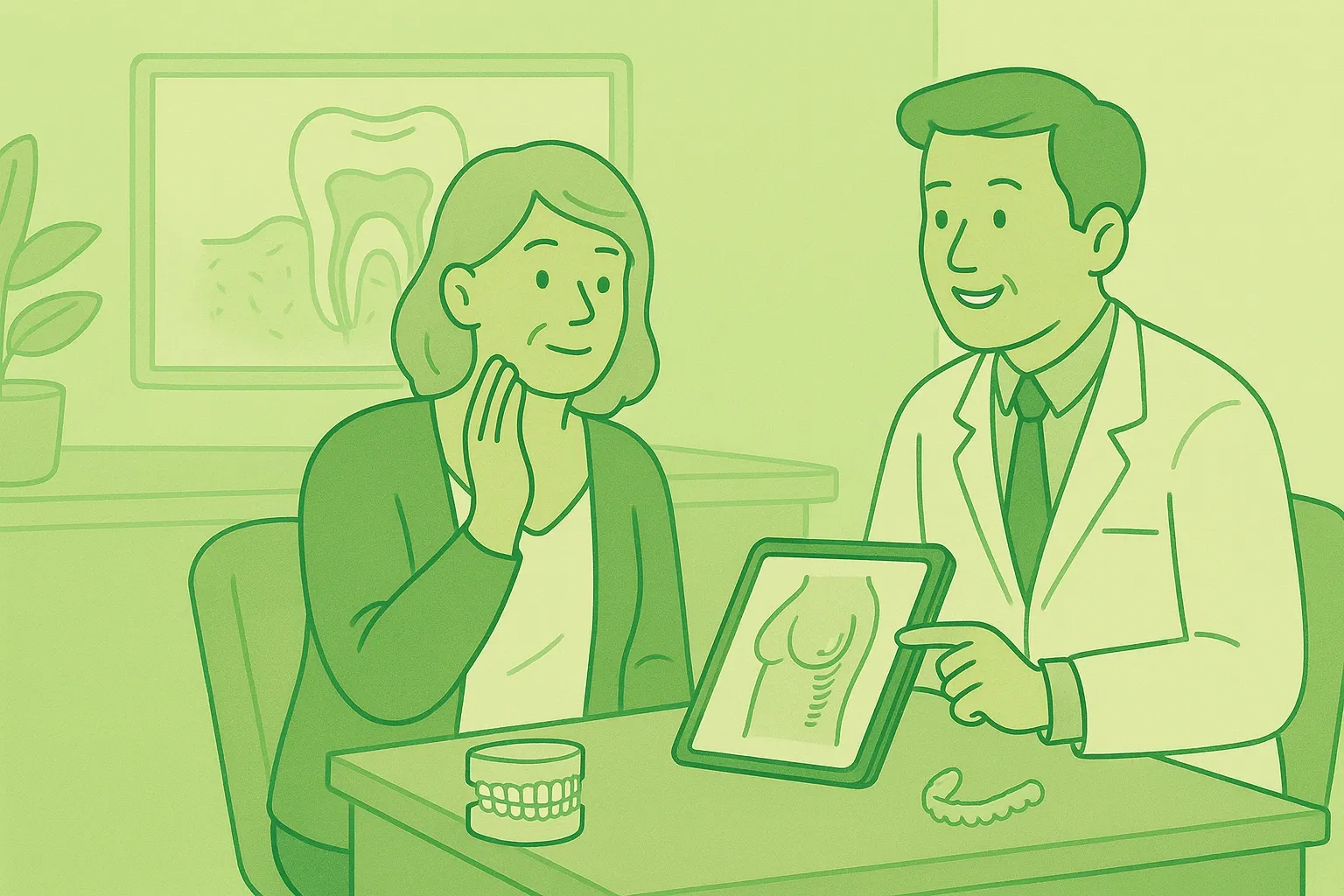
Hormonal changes during menopause can impact women’s oral health significantly. Recognizing these changes is important for maintaining gum health and preventing tooth movement. Orthodontic care provides effective solutions to manage these issues.
Maintaining oral health throughout different life stages is crucial for overall well-being. As women approach menopause, hormonal shifts can lead to various oral health concerns that need attention. During this period, seeking professional advice from an orthodontist near me can help address issues such as gum sensitivity and tooth movement. By understanding the connection between hormones and oral health, you can take proactive steps to preserve your dental well-being.
Effects of hormonal changes on oral health during menopause
Menopause is a significant transition in a woman’s life, marked by hormonal changes that can affect various body systems, including oral health. The decrease in estrogen levels during menopause often leads to increased gum sensitivity, which may result in discomfort or bleeding during brushing and flossing. This heightened sensitivity is not just an inconvenience; it can also indicate underlying issues like gingivitis if left unaddressed.
Tooth movement is another concern for women undergoing menopause. Changes in hormone levels can cause the ligaments and bones supporting the teeth to become more pliable, potentially leading to shifting teeth. This movement can impact your bite and overall dental alignment, necessitating intervention to prevent further complications. Recognizing these symptoms early allows for timely orthodontic care and minimizes long-term effects on oral health.
Furthermore, dry mouth is a common issue linked to hormonal changes during menopause. Reduced saliva production can increase the risk of cavities and infections due to decreased natural cleansing of the mouth. Addressing dry mouth through lifestyle adjustments and appropriate treatments is crucial to maintaining healthy teeth and gums during this life stage.
Another significant concern during menopause is the increased risk of developing burning mouth syndrome, a condition characterized by persistent burning sensations in the tongue, lips, or throughout the mouth. This uncomfortable condition is directly linked to hormonal fluctuations and can affect a woman’s quality of life, making eating and speaking difficult. The syndrome often accompanies other menopausal symptoms and may require a multifaceted treatment approach involving both dental professionals and healthcare providers. Understanding that this condition is hormone-related helps women seek appropriate care rather than dismissing the discomfort as a minor inconvenience.
Advantages of orthodontic care during menopause
Orthodontic treatments play a vital role in managing oral health challenges associated with menopause. Whether you are experiencing gum sensitivity or tooth movement, orthodontic solutions like braces or Invisalign provide effective ways to address these concerns. These treatments are designed to gently realign teeth over time, correcting any unwanted shifts caused by hormonal changes.
Invisalign offers a discreet alternative to traditional braces, utilizing clear aligners that gradually adjust the position of your teeth. This method is particularly appealing for adults who prefer a less noticeable approach to orthodontics while still achieving significant results. By opting for Invisalign or similar treatments, you can ensure your teeth remain aligned without drawing attention to your dental work.
The personalized nature of orthodontic care ensures that each treatment plan is tailored to meet your specific needs. Regular check-ups with your orthodontist allow for adjustments as necessary, ensuring optimal results throughout the treatment process. This ongoing care is vital for adapting to any changes in oral health due to fluctuating hormone levels.
Selecting an orthodontic specialist with expertise in hormonal changes
Choosing the right orthodontic specialist is crucial for effectively managing oral health issues during menopause. Look for professionals who understand the unique challenges that hormonal changes pose to dental care. An experienced orthodontist will not only provide appropriate treatments but also offer guidance on maintaining oral hygiene during this transitional period.
It’s important to choose an orthodontist who emphasizes personalized care and takes into account your specific concerns related to hormonal changes. Regular consultations ensure that any emerging issues are addressed promptly, preventing further complications down the line. This level of attentive care supports both immediate and long-term dental health goals.
When searching for a specialist, consider seeking recommendations from friends or family members who have had positive experiences with their orthodontists. Online reviews and professional accreditations can also guide your decision-making process, helping you find a provider who aligns with your needs and expectations.
Practical tips for maintaining oral health through lifestyle choices
Incorporating practical daily habits can significantly impact your oral health during times of hormonal change. Regular brushing and flossing remain fundamental practices; however, using soft-bristled brushes and gentle techniques can alleviate gum sensitivity experienced by many menopausal women.
Your diet plays a crucial role in supporting dental health as well. Foods rich in calcium and vitamin D help strengthen teeth and bones, counteracting some effects of decreased estrogen levels on bone density. Staying hydrated also aids in combating dry mouth by promoting saliva production.
Lifestyle choices such as quitting smoking or limiting alcohol consumption contribute positively to overall oral health maintenance during menopause. Both smoking and alcohol have been linked to increased risks of periodontal disease and other dental issues; reducing their intake supports healthier gums and teeth.