Hormonal Changes & Vein Health: Understanding How Estrogen Affects Varicose Veins in Women
<p>Among various troubles that women experience, the visibility of varicose veins is often the least concerning, but many don’t recognize the primary causes; namely, hormonal changes. Vein problems…
- Published
- Written by
- Women In Balance Team
- Reading time
- 7 minutes
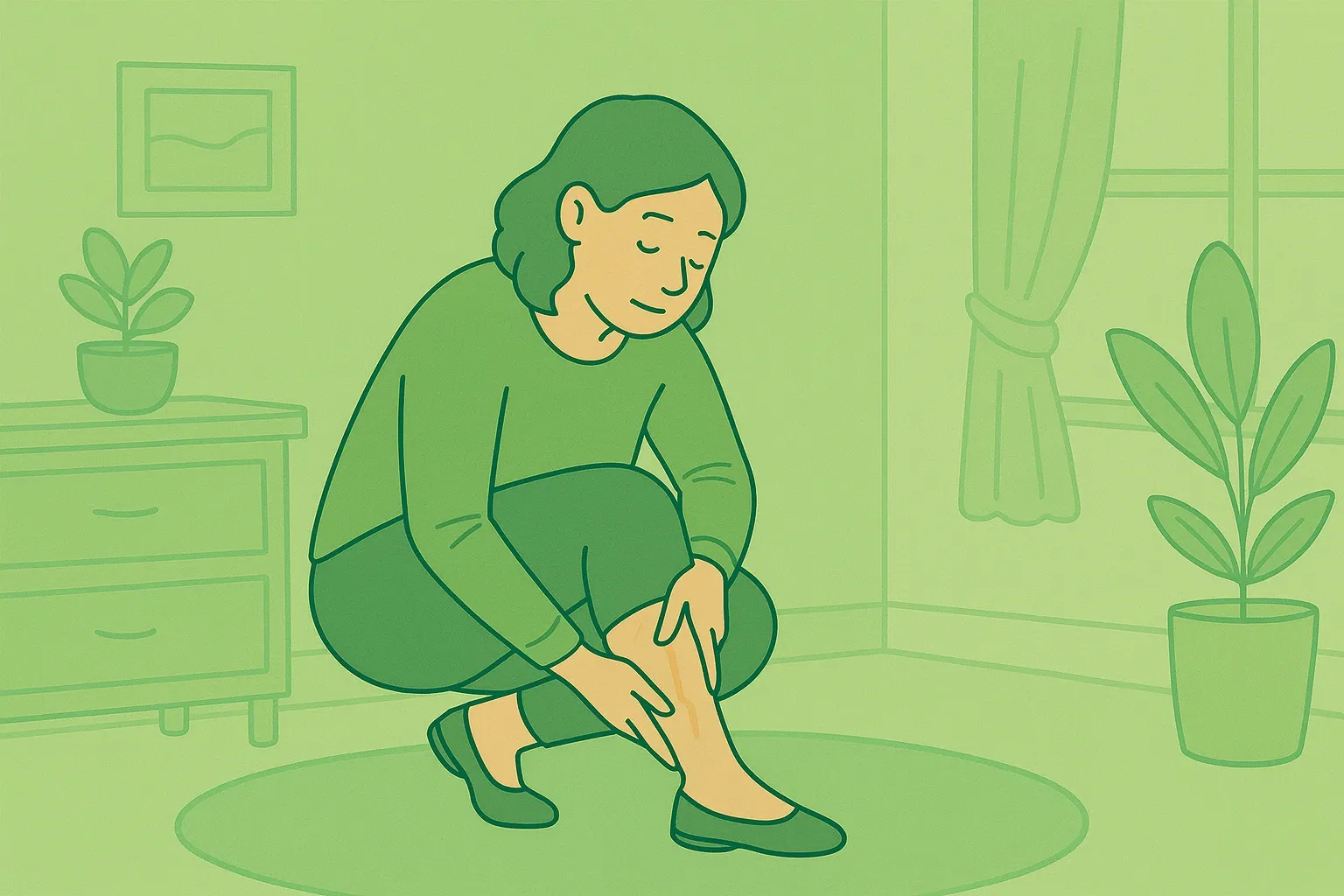
Among various troubles that women experience, the visibility of varicose veins is often the least concerning, but many don’t recognize the primary causes; namely, hormonal changes. Vein problems inhibit the efficiency of blood circulation, and are linked to various factors, including age, lifestyle, and genetics. However, the role of the hormones, especially the female ones, is the most important. The female sex goes through several important changes during her life (puberty, menstruation, pregnancy, and menopause) and within each of these phases, modified the circulation and the structure of the veins. For managing the problems of the blood vessels (particularly, varicose veins) and making informed decisions concerning health issues, the role of estrogen and its relation to the health of the veins is important to understand. Consequently, during the years, these problems have been emphasized in several documents and early evaluation and preventive programs have also been developed. The specialists in medicine and wellbeing, including those in the Vein Clinic in Livingston, have been in the forefront of these documents. They have developed various programs and documents to clarify the preventive interventions and the problems of blood vessels.
The Impact of Estrogen in the Vascular System
Estrogen, the main sex hormone in women, aids in the repair of the blood vessel walls (blood to blood vessel walls) by maintaining the toughness and pliability of blood vessel walls. Circulation to the blood vessel walls is maintained by smooth muscle tone and the metabolic activity of collagen (blood vessel wall) tissue. An even distribution of estrogen levels is correlated with a progressive recruitment of blood vessels to the plexus. An imbalance of estrogen levels, via a sudden increase or decrease, is correlated with an increase in the dysfunction of the venous valves (blood flow direction control) leading to the generation of varicose veins (causes a twisted and bulging appearance of the veins in your leg due to blood pooling. Also with an increase of blood flow down to your legs,). Estrogen also affects tissue (fluid) edema (retention of fluid in vessels), (venous) inflammation, and the overall muscle tone of venous (blood vessel walls) making estrogen a major factor in the creation of venous disorders in women.
Why Women Are More Likely to Develop Varicose Veins
In the general population, there are more incidences of varicose veins in females than in the male population, and the primary reason for this difference is due to changes in hormones. Although there are some lifestyle elements such as prolonged standing and minimal physical activity that can be contributors, during the reproductive years there are additional hormonal changes that impact stressors placed on the venous system. One of the more notable contributors is pregnancy, and this is due to abnormally high levels of estrogen and progesterone that are present during the pregnancy to help develop the fetus. This hormonal change causes the vessels in the body to relax and get larger, which can result in the valves in the veins becoming weak. In conjunction, the growing uterus exerts pressure on the major abdominal veins which makes it more difficult for blood to flow back to the heart. There are a lot of women who may notice their first varicose veins during pregnancy, and although there can be some relief of symptoms, many of the changes made to the vascular system remain if the valves become permanently damaged.
How Estrogen Fluctuations During Menopause Affect Vein Function
With pregnancy comes a spike in estrogen; however, when menopause occurs, estrogen levels plummet. Both of these extremes can negatively impact the health of your veins. As estrogen levels drop, the walls of the blood vessels lose some of their elasticity and strength. This makes the veins more prone to stretch, inflammation, and reduced efficiency of the valves in the veins. During the perimenopause transition, women frequently have more leg swelling, fatigue, and discomfort, which may be early signs of venous insufficiency. Lower levels of estrogen also contribute to a loss of collagen in the body, including the collagen in your veins. As collagen diminishes, the veins lose their structural integrity, making it difficult for veins to keep their shape and function properly. Therefore, menopause increases the risk for developing varicose veins and other complications, making regular assessments of the nervous system even more vital during this stage of life.
Hormonal Birth Control and Its Relationship to Vein Health
Hormonal drives, particularly those that include estrogen, also affect the venous system. Such contraceptive pills can bring about a slight increase in blood thickness, relaxation of vein walls and fluid retention, making women more likely to get varicose veins, more so if they have a family history of the condition and if they remain seated or standing for long periods of time. Although these alterations are not a cause of alarm, they indicate the changes that can occur in the venous system due to the influence of hormones. Women on hormonal birth control who are experiencing leg discomfort, swelling and/or other early symptoms of vein disease can often have these problems resolved by continuing with other birth control methods. Understanding how the circulation system is affected by synthetic hormones can assist women in making better decisions about their reproductive and vein health as an integral part of vein care.
The Impact of Estrogen on Inflammation and Venous Deficiency
One of the relatively unknown effects of estrogen imbalance includes inflammation of the veins. Fluctuations in estrogen can increase markers of inflammation which then affects the walls of veins and their surrounding tissues. Inflammation results in heightened pressure, swelling and pain in the legs, and over long periods of time, can deteriorate the valve mechanisms in veins which regulates blood flow. For some women, autoimmune conditions, inflammation and stress can become chronic, and the hormonal changes during these times can greatly contribute to the impacts on venous health. Identifying the inflammatory nature of venous insufficiency is very important because it can explain the worsening of some symptoms during particular hormonal phases, such as the premenstrual period, and that is why some women report changes and more discomfort in some of their legs due to the fluctuating hormones during the month.
Contemporary Technology Used to Diagnose Hormone-Related Issues
Today’s technological advancements allow specialists to pinpoint exactly how hormonal fluctuations affect vein function. Most hormonal assessments begin with a basic physical examination. In Livingston, vein clinics utilize duplex ultrasonography to monitor and analyze the movement of blood, especially in the valves of the veins. These clinics use this method to detect and analyze minor issues, even before vein dilation becomes noticeable. Knowing whether an individual’s symptoms are due to hormonal fluctuations helps the clinician tailor a treatment strategy to the individual. A woman may require a different strategy if she’s pregnant and has vein issues than if she’s undergoing menopausal changes. Timely interventions may help stave off venous insufficiency, and the accompanying skin changes, chronic swelling, and venous ulcers.
Solutions Which Consider Aesthetics and Health
Modern interventions for problem veins consider and address more than just the cosmetic issues of varicose veins. Minimally invasive procedures such as endovenous laser therapy, radiofrequency ablation, and sclerotherapy close or reroute the difficult veins, and symptoms are also alleviated, along with restoration of proper blood circulation. Patients can easily step back into their routine without the impact of time-consuming recovery. These interventions are popular among women with packed schedules. These procedures also incorporated a combination of structural and symptomatic problem management to provide a comprehensive solution to the problem and avoid other issues down the road. Supporting the success of the treatment and the continued management of symptom complaints that are common due to hormone fluctuations are even greater with lifestyle changes. These lifestyle changes include remaining active, keeping a good body weight, and resting the legs at a higher point.
The Importance of Monitoring Vein Health During Different Stages of a Woman’s Life
Women of all ages should monitor and protect their vein health since increasing hormonal levels at different stages of their lives impact vein health. New female patients entering puberty should be counselled on how their hormonal imbalances impact their circulatory health as well as their overall well being. Women experiencing pregnancy, age-related changes at reproductive health, including the use of hormonal contraceptives, and menopausal women also should be educated, as changes in their major reproductive hormones (estrogen & progesterone) as well as the use of other hormones (e.g. cortisol) can alter their circulatory health as well. Educating women about the relationship between their hormones and their vein health can help them to understand the steps they can take to improve not just their vein health, but their overall health and comfort. Women, especially those entering new phases in their lives, should be monitored to enable early problem identification. This can help support better outcomes at later stages in life, as well as overall health and comfort. One of the most important aspects of a woman’s health is vein health. This is provided and supported by clinics such as The Vein Clinic Livingston who offer diagnostic support and treatment for all stages of a woman’s life.
Conclusion
Women are vulnerable to issues with their blood vessels due to all the changes their blood vessels go through with their hormones. Their blood vessels undergo a lot with the changes and fluctuation of hormones with their blood vessels and hormone levels during menstruation, pregnancy, and menopause. With the development of modern technologies, women are more capable of managing their symptoms due to the less invasive, modern clinics, such as the Vein Clinic in Livingston, where women can manage symptoms, manage their vascular health and take control of their wellness. Making modern-day changes can help women obtain more vascular health, more comfort, and more well-being.