How Hormones Influence Skin Sensitivity and Skin Cancer Risk in Women
<p>Hormonal fluctuations can significantly affect the body, and one area that often goes unnoticed is the skin. Women, in particular, experience changes in skin sensitivity due to hormonal shifts…
- Published
- Written by
- Women In Balance Team
- Reading time
- 4 minutes
Hormonal fluctuations can significantly affect the body, and one area that often goes unnoticed is the skin. Women, in particular, experience changes in skin sensitivity due to hormonal shifts during menstruation, pregnancy, and menopause. These fluctuations can lead to dryness, irritation, and breakouts, making the skin more reactive and vulnerable to external stressors.
The problem is that hormonal imbalances can also increase the risk of skin cancer by compromising the skin’s ability to repair damage. In this article, we’ll explore how hormonal changes influence skin health and provide practical solutions to protect and maintain healthy, resilient skin.
Hormonal Fluctuations and Their Effect on Skin Sensitivity
Hormonal fluctuations are a natural part of a woman’s life and play a significant role in how the skin reacts to external factors. Let’s take a closer look at how these hormonal changes influence skin health throughout the cycle.
The Menstrual Cycle
During the menstrual cycle, estrogen and progesterone levels fluctuate, impacting skin health. Estrogen rises in the first half of the cycle, helping to maintain skin hydration and elasticity. However, after ovulation, progesterone levels increase, which can trigger changes in the skin.
The luteal phase, in particular, is when many women experience increased skin sensitivity, dryness, and breakouts. Higher progesterone levels can lead to more oil production, causing clogged pores and acne, while the drop in estrogen makes skin more prone to irritation.
Pregnancy
Pregnancy brings significant hormonal shifts, particularly an increase in estrogen and progesterone. These hormones often lead to a glowing complexion, as they boost collagen production, increase moisture retention, and improve skin elasticity.
However, the same hormonal changes can also make the skin more vulnerable to conditions like acne or melasma (dark patches), especially on the face. While some women experience clear, radiant skin, others may find their skin more sensitive and prone to pigmentation changes or breakouts.
Stress and Its Effect on Hormonal Skin Health
Stress has a significant impact on hormonal balance and skin health. When your body is under stress, it releases cortisol, a hormone that plays a vital role in managing the body’s fight-or-flight response.
However, prolonged or chronic stress can lead to elevated cortisol levels, which in turn disrupt other hormonal systems, including those of estrogen and progesterone. This hormonal imbalance can result in various skin issues.
- Increased Oil Production: Elevated cortisol levels can stimulate the sebaceous glands, causing an increase in oil production. This excess oil can clog pores and contribute to acne breakouts.
- Weakened Skin Barrier: Stress impairs the skin’s natural protective barrier, leaving it more vulnerable to external aggressors like pollution, UV rays, and harsh weather.
- Inflammation: Chronic stress can lead to heightened inflammation in the body, exacerbating conditions like eczema, rosacea, and psoriasis.
- Slow Healing: High cortisol levels can slow down the skin’s ability to heal from irritation or breakouts, making skin more prone to scarring.
Prolonged stress can also indirectly increase skin cancer risks and prevention challenges. Elevated cortisol levels may impair the skin’s ability to repair DNA damage caused by UV radiation, thus reducing the skin’s natural defense mechanisms. Over time, this can contribute to a higher risk of developing skin cancer.
Perimenopause and Menopause
As women enter perimenopause and eventually menopause, estrogen levels begin to decline, leading to noticeable changes in the skin. The reduced estrogen results in drier, thinner skin that loses its ability to retain moisture and elasticity.
This makes the skin more vulnerable to environmental factors, such as UV radiation, harsh skincare ingredients, and pollution. Women may experience increased skin sensitivity, irritation, and a heightened risk of developing fine lines and wrinkles.
How Hormonal Changes Influence Skin Cancer Risk
Elevated estrogen levels have been linked to an increased risk of certain skin cancers, particularly melanoma. Estrogen influences skin cell growth and repair, and while it can promote healthy regeneration, excess estrogen can lead to abnormal cell growth, increasing the risk of skin cancer.
During menopause, as estrogen levels decline, the skin becomes less efficient at repairing damage. This makes the skin more vulnerable to UV radiation and environmental stressors. The loss of estrogen also affects skin elasticity, leaving it more susceptible to damage over time.
Protecting Your Skin from Hormonal Sensitivity and Skin Cancer
You can reduce skin cancer risks and prevent it by following the right precautions. To protect hormonally sensitive skin, follow a gentle skincare routine with hydrating, non-comedogenic products to maintain moisture balance and avoid irritation.
Soothing ingredients like aloe vera or hyaluronic acid can nourish the skin without causing discomfort or breakouts. Avoid harsh exfoliants and strong chemicals, which can disrupt the skin’s delicate barrier.
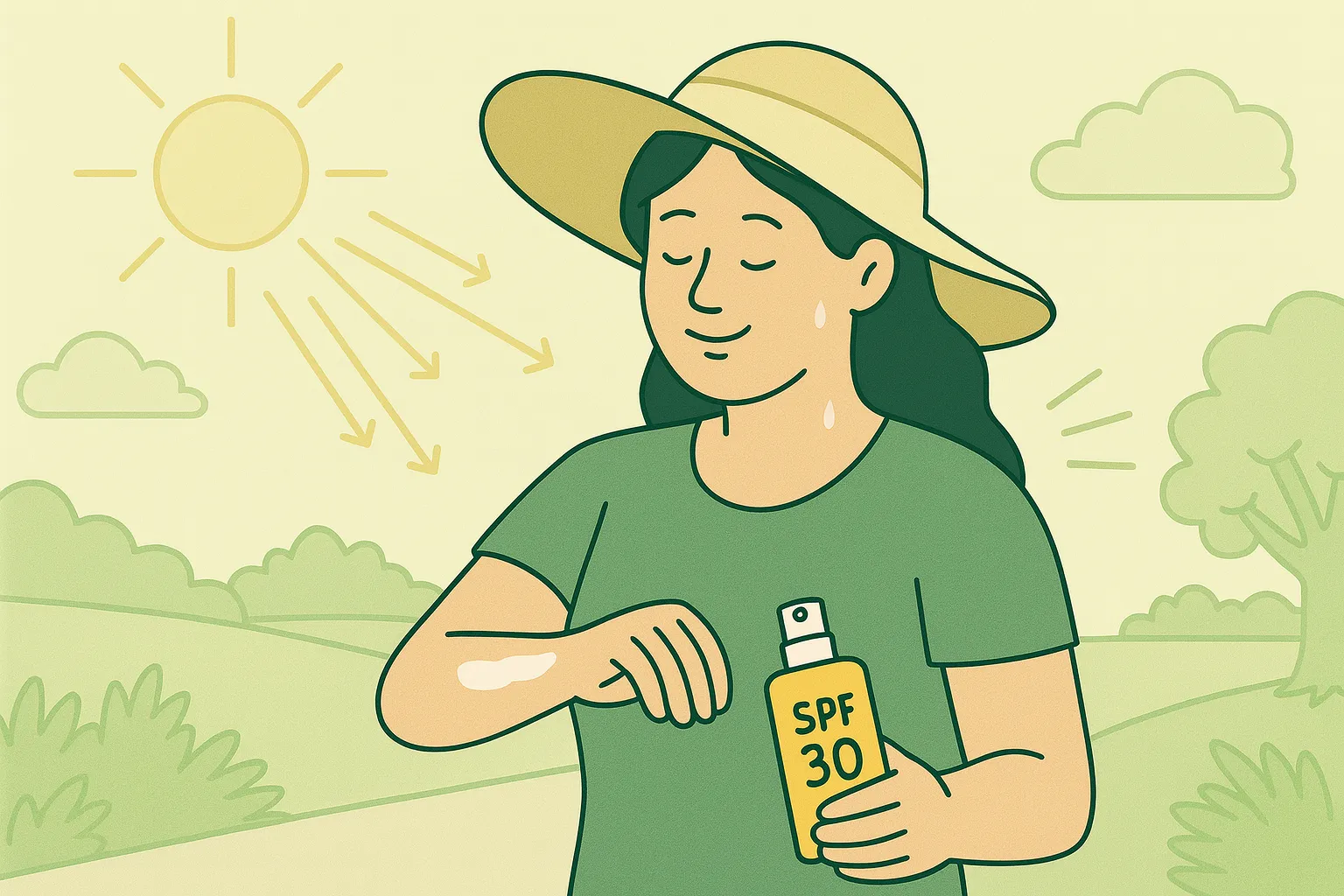
Using sunscreen is crucial for hormonally sensitive skin to prevent UV damage, which can increase the risk of skin cancer. Apply a broad-spectrum sunscreen with SPF 30 or higher daily. Protective clothing, like hats and long sleeves, helps shield the skin from harmful rays. Regular skin checks and professional consultations are essential for monitoring skin changes and early signs of skin cancer.
Endnote
Understanding how hormonal changes affect skin health helps you manage sensitivity and reduce potential risks like skin cancer. Hormonal fluctuations can impact your skin’s condition, so it’s essential to prioritize skincare and sun protection. If you notice any changes in your skin or have concerns about hormonal effects, seek professional advice to take the right steps in protecting your skin and health.