How Oral Health Influences Women’s Experiences During Menopause
<p>Menopause is a significant transition in a woman’s life, bringing various physical and emotional changes. Oral health often becomes an overlooked aspect during this period, yet it plays a crucial…
- Published
- Written by
- Women In Balance Team
- Reading time
- 4 minutes
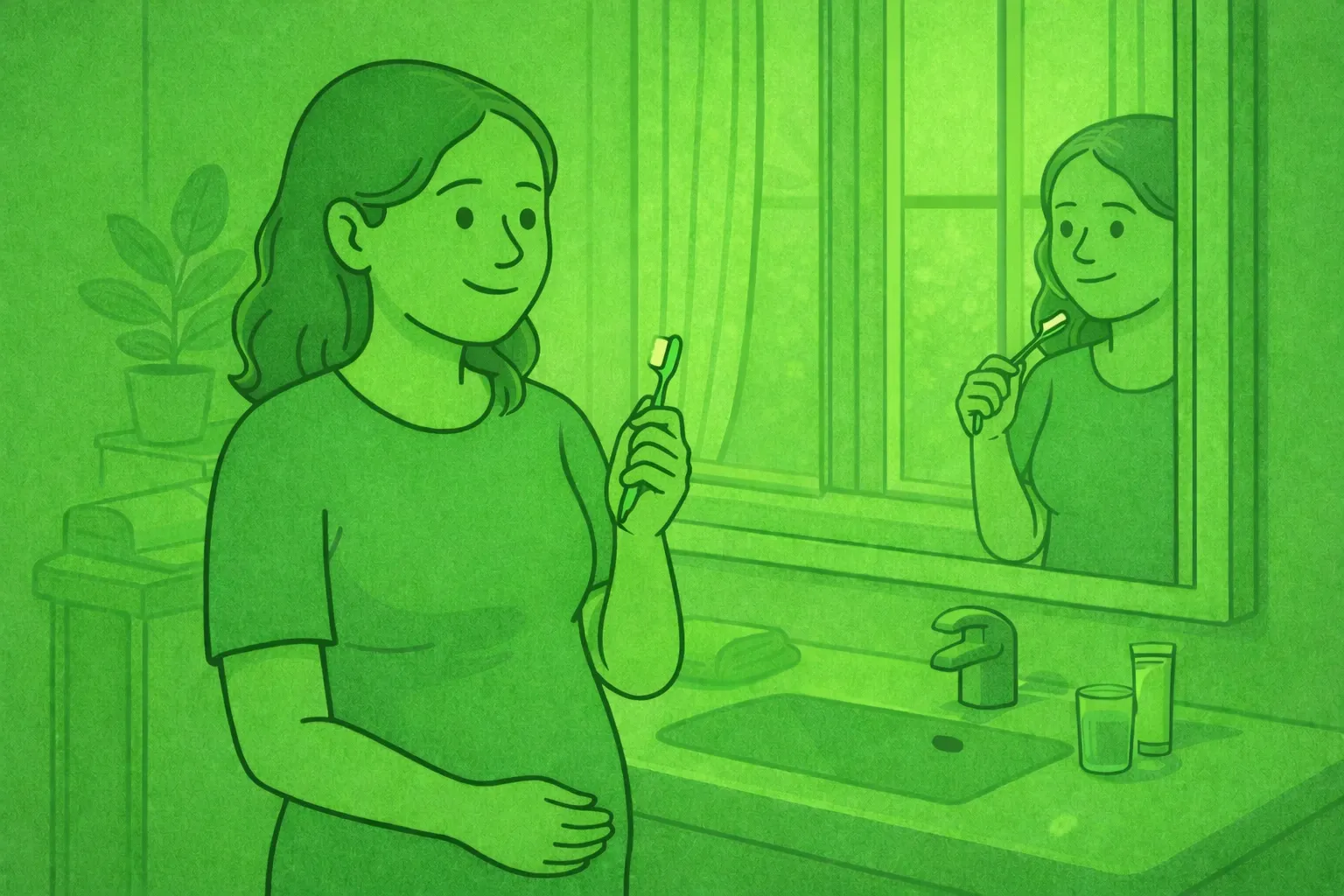
Menopause is a significant transition in a woman’s life, bringing various physical and emotional changes. Oral health often becomes an overlooked aspect during this period, yet it plays a crucial role in overall well-being. By focusing on maintaining a healthy smile, women can enhance their confidence and quality of life during menopause.
As you navigate through menopause, the physical and emotional symptoms can sometimes feel overwhelming. These changes include hot flashes, mood swings, and sleep disturbances. Amidst these challenges, it’s important not to neglect your oral health. Maintaining a healthy mouth can significantly impact your overall well-being during this transitional phase. Incorporating professional dental care into your oral care routine can provide tailored solutions to address specific needs arising from hormonal changes. Consulting a trusted orthodontist in Mattituck can be beneficial in managing oral health effectively during this time.
Understanding menopause’s impact on oral health
The hormonal fluctuations experienced during menopause can have a profound impact on oral health. As estrogen levels drop, women may notice changes such as increased gum sensitivity and the onset of dry mouth. These conditions can exacerbate existing oral health issues or lead to new concerns, making regular dental check-ups even more essential.
Gum sensitivity is particularly common, as reduced estrogen can affect blood supply to the gums, making them more prone to inflammation and bleeding. Moreover, dry mouth not only causes discomfort but also increases the risk of tooth decay and gum disease due to reduced saliva production. Saliva acts as a natural cleanser for your teeth and gums, so maintaining its flow is vital for preventing oral health issues.
To counteract these challenges, it’s beneficial to adopt a proactive approach to oral care during menopause. This includes using specialized toothpaste for sensitive gums and staying hydrated to mitigate dry mouth symptoms. Regular visits to your dentist can help manage these changes effectively.
Another significant concern during menopause is the increased risk of burning mouth syndrome, a condition characterized by a persistent burning sensation in the tongue, lips, or throughout the mouth. This uncomfortable condition is directly linked to hormonal changes and can significantly affect quality of life. Women experiencing this syndrome may find it difficult to eat certain foods or enjoy their favorite beverages. Additionally, the decrease in bone density associated with menopause can affect the jawbone, potentially leading to tooth loss if left unaddressed. Understanding these connections between hormonal changes and oral health complications empowers women to seek appropriate treatment early and maintain better overall dental wellness throughout this transitional period.
The benefits of maintaining a healthy smile
A healthy smile does more than just improve physical appearance; it boosts self-esteem and fosters a positive outlook. During menopause, when self-confidence might waver due to physical changes, maintaining oral health becomes even more crucial. A bright smile can enhance how you perceive yourself and how others perceive you.
The psychological benefits of good oral hygiene extend beyond aesthetics. Taking care of your teeth and gums contributes to an overall sense of well-being, providing a sense of control amidst the unpredictability of menopausal symptoms. This empowerment through self-care helps mitigate feelings of anxiety or depression that may accompany this life stage.
Moreover, smiling releases endorphins—natural mood boosters that reduce stress levels. By prioritizing your oral health, you are not only investing in your physical appearance but also nurturing mental wellness.
Effective oral health practices during menopause
Implementing effective oral hygiene practices can alleviate common menopausal symptoms such as gum sensitivity and dry mouth. Daily routines should include brushing twice with fluoride toothpaste, flossing regularly, and using an antibacterial mouthwash to reduce plaque buildup and prevent gum disease.
A balanced diet rich in calcium and vitamin D is essential for maintaining strong teeth and bones during menopause. These nutrients help counteract bone density loss caused by decreasing estrogen levels. Foods like dairy products, leafy greens, and fortified cereals are excellent sources to include in your meals.
Staying hydrated is another key factor in combating dry mouth. Drinking water frequently not only keeps your mouth moist but also aids in flushing away food particles and bacteria that could lead to tooth decay.
Supporting oral health with professional care
Professional dental care plays an integral role in managing oral health challenges during menopause. Misaligned teeth or bite issues can exacerbate problems like gum recession or uneven wear on teeth surfaces, which are already at risk due to hormonal changes.
A dental professional can provide personalized treatment plans that address these specific concerns by realigning teeth and improving bite function. Regular dental check-ups allow for early detection of potential issues before they escalate into more severe problems.
This personalized approach ensures that treatments align with individual needs while promoting long-term dental health benefits. Professional interventions not only enhance the aesthetic appeal but also contribute significantly to functional improvements necessary for maintaining a healthy smile throughout menopause.
Education is empowering; understanding how menopause affects every aspect of life encourages proactive management strategies tailored specifically toward individual needs—including oral health care strategies that consider both current conditions as well as preventive measures against future complications.